

-
PRODCUTS
-
APPLICATION
-
SERVICE
Why Composite Pipe Machines Are Revolutionizing Production Techniques
Oct 09,2024
Why Composite Pipe Machines Are Revolutionizing Production Techniques
Table of Contents
1. Introduction to Composite Pipe Manufacturing
2. Understanding Composite Pipe Machines
3. The Advantages of Using Composite Pipe Machines
3.1 Enhanced Durability and Resistance
3.2 Lightweight yet Strong Materials
3.3 Cost Efficiency and Production Scalability
4. Key Components of Composite Pipe Machines
4.1 The Role of Extruders in Production
4.2 Molding Techniques for Composite Pipes
5. Applications of Composite Pipe Machines in Various Industries
5.1 Oil and Gas Sector
5.2 Water and Wastewater Management
5.3 Construction and Infrastructure Development
6. The Future of Composite Pipe Technology
7. FAQs About Composite Pipe Machines
8. Conclusion
1. Introduction to Composite Pipe Manufacturing
In recent years, the manufacturing of **composite pipes** has transformed dramatically, driven by technological advancements and the push for more sustainable materials. Traditional pipe options often fall short in terms of performance, leading manufacturers to seek alternatives that offer **enhanced durability**, resistance to corrosion, and a lower weight. **Composite pipe machines** have emerged as pivotal players in this evolution, reshaping production techniques across multiple industries.
2. Understanding Composite Pipe Machines
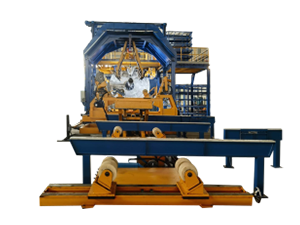
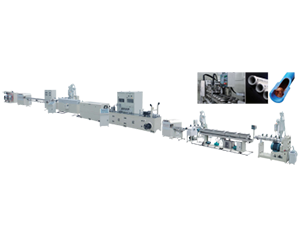
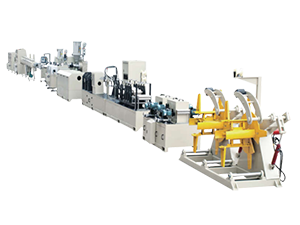
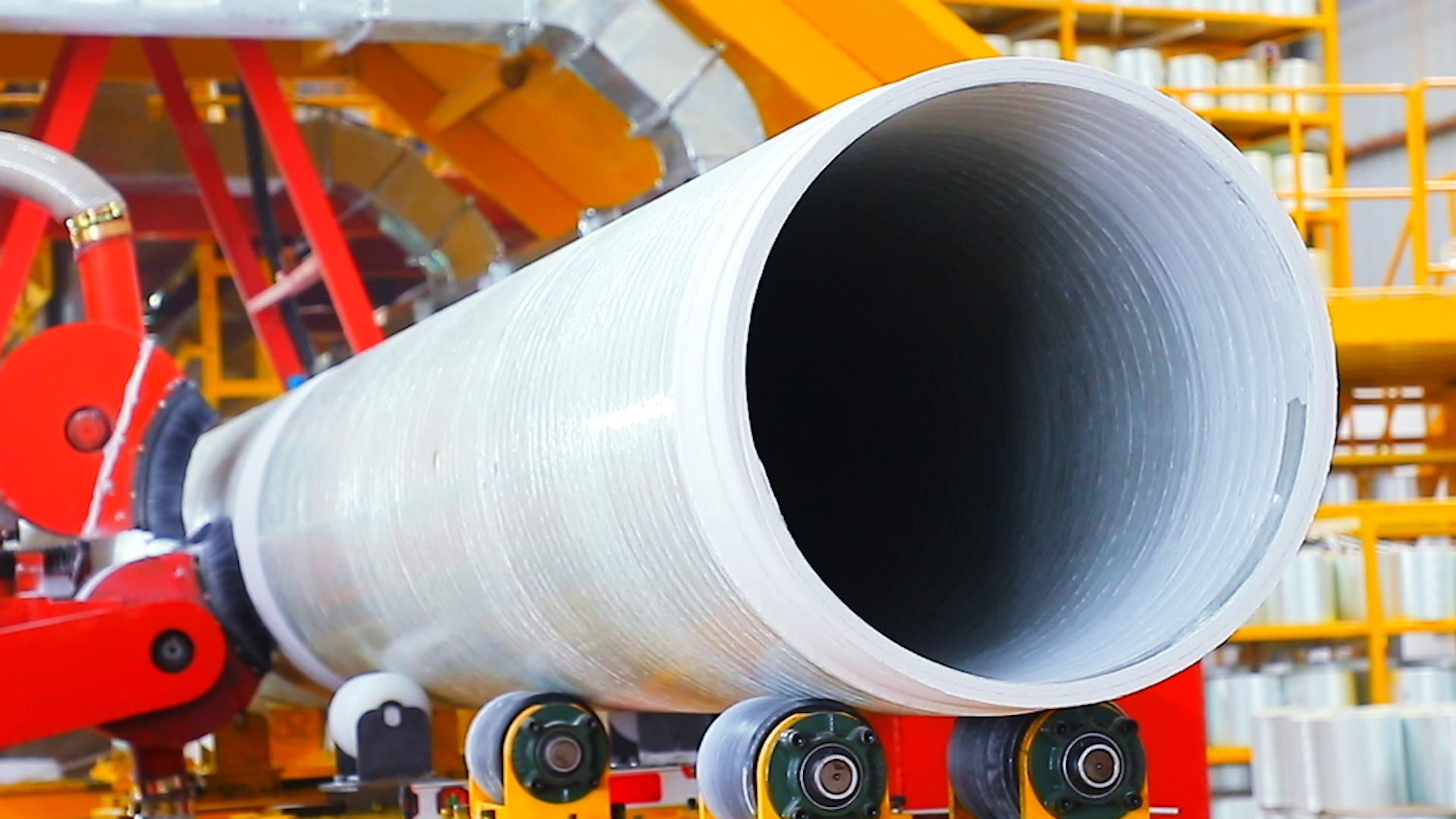
Composite pipe machines are specialized pieces of equipment designed to fabricate pipes made from composite materials, which typically consist of a matrix (like resin) reinforced with fibers (such as glass or carbon). These machines employ various technologies, including extrusion and molding, to create pipes that meet specific performance requirements. The precision and efficiency of these machines are crucial for meeting the increasing demands of today’s market.
3. The Advantages of Using Composite Pipe Machines
Investing in composite pipe machines yields numerous benefits that enhance production capabilities and product quality.
3.1 Enhanced Durability and Resistance
Composite pipes are known for their exceptional resistance to **chemical corrosion**, making them ideal for applications in harsh environments. The use of composite pipe machines allows manufacturers to produce pipes with tailored properties that can withstand extreme conditions, ensuring longevity and reduced maintenance costs.
3.2 Lightweight yet Strong Materials
One of the standout features of composite materials is their lightweight nature. Composite pipe machines enable the production of pipes that are significantly lighter than their metal counterparts, making them easier to handle and install. This characteristic is particularly advantageous in sectors where weight reduction is critical, such as aerospace and automotive manufacturing.
3.3 Cost Efficiency and Production Scalability
The efficiency of composite pipe machines translates to lower production costs. By optimizing the manufacturing process, these machines can increase output while minimizing waste. Consequently, manufacturers can scale their production to meet rising demand without sacrificing quality or incurring prohibitive costs.
4. Key Components of Composite Pipe Machines
Composite pipe machines consist of several key components that work in unison to create high-quality pipes.
4.1 The Role of Extruders in Production
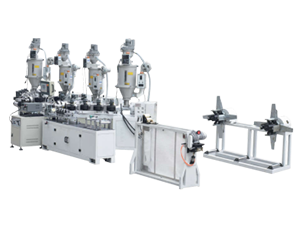
Extruders are central to the operation of composite pipe machines. They facilitate the mixing of resin and reinforcing fibers, subsequently forcing this composite mixture through a die to form pipes. The precision of the extrusion process is critical, as it directly impacts the uniformity and strength of the final product.
4.2 Molding Techniques for Composite Pipes
In addition to extrusion, molding techniques play an essential role in the production of composite pipes. Methods such as **compression molding** and **pultrusion** offer unique advantages, allowing manufacturers to create complex shapes and sizes to meet specific application requirements.
5. Applications of Composite Pipe Machines in Various Industries
Composite pipe machines serve a broad spectrum of industries, each benefiting from the unique properties of composite materials.
5.1 Oil and Gas Sector
In the oil and gas industry, composite pipes are increasingly used for their resistance to harsh chemicals and environmental conditions. **Composite pipe machines** help produce pipes that can endure extreme pressure and temperature variations, making them suitable for offshore and onshore applications alike.
5.2 Water and Wastewater Management
Water management systems are adopting composite pipes due to their corrosion resistance and low weight. Composite pipe machines provide a reliable solution for creating pipes that ensure safe and efficient transportation of water and wastewater, reducing the risk of leaks and breaks.
5.3 Construction and Infrastructure Development
The construction industry benefits from the lightweight and high-strength characteristics of composite pipes. Composite pipe machines enable the production of pipes that are not only durable but also easy to install, contributing to faster project timelines and reduced labor costs.
6. The Future of Composite Pipe Technology
As industries continue to evolve, the demand for innovative production techniques will only grow. The future of composite pipe machines looks promising, with advancements in automation and smart manufacturing technologies poised to enhance efficiency and precision. Research into new composite materials and processes will likely drive further innovations, making it essential for manufacturers to stay abreast of technological developments.
7. FAQs About Composite Pipe Machines
Q1: What are composite pipes made of?
A1: Composite pipes are typically made from a combination of a resin matrix and reinforcing fibers, such as glass or carbon, which provide enhanced strength and durability.
Q2: How do composite pipe machines improve production efficiency?
A2: Composite pipe machines streamline the manufacturing process, reducing waste and increasing output while maintaining high product quality.
Q3: What industries utilize composite pipe technology?
A3: Industries such as oil and gas, water management, construction, and aerospace widely use composite pipe technology due to its numerous advantages.
Q4: Are composite pipes environmentally friendly?
A4: Composite pipes can be environmentally friendly, often offering longer lifespans and reduced maintenance, which contributes to lower environmental impact over time.
Q5: What future trends are expected in composite pipe manufacturing?
A5: Future trends may include increased automation, the development of new composite materials, and enhanced smart manufacturing techniques that improve efficiency and sustainability.
8. Conclusion
Composite pipe machines are undeniably revolutionizing production techniques across various industries. Their ability to produce durable, lightweight pipes with enhanced properties positions them at the forefront of manufacturing innovation. As we look to the future, it is clear that the advancement of composite pipe technology will continue to shape the landscape of production, driving efficiency, reducing costs, and meeting the ever-evolving demands of global markets. Embracing these technologies not only benefits manufacturers but also paves the way for more sustainable and resilient infrastructure solutions.
Contact Us
E-mail:
Phone/Wechat/WhatsApp
Address:
A2-1408, Kaichuang Avenue to Tai Plaza, Huangpu District, Guangzhou City, Guangdong Province
Related Posts


No. 20, Jiangjiang Avenue, Huadu District, Guangzhou City, Guangdong Province, China
sales@huacmachine.com


Huachuang Intelligent Technology