

-
PRODCUTS
-
APPLICATION
-
SERVICE
Unlocking the Potential of GRP Plants in Advanced Manufacturing
Oct 20,2024
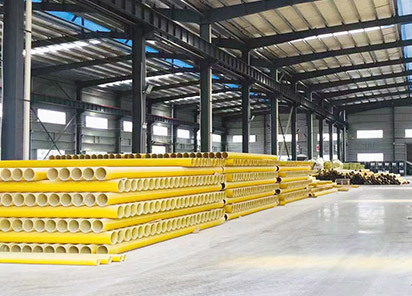
The utilization of Glass Reinforced Plastic (GRP) plants has become increasingly significant in the realm of advanced manufacturing, particularly in sectors that require lightweight, durable, and corrosion-resistant materials. GRP, a composite material made of a polymer matrix reinforced with glass fibers, offers a multitude of advantages that can enhance manufacturing processes and product quality.
One of the primary benefits of employing GRP plants is the substantial reduction in weight compared to traditional materials such as metals. This characteristic is especially crucial in industries where weight plays a pivotal role, such as automotive, aerospace, and marine applications. The lightweight nature of GRP not only improves fuel efficiency in vehicles but also enhances the overall performance of products by allowing for more efficient designs.
Moreover, GRP is known for its exceptional resistance to corrosion and chemicals, making it an ideal choice for applications exposed to harsh environments. By utilizing GRP plants, manufacturers can produce components that maintain their integrity over extended periods, reducing the need for frequent maintenance and replacements. This can lead to significant cost savings and improved operational efficiency in the long run.
The versatility of GRP materials also allows for a wide range of applications, from structural components to aesthetic finishes. This adaptability makes them suitable for various industries such as construction, water treatment plants, and even electrical infrastructure. As manufacturers continue to seek innovative solutions that meet modern-day challenges, the role of GRP plants will only expand, providing opportunities for new product development and improved manufacturing techniques.
However, to fully harness the potential of GRP plants, manufacturers must consider several key factors. The design and engineering phase is critical, as it influences the performance and durability of the final product. Proper training and skill development for employees are also essential to ensure effective operation of the GRP manufacturing processes. Furthermore, investing in advanced machinery and technology can enhance production efficiency and product quality, making GRP plants a more viable option for manufacturers.
In conclusion, the integration of GRP plants into the manufacturing process not only optimizes material performance but also aligns with industry trends focusing on sustainability and efficiency. As manufacturing professionals look to adapt and innovate, understanding the benefits and applications of GRP will be instrumental in driving future advancements in the sector. By embracing these cutting-edge materials, businesses can position themselves for success in an increasingly competitive market.
One of the primary benefits of employing GRP plants is the substantial reduction in weight compared to traditional materials such as metals. This characteristic is especially crucial in industries where weight plays a pivotal role, such as automotive, aerospace, and marine applications. The lightweight nature of GRP not only improves fuel efficiency in vehicles but also enhances the overall performance of products by allowing for more efficient designs.
Moreover, GRP is known for its exceptional resistance to corrosion and chemicals, making it an ideal choice for applications exposed to harsh environments. By utilizing GRP plants, manufacturers can produce components that maintain their integrity over extended periods, reducing the need for frequent maintenance and replacements. This can lead to significant cost savings and improved operational efficiency in the long run.
The versatility of GRP materials also allows for a wide range of applications, from structural components to aesthetic finishes. This adaptability makes them suitable for various industries such as construction, water treatment plants, and even electrical infrastructure. As manufacturers continue to seek innovative solutions that meet modern-day challenges, the role of GRP plants will only expand, providing opportunities for new product development and improved manufacturing techniques.
However, to fully harness the potential of GRP plants, manufacturers must consider several key factors. The design and engineering phase is critical, as it influences the performance and durability of the final product. Proper training and skill development for employees are also essential to ensure effective operation of the GRP manufacturing processes. Furthermore, investing in advanced machinery and technology can enhance production efficiency and product quality, making GRP plants a more viable option for manufacturers.
In conclusion, the integration of GRP plants into the manufacturing process not only optimizes material performance but also aligns with industry trends focusing on sustainability and efficiency. As manufacturing professionals look to adapt and innovate, understanding the benefits and applications of GRP will be instrumental in driving future advancements in the sector. By embracing these cutting-edge materials, businesses can position themselves for success in an increasingly competitive market.
Contact Us
E-mail:
Phone/Wechat/WhatsApp
Address:
A2-1408, Kaichuang Avenue to Tai Plaza, Huangpu District, Guangzhou City, Guangdong Province
Related Posts


No. 20, Jiangjiang Avenue, Huadu District, Guangzhou City, Guangdong Province, China
sales@huacmachine.com


Huachuang Intelligent Technology