

-
PRODCUTS
-
APPLICATION
-
SERVICE
How Continuous Fiberglass Winding Machines Revolutionize Manufacturing Efficiency
Sep 27,2024
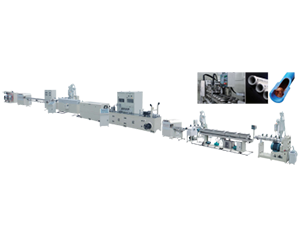
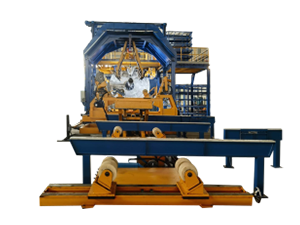
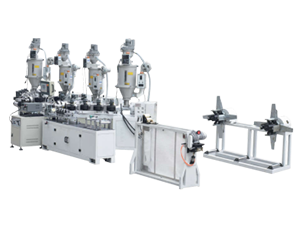
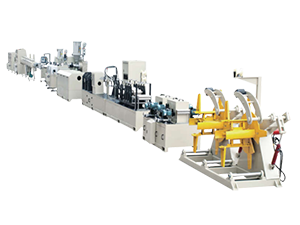
Continuous fiberglass winding machines represent a significant advancement in manufacturing technology. They are specifically designed to create composite materials through the winding of fiberglass onto a predetermined core. This process allows for the production of high-strength, lightweight components that are essential in various industries, including aerospace, automotive, and consumer electronics. With a focus on efficiency, these machines optimize production processes, reduce labor costs, and improve overall product quality.
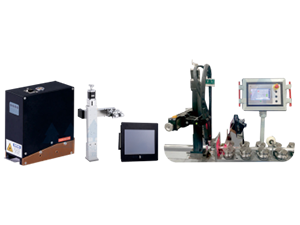
The technology of continuous fiberglass winding involves several key components: the resin system, the winding machine, and the control software. The resin system is responsible for binding the fiberglass strands together, providing strength and durability. Advanced winding machines utilize precise control systems to manage the fiber placement, tension, and speed of production. Additionally, sophisticated software allows for real-time monitoring and adjustments, ensuring that the winding process is both efficient and consistent.
One of the primary benefits is increased production speed. These machines can operate continuously, significantly reducing cycle times compared to traditional manufacturing methods. Faster production means manufacturers can meet growing market demands and improve turnaround times for clients.
Cost efficiency is another crucial advantage. By automating the winding process, labor costs decrease while minimizing human error. Furthermore, continuous winding minimizes material waste through precise fiber placement, contributing to more sustainable manufacturing practices.
Product quality is paramount in manufacturing. Continuous fiberglass winding machines deliver superior consistency in fiber distribution and resin application, resulting in high-quality end products. This consistency reduces defects and enhances the overall durability of components, which is essential for industries where reliability is critical.
These machines are incredibly versatile, capable of producing a wide variety of products ranging from simple shapes to complex geometries. This adaptability allows manufacturers to diversify their product offerings without investing in multiple types of machinery.
In the aerospace and automotive sectors, the demand for lightweight, strong materials is ever-increasing. Continuous fiberglass winding machines produce components like fuselage sections and automotive parts that enhance performance and fuel efficiency.
The electrical industry also capitalizes on fiberglass winding for manufacturing components such as transformers and inductors. These parts require precise specifications and consistent quality, which is easily achieved through advanced winding techniques.
Fiberglass winding is extensively used in the production of pipes and tanks that require long-lasting strength and corrosion resistance. The ability to create custom sizes and shapes with continuous winding technology meets the diverse needs of industrial applications.
The future of continuous fiberglass winding technology looks promising, with advancements focusing on sustainability and automation. Manufacturers are exploring eco-friendly resin systems and processes that further reduce waste. Additionally, integrating artificial intelligence and machine learning into winding machines will enhance operational efficiency, predictive maintenance, and production planning.
Continuous fiberglass winding machines are redefining the manufacturing landscape by offering unprecedented efficiency, versatility, and quality. As industries continue to evolve, these machines will play a critical role in meeting the demands for high-performance, lightweight materials. By embracing this technology, manufacturers can not only enhance their operational capabilities but also contribute to a more sustainable future in production processes. Investing in continuous fiberglass winding systems positions businesses for success in a competitive market, ensuring they remain at the forefront of innovation and efficiency.
Contact Us
E-mail:
Phone/Wechat/WhatsApp
Address:
A2-1408, Kaichuang Avenue to Tai Plaza, Huangpu District, Guangzhou City, Guangdong Province
Related Posts


No. 20, Jiangjiang Avenue, Huadu District, Guangzhou City, Guangdong Province, China
sales@huacmachine.com


Huachuang Intelligent Technology