

-
PRODCUTS
-
APPLICATION
-
SERVICE
Maximizing Efficiency: Proven Strategies for Optimizing Your Filament Winding Process
Oct 07,2025
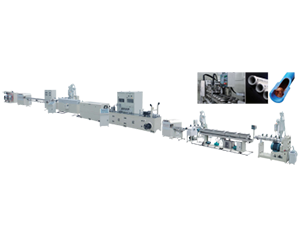
Maximizing Efficiency: Proven Strategies for Optimizing Your Filament Winding Process
Filament winding is a crucial manufacturing process used to create composite materials, widely applied in industries such as aerospace, automotive, and construction. As competition intensifies and market demands evolve, optimizing the filament winding process becomes essential. This article delves into effective strategies, tools, and techniques that can significantly enhance operational efficiency.
Table of Contents
- Understanding the Filament Winding Process
- Key Factors Affecting Efficiency in Filament Winding
- Choosing the Right Equipment and Maintenance Practices
- Material Selection and Preparation for Optimal Results
- Leveraging Automation and Control Systems
- Implementing Quality Assurance Standards
- The Importance of Training and Skills Development
- Case Studies: Success Stories in Filament Winding Optimization
- Frequently Asked Questions
Understanding the Filament Winding Process
Filament winding is a method where continuous filaments are wound over a rotating mandrel. The technique enables the creation of lightweight, high-strength composite structures. Each winding layer contributes to the final product's mechanical properties, making the precision of this process vital. Understanding the fundamentals of filament winding is the first step towards optimizing efficiency.
The Basic Workflow of Filament Winding
A typical filament winding process consists of the following steps:
1. **Mandrel Preparation**: The mandrel, which serves as the core of the component, must be properly prepared to ensure a smooth winding process.
2. **Resin Application**: The filaments are soaked in resin before they are wound onto the mandrel.
3. **Winding Process**: Using a winding machine, filaments are strategically placed to create the desired structural characteristics.
4. **Curing**: Once winding is complete, the component is cured to solidify the resin and ensure the integrity of the structure.
5. **Finishing**: The final steps may include trimming, sanding, and inspecting the wound component.
Key Factors Affecting Efficiency in Filament Winding
Several factors influence the efficiency of the filament winding process. Understanding these elements can help manufacturers identify areas for improvement.
1. Machine Capability
The capabilities of winding machines, including speed, accuracy, and flexibility, play a critical role in determining overall efficiency. Machines equipped with advanced features can handle complex geometries and larger production volumes.
2. Operator Skill Level
The expertise of the operators significantly impacts the winding process's efficiency. Skilled operators can troubleshoot issues quickly and optimize the process for better outcomes.
3. Material Quality
The quality of the raw materials, including the type of filaments and resins used, affects both the winding process and the final product's strength and performance. High-quality materials reduce waste and enhance efficiency.
4. Environmental Conditions
Temperature, humidity, and other environmental factors can influence curing times and material properties. Maintaining optimal conditions can lead to better winding efficiency.
Choosing the Right Equipment and Maintenance Practices
Choosing the appropriate equipment is paramount in maximizing efficiency. Additionally, regular maintenance practices ensure that machines operate at peak performance.
Selecting the Appropriate Winding Machine
When selecting a filament winding machine, consider the following:
- **Production Volume**: Choose a machine capable of handling your production demands.
- **Winding Patterns**: Ensure the machine can accommodate the required winding patterns for your applications.
- **Technology Integration**: Look for machines that integrate with software for design and process control.
Maintenance Best Practices
Regular maintenance is vital for longevity and efficiency. Implement a maintenance schedule that includes:
- **Routine Inspections**: Regular checks for wear and tear on components.
- **Calibration**: Ensuring all equipment is calibrated correctly for accuracy.
- **Cleaning**: Keeping machines clean to prevent material build-up that can affect performance.
Material Selection and Preparation for Optimal Results
Selecting the right materials and preparing them adequately can yield significant improvements in the winding process.
Choosing the Right Filaments
Different applications require different types of filaments—glass, carbon, or aramid. The choice of filament should depend on factors like weight, strength, and cost.
Resin Selection and Preparation
The choice of resin affects curing times and final product properties. It’s essential to select a resin that matches the application needs and prepare it properly for optimal results.
Pre-Winding Treatment
Properly preparing the mandrel with the correct surface treatment can enhance adhesion and improve the overall quality of the winding.
Leveraging Automation and Control Systems
Incorporating automation into the filament winding process can lead to improvements in efficiency and consistency.
Benefits of Automation
- **Increased Speed**: Automation can significantly speed up the winding process.
- **Reduced Human Error**: Automated systems minimize the risk of errors associated with manual winding.
- **Data Collection**: Automated systems can collect data for analysis, enabling continuous improvement.
Implementing Control Systems
Using advanced control systems ensures that parameters such as tension, speed, and resin application are monitored and adjusted in real time, leading to consistent quality.
Implementing Quality Assurance Standards
Quality assurance is essential to ensure that the final products meet the required specifications and standards.
Establishing Quality Control Processes
Implement a structured quality control process that includes:
- **Regular Testing**: Conduct tests to evaluate the mechanical properties of the final product.
- **Inspection Protocols**: Set up inspection checkpoints throughout the winding process to catch issues early.
Compliance with Industry Standards
Adhering to industry standards, such as ISO 9001, can help ensure that your operations meet quality and efficiency benchmarks.
The Importance of Training and Skills Development
Investing in training for employees is critical for optimizing the filament winding process.
Upskilling Operators
Regular training programs for operators can enhance their skill set, leading to improved efficiency and fewer errors. Topics for training should include:
- **Equipment Operation**: Understanding how to operate and troubleshoot machines.
- **Material Knowledge**: Familiarity with materials used in the winding process and their properties.
- **Safety Protocols**: Ensuring a safe working environment through proper safety training.
Creating a Culture of Continuous Improvement
Fostering a culture that values continuous improvement can lead to innovative solutions and enhanced efficiency over time.
Case Studies: Success Stories in Filament Winding Optimization
Examining success stories from other manufacturers can provide insights into effective strategies.
Case Study 1: Aerospace Component Manufacturer
An aerospace manufacturer implemented advanced automation in their filament winding process, resulting in a 30% increase in production efficiency and a 20% reduction in material waste.
Case Study 2: Automotive Parts Producer
By investing in employee training and adopting a new quality assurance protocol, an automotive parts producer achieved a significant reduction in defects, leading to lower costs and improved customer satisfaction.
Frequently Asked Questions
1. What is filament winding used for?
Filament winding is primarily used to create composite structures, such as pressure vessels and aerospace components, due to its ability to produce lightweight and strong materials.
2. How can I improve the quality of my filament winding process?
Improving quality can be achieved through proper material selection, regular maintenance of equipment, and implementing strict quality assurance measures.
3. What are the common materials used in filament winding?
Common materials include glass fibers, carbon fibers, and various resin systems tailored for specific applications.
4. How does automation impact filament winding efficiency?
Automation can increase speed, reduce errors, and provide data for continuous improvement, all contributing to higher efficiency in the winding process.
5. What training should operators receive for filament winding?
Operators should receive training on equipment operation, material properties, safety protocols, and troubleshooting techniques to enhance their efficiency and effectiveness.
Conclusion
Maximizing efficiency in the filament winding process involves a multifaceted approach that integrates technology, skilled labor, and stringent quality assurance practices. By focusing on key areas such as equipment selection, material preparation, and operator training, manufacturers can significantly enhance their operational efficiency and product quality. Embracing these strategies not only leads to improved productivity but also positions companies to compete effectively in an evolving market landscape.
Contact Us
E-mail:
Phone/Wechat/WhatsApp
Address:
A2-1408, Kaichuang Avenue to Tai Plaza, Huangpu District, Guangzhou City, Guangdong Province
Related Posts


No. 20, Jiangjiang Avenue, Huadu District, Guangzhou City, Guangdong Province, China
sales@huacmachine.com


Huachuang Intelligent Technology