

-
PRODCUTS
-
APPLICATION
-
SERVICE
Understanding FRP Pipe Machinery: Innovations in Manufacturing Processes
Nov 25,2025
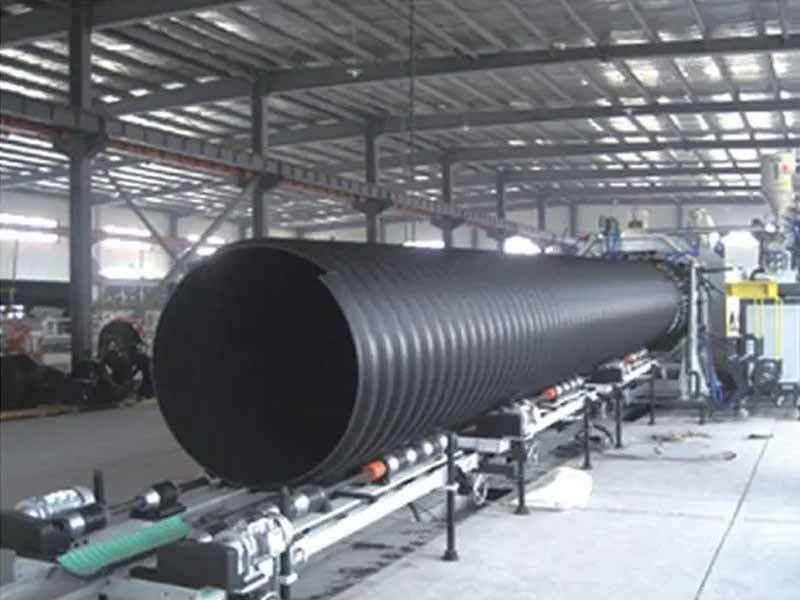
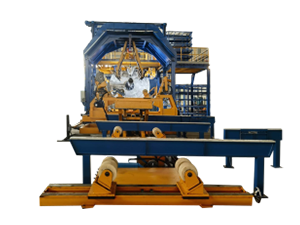
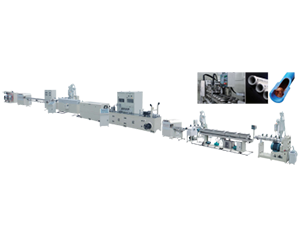
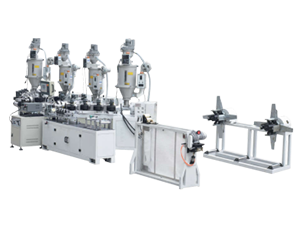
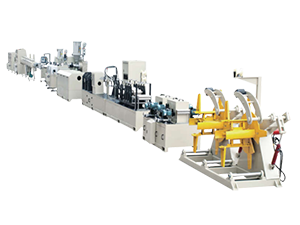
FRP (Fiber Reinforced Plastic) Pipe Machinery plays a crucial role in the manufacturing process of composite pipes widely used across various industries, including construction, water management, and chemical processing. These machines are specifically engineered to produce pipes that combine the durability of plastics with the reinforcement of fibers, leading to enhanced strength and lightweight characteristics.
One of the primary features of FRP Pipe Machinery is its capability to fabricate pipes through advanced techniques such as filament winding, pultrusion, and resin transfer molding. Filament winding involves the precise placement of continuous fibers around a rotating mandrel, allowing for the creation of highly durable and corrosion-resistant pipes. This method is particularly favored for producing high-performance pipes that require specific mechanical properties.
Pultrusion, on the other hand, is another effective technique utilized in the manufacturing of FRP pipes. This process involves drawing fibers through a resin bath and then into a heated die where they are cured. The result is a continuous length of pipe that exhibits uniform properties, making it ideal for various applications. Pultrusion is known for producing pipes with consistent cross-sections and can be tailored to meet specific industry requirements.
Resin transfer molding is also gaining traction in the production of FRP pipes. This method involves injecting resin into a mold containing dry fibers, which allows for a more controlled and efficient production process. The versatility of resin transfer molding has expanded the design possibilities for FRP pipes, enabling manufacturers to create complex geometries that cater to niche applications.
The benefits of using FRP Pipe Machinery are manifold. Firstly, the lightweight nature of FRP pipes makes them easy to transport and install, reducing labor costs and time. Additionally, the inherent resistance of FRP materials to chemicals and environmental factors ensures a longer lifespan compared to traditional metal or concrete pipes. These attributes not only foster sustainability but also enhance the overall efficiency of industrial processes.
Moreover, advancements in automation and control technologies have revolutionized FRP Pipe Machinery, allowing for greater precision and repeatability in production. Automated systems can monitor and adjust parameters in real-time, ensuring high-quality outputs while minimizing waste. This integration of smart technology is paving the way for more efficient manufacturing processes in the industry.
In conclusion, FRP Pipe Machinery represents a significant advancement in the manufacturing of composite materials. By understanding the various production techniques and their associated benefits, industries can make informed decisions that enhance operational efficiency and product performance. As technology continues to evolve, the potential for innovation in FRP pipe manufacturing remains vast, offering promising solutions for existing and emerging challenges in various sectors.
One of the primary features of FRP Pipe Machinery is its capability to fabricate pipes through advanced techniques such as filament winding, pultrusion, and resin transfer molding. Filament winding involves the precise placement of continuous fibers around a rotating mandrel, allowing for the creation of highly durable and corrosion-resistant pipes. This method is particularly favored for producing high-performance pipes that require specific mechanical properties.
Pultrusion, on the other hand, is another effective technique utilized in the manufacturing of FRP pipes. This process involves drawing fibers through a resin bath and then into a heated die where they are cured. The result is a continuous length of pipe that exhibits uniform properties, making it ideal for various applications. Pultrusion is known for producing pipes with consistent cross-sections and can be tailored to meet specific industry requirements.
Resin transfer molding is also gaining traction in the production of FRP pipes. This method involves injecting resin into a mold containing dry fibers, which allows for a more controlled and efficient production process. The versatility of resin transfer molding has expanded the design possibilities for FRP pipes, enabling manufacturers to create complex geometries that cater to niche applications.
The benefits of using FRP Pipe Machinery are manifold. Firstly, the lightweight nature of FRP pipes makes them easy to transport and install, reducing labor costs and time. Additionally, the inherent resistance of FRP materials to chemicals and environmental factors ensures a longer lifespan compared to traditional metal or concrete pipes. These attributes not only foster sustainability but also enhance the overall efficiency of industrial processes.
Moreover, advancements in automation and control technologies have revolutionized FRP Pipe Machinery, allowing for greater precision and repeatability in production. Automated systems can monitor and adjust parameters in real-time, ensuring high-quality outputs while minimizing waste. This integration of smart technology is paving the way for more efficient manufacturing processes in the industry.
In conclusion, FRP Pipe Machinery represents a significant advancement in the manufacturing of composite materials. By understanding the various production techniques and their associated benefits, industries can make informed decisions that enhance operational efficiency and product performance. As technology continues to evolve, the potential for innovation in FRP pipe manufacturing remains vast, offering promising solutions for existing and emerging challenges in various sectors.
PREVIOUS:
Contact Us
E-mail:
Phone/Wechat/WhatsApp
Address:
A2-1408, Kaichuang Avenue to Tai Plaza, Huangpu District, Guangzhou City, Guangdong Province
Related Posts


No. 20, Jiangjiang Avenue, Huadu District, Guangzhou City, Guangdong Province, China
sales@huacmachine.com


Huachuang Intelligent Technology