

-
PRODCUTS
-
APPLICATION
-
SERVICE
The Future of Composite Manufacturing: Continuous Fiberglass Winding Explained
Nov 08,2024
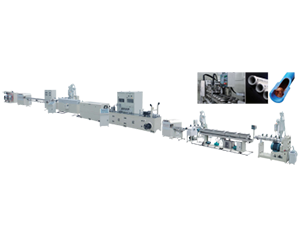
The landscape of manufacturing is rapidly evolving, driven by the demand for high-performance materials that are lightweight yet incredibly strong. Composite manufacturing stands at the forefront of this evolution, offering innovative solutions across various industries. Among the most prominent methods within this field is continuous fiberglass winding, a process that has garnered attention for its efficiency and versatility.
This article will delve into the dynamics of continuous fiberglass winding, from its definition and advantageous properties to its applications and future implications for the manufacturing sector.
2. What is Continuous Fiberglass Winding?
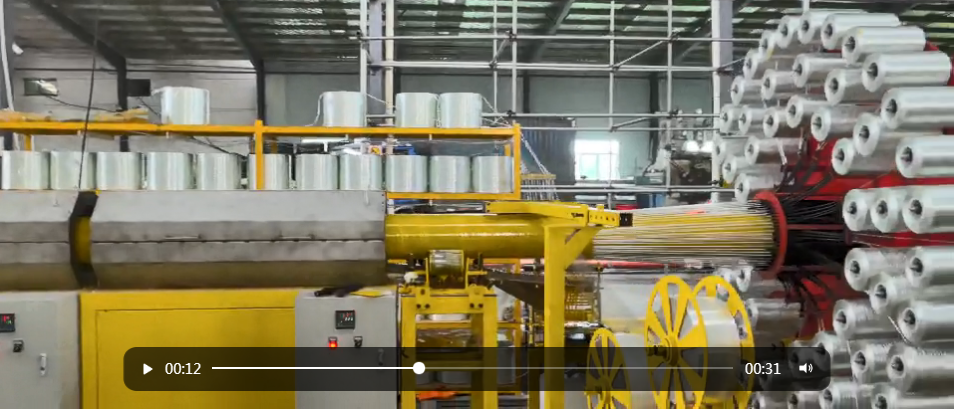
Continuous fiberglass winding is a specialized technique used to create composite materials by wrapping fiberglass around a rotating mandrel. This method involves the continuous feeding of fiberglass strands, often soaked in resin, which are then wound in a predetermined pattern around the mandrel to form a strong, lightweight structure.
This process is not only efficient, but it also enables the creation of complex geometries that are difficult to achieve through traditional manufacturing methods. Continuous fiberglass winding can be tailored to meet specific performance requirements, making it an attractive option for various industries.
Understanding the Winding Process
The winding process typically involves several key steps:
1. Preparation of the Mandrel: The desired shape is created using a rotating mandrel, which can be made from various materials like metal or plastic.
2. Fiberglass and Resin Setup: Fiberglass strands are coated in resin, which is vital for bonding and ensuring the material's structural integrity.
3. Winding: The fiberglass is then wound around the mandrel in a continuous motion. Different winding patterns (e.g., helical, hoop) can enhance the strength and stiffness of the final product.
4. Curing: Once the winding is complete, the composite material undergoes a curing process, which solidifies the resin and binds the fiberglass strands together.
5. Finishing: After curing, the mandrel can be removed, and the final product may undergo additional finishing processes to meet specific requirements.
3. Benefits of Continuous Fiberglass Winding
The continuous fiberglass winding technique offers multiple advantages that make it a go-to solution for many modern manufacturing needs.
Enhanced Strength-to-Weight Ratio
One of the most significant benefits of continuous fiberglass winding is its superior strength-to-weight ratio. The combination of fiberglass and resin results in materials that are not only lightweight but also incredibly strong, making them ideal for applications where weight reduction is critical, such as in aerospace and automotive industries.
Cost-Effectiveness
Continuous winding is a highly automated process, which reduces labor costs and minimizes waste. Additionally, the materials used are often less expensive than traditional metals, providing further cost savings without compromising quality.
Flexibility in Design
The ability to create complex shapes and geometries is a game changer in composite manufacturing. Continuous fiberglass winding allows for the production of intricate designs that can be customized according to specific project requirements.
Improved Durability
Composites produced through continuous fiberglass winding exhibit excellent resistance to environmental factors, including corrosion, extreme temperatures, and UV exposure. This durability extends the lifespan of products, leading to long-term savings for manufacturers and end-users alike.
4. Key Applications of Continuous Fiberglass Winding
Continuous fiberglass winding is utilized across diverse industries, reflecting its versatility and effectiveness.
Aerospace Industry
In aerospace, the need for lightweight and high-strength materials is paramount. Continuous fiberglass winding is employed to manufacture components such as fuel tanks, structural parts, and other critical elements that contribute to overall aircraft performance.
Automotive Sector
The automotive industry has embraced fiberglass winding to produce components like drive shafts, body panels, and other structural elements. These components help manufacturers meet stringent fuel efficiency standards while maintaining safety and performance.
Marine Applications
In marine manufacturing, continuous fiberglass winding is used to create strong and lightweight hulls for boats and other vessels. This technique not only enhances performance but also contributes to fuel efficiency and longevity in corrosive marine environments.
Energy Sector
Wind turbine blades are another significant application of continuous fiberglass winding, enabling the creation of large, efficient blades that can withstand harsh weather conditions and maximize energy production.
5. Technological Advancements in Fiberglass Winding
Recent advancements in technology have further optimized continuous fiberglass winding, enhancing its efficiency and capabilities.
Automation and Robotics
The integration of automation and robotics into the winding process has streamlined production, reducing manual labor and increasing precision. Automated systems can maintain consistent quality while minimizing human error.
Advanced Materials
Innovative formulations of resin and fiberglass are continuously being developed, leading to improved performance characteristics, including higher thermal stability, enhanced mechanical properties, and superior environmental resistance.
Real-Time Monitoring
Implementing sensors and real-time monitoring systems allows manufacturers to track the winding process closely, ensuring that any deviations from specifications are addressed immediately. This results in higher quality products and reduced waste.
6. Assessing the Environmental Impact of Fiberglass Winding
As industries increasingly focus on sustainability, understanding the environmental impact of manufacturing processes is crucial.
Material Sustainability
Fiberglass, when produced responsibly, can be a sustainable alternative to traditional materials. Research and development efforts are underway to create bio-based resins and recyclable composites that minimize environmental footprints.
Energy Efficiency
The efficiency of the continuous fiberglass winding process also contributes to its environmental benefits. By reducing waste and energy consumption, manufacturers can lower their overall environmental impact while still producing high-quality products.
7. The Future Trends in Composite Manufacturing
Looking ahead, continuous fiberglass winding is set to evolve further, influenced by several key trends.
Increased Customization
As demands for personalized solutions grow, manufacturers are expected to invest in technologies that enhance customization capabilities, enabling the production of tailored composite materials at scale.
Integration with Additive Manufacturing
The synergy between continuous fiberglass winding and additive manufacturing (3D printing) is an exciting development. By combining these technologies, manufacturers can create even more complex and optimized structures, pushing the boundaries of what is possible in composite engineering.
Focus on Circular Economy
The movement towards a circular economy will greatly influence future manufacturing practices. Continuous fiberglass winding will play a pivotal role in developing recyclable materials and waste reduction strategies, aligning with global sustainability goals.
8. Conclusion
Continuous fiberglass winding represents a significant advancement in composite manufacturing, combining efficiency, versatility, and sustainability. As industries continue to seek innovative solutions for their manufacturing challenges, this technique will undoubtedly play a crucial role in shaping the future of materials engineering.
By embracing continuous fiberglass winding, manufacturers can leverage its benefits across various applications, from aerospace to automotive and beyond, while contributing to a more sustainable future. The ongoing advancements in technology and materials will only enhance the potential of this remarkable manufacturing process.
9. FAQs about Continuous Fiberglass Winding
What materials are typically used in continuous fiberglass winding?
Continuous fiberglass winding primarily uses fiberglass strands and resins. The choice of resin can vary based on the required properties, including epoxy, polyester, and vinyl ester.
How does continuous fiberglass winding compare to other composite manufacturing methods?
Continuous fiberglass winding offers unique advantages in terms of speed, cost-effectiveness, and the ability to produce complex geometries, making it a preferred method for many applications compared to traditional methods like hand layup or compression molding.
What industries benefit the most from continuous fiberglass winding?
Industries such as aerospace, automotive, marine, and energy significantly benefit from continuous fiberglass winding due to its exceptional strength-to-weight ratio and flexibility in design.
Is the continuous fiberglass winding process environmentally friendly?
Continuous fiberglass winding can be environmentally friendly when sustainable materials are used, and efforts are made to minimize waste and energy consumption throughout the manufacturing process.
What future innovations can we expect in continuous fiberglass winding?
Future innovations may include enhanced automation, improved materials with better performance characteristics, and the integration of continuous fiberglass winding with additive manufacturing techniques, allowing for even greater design freedom and efficiency.
Contact Us
E-mail:
Phone/Wechat/WhatsApp
Address:
A2-1408, Kaichuang Avenue to Tai Plaza, Huangpu District, Guangzhou City, Guangdong Province
Related Posts


No. 20, Jiangjiang Avenue, Huadu District, Guangzhou City, Guangdong Province, China
sales@huacmachine.com


Huachuang Intelligent Technology