

-
PRODCUTS
-
APPLICATION
-
SERVICE
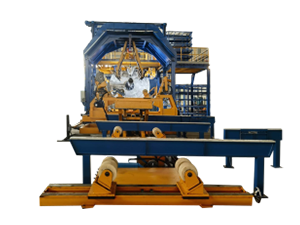
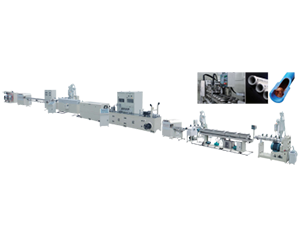
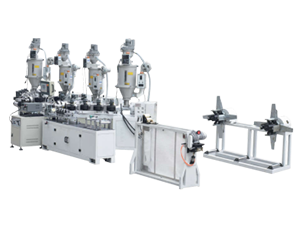
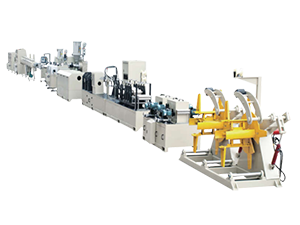
The Crucial Role of GRP Pipe Machines in Revolutionizing the Renewable Energy Sector
Nov 02,2024
The renewable energy sector is witnessing unprecedented growth, driven by the increasing demand for sustainable energy solutions. One of the pivotal components in this evolution is the Glass Reinforced Plastic (GRP) pipe machine. These machines are instrumental in the production of GRP pipes, which are lightweight, strong, and ideally suited for various renewable energy applications. In this article, we will explore the vital role of GRP pipe machines in the renewable energy sector, their advantages, and their potential future developments.
2. Understanding GRP: What is Glass Reinforced Plastic?
Glass Reinforced Plastic is a composite material made from a polymer matrix reinforced with glass fibers. This combination provides exceptional strength, durability, and resistance to environmental factors like moisture and chemicals. GRP is particularly valuable in industries that require lightweight yet robust materials, making it a perfect fit for the renewable energy sector, which often involves transportation and installation in challenging environments.
3. The Importance of GRP Pipe Machines in Renewable Energy
As the renewable energy industry evolves, the need for reliable materials and manufacturing processes has become more critical than ever. GRP pipe machines play a significant role in this context by enabling the efficient production of pipes that meet the rigorous demands of the sector. The advantages of GRP pipes, such as their corrosion resistance and lightweight nature, make them an ideal choice for applications in solar, wind, and hydropower.
4. Key Applications of GRP Pipe Machines in the Renewable Energy Sector
GRP pipes produced by specialized machines find extensive applications across various renewable energy fields:
4.1 Solar Energy
In solar energy systems, GRP pipes are often used for transporting fluids in solar thermal applications. These pipes can withstand high temperatures and are resistant to UV radiation, making them reliable for outdoor installations.
4.2 Wind Energy
In wind energy, GRP pipes are utilized for various components, including the transportation of hydraulic fluids in wind turbine systems. Their lightweight nature reduces the overall weight of turbine components, enhancing efficiency.
4.3 Hydropower
GRP pipes are essential in hydropower plants for transporting water through penstocks and other critical systems. Their corrosion resistance ensures longevity in environments with high moisture and mineral content.
4.4 Geothermal Energy
In geothermal energy systems, GRP pipes are used to transport hot fluids from the ground. Their thermal resistance and strength under high-pressure conditions are invaluable in these applications.
5. Advantages of Using GRP Pipes in Renewable Energy Systems
The benefits of incorporating GRP pipes in renewable energy systems are compelling:
5.1 Corrosion Resistance
GRP pipes are inherently resistant to a wide range of corrosive substances, making them ideal for environments where traditional materials would fail.
5.2 Lightweight and Easy to Install
The lightweight nature of GRP pipes reduces transportation costs and simplifies installation processes, allowing for faster project completion.
5.3 Cost-Effectiveness
Although the initial investment in GRP pipe machines might be higher than traditional metal pipe manufacturing, the long-term savings due to lower maintenance and replacement costs make it a financially sound option.
5.4 Environmental Benefits
The use of GRP pipes contributes to sustainability by reducing the carbon footprint associated with the production and transportation of traditional materials.
6. The Manufacturing Process of GRP Pipe Machines
The manufacturing process of GRP pipe machines involves several intricate steps:
6.1 Material Preparation
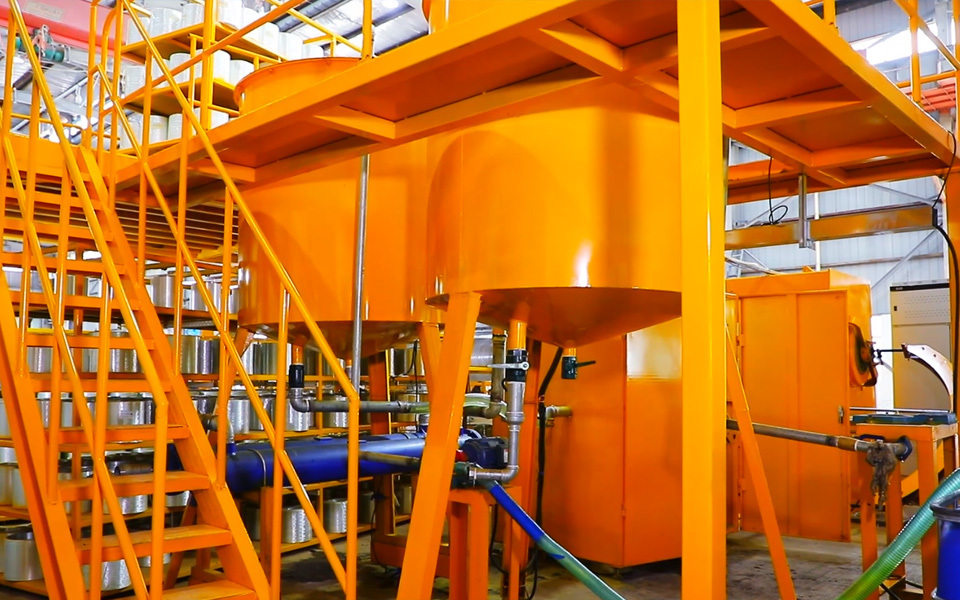
The first step in the manufacturing process includes preparing the raw materials, including the resin and glass fibers. These materials are selected based on the required specifications of the pipes.
6.2 Pipe Formation
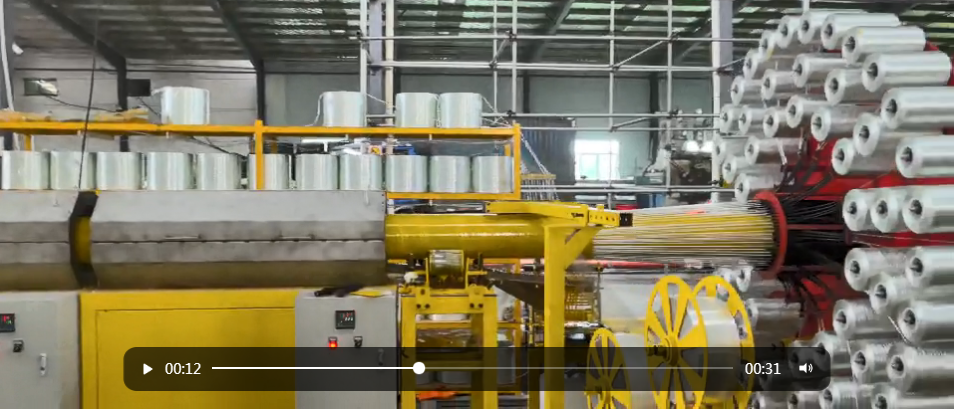
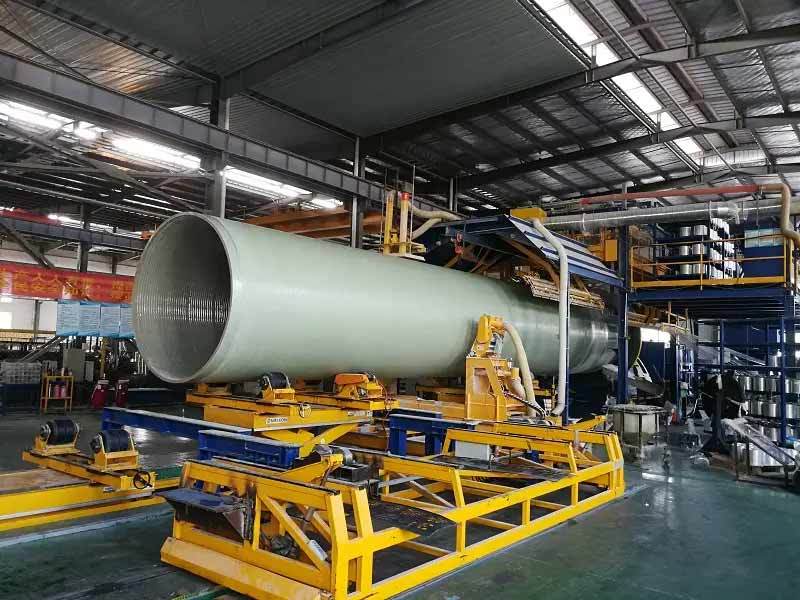
The next stage involves the actual pipe formation, where the prepared materials are combined using advanced techniques such as filament winding or resin transfer molding. This stage determines the physical properties of the finished product.
6.3 Curing Process
Once the pipes are formed, they undergo a curing process, which solidifies the material and enhances its strength and durability. This step is crucial for ensuring that the pipes meet industry standards.
6.4 Quality Control
Quality control is an integral part of the manufacturing process. Each batch of pipes undergoes rigorous testing to ensure they meet the required specifications for use in renewable energy applications.
7. Future Trends in GRP Technology for Renewable Energy
The future of GRP technology in the renewable energy sector is bright, with several emerging trends:
7.1 Technological Advancements
Innovations in manufacturing processes and materials are expected to enhance the performance and efficiency of GRP pipe machines, driving down costs and improving product quality.
7.2 Integration with Smart Technologies
As the industry moves towards smart energy solutions, the integration of GRP pipes with smart sensors and monitoring systems will likely become commonplace, allowing for real-time tracking of performance and maintenance needs.
7.3 Sustainability Focus
With increasing emphasis on sustainability, the development of eco-friendly GRP materials is anticipated, further aligning the technology with the goals of the renewable energy sector.
8. Frequently Asked Questions
8.1 What are the main advantages of GRP pipes over traditional materials?
GRP pipes offer superior corrosion resistance, lower weight, and a longer lifespan compared to traditional materials like steel or PVC.
8.2 How does the manufacturing process of GRP pipe machines work?
The manufacturing process involves preparing materials, forming pipes through techniques like filament winding, curing the pipes, and conducting quality control tests.
8.3 In which renewable energy sectors are GRP pipes most commonly used?
GRP pipes are predominantly used in solar, wind, hydropower, and geothermal energy applications due to their unique properties.
8.4 Are GRP pipes cost-effective in the long run?
Yes, while the initial cost may be higher, the reduced maintenance and replacement costs associated with GRP pipes lead to significant long-term savings.
8.5 What future innovations can we expect in GRP technology?
Future innovations may include advancements in material science, integration with smart technologies, and a greater focus on sustainability in product development.
9. Conclusion
The role of GRP pipe machines in the renewable energy sector cannot be overstated. As we move towards a more sustainable future, the importance of reliable, efficient, and eco-friendly materials becomes paramount. GRP pipes, produced by advanced machines, offer significant advantages that are making them increasingly indispensable in solar, wind, hydropower, and geothermal applications. With ongoing advancements in technology and material science, the potential for GRP pipes in renewable energy systems will continue to grow, paving the way for a more sustainable energy infrastructure. As we embrace these innovations, we contribute not only to the efficiency of renewable energy production but also to the preservation of our planet for future generations.
Contact Us
E-mail:
Phone/Wechat/WhatsApp
Address:
A2-1408, Kaichuang Avenue to Tai Plaza, Huangpu District, Guangzhou City, Guangdong Province
Related Posts


No. 20, Jiangjiang Avenue, Huadu District, Guangzhou City, Guangdong Province, China
sales@huacmachine.com


Huachuang Intelligent Technology