

-
PRODCUTS
-
APPLICATION
-
SERVICE
A Deep Dive into the Mechanisms of Composite Pipe Machines: Innovations in Manufacturing
Jan 19,2025
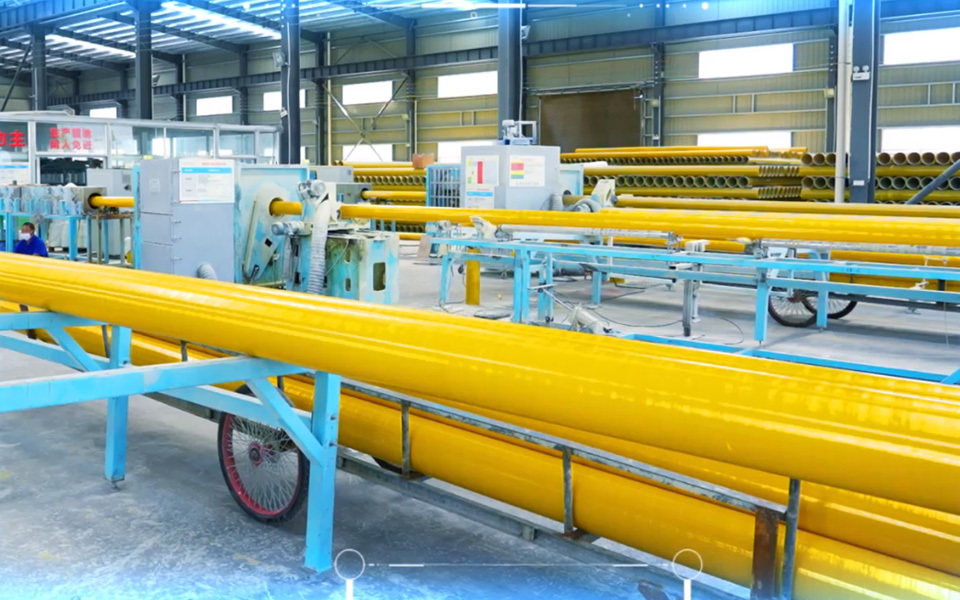
Composite pipes are engineered piping solutions made from a combination of materials, typically involving a blend of thermoplastics and reinforcement fibers such as fiberglass or carbon fiber. This combination results in pipes that are lightweight, strong, and resistant to corrosion. Composite pipes offer several advantages over traditional materials, including enhanced durability, improved insulation, and reduced weight, making them ideal for a variety of applications.
The manufacturing process begins with the feeding of raw materials into the machine. Composite materials are typically fed in the form of pellets or rolls, which are then processed through an extruder. The extruder melts the material, allowing it to flow and be shaped into the desired profile.
Heating is a critical step in the manufacturing of composite pipes. The extruder's temperature must be precisely controlled to ensure that the material reaches the optimal viscosity. This control allows for uniform flow and prevents degradation of the composite materials.
Once the material is adequately heated, it moves into the forming section of the machine. Various forming techniques, such as pultrusion and filament winding, are employed to create the pipe's shape. These methods involve pulling the material through a die or winding it around a mandrel to achieve the desired configuration.
After forming, the newly created composite pipes must be cooled to solidify their shape and structural integrity. Cooling can be achieved through air or water cooling systems, and it is essential to maintain consistent temperatures to avoid warping or other defects.
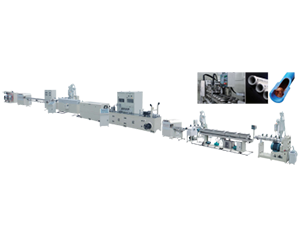
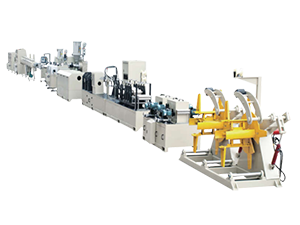
Composite pipe machines comprise several key components that work synergistically to facilitate the manufacturing process. Understanding these components is critical for optimizing performance and ensuring product quality.
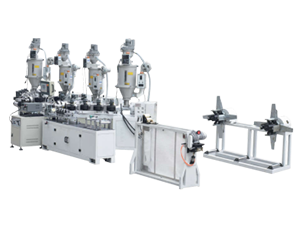
The extruder is the heart of the composite pipe machine. It is responsible for melting and shaping the raw materials. High-quality extruders are designed for precise temperature control and optimal material flow, crucial for producing defect-free pipes.
The die is a critical component in the forming process. It determines the cross-sectional shape of the pipe and must be engineered for specific applications. Precision dies ensure uniformity in the pipe's dimensions, enhancing its performance in end-use applications.
The cooling system is essential for solidifying the formed pipes. It must provide even cooling to avoid warping and ensure dimensional stability. Efficient cooling systems can significantly enhance production speed and reduce cycle times.
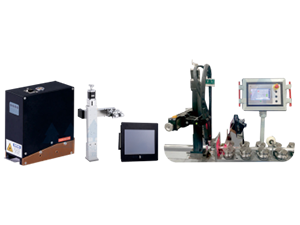
Modern composite pipe machines are equipped with advanced control panels that allow operators to monitor and adjust various parameters throughout the manufacturing process. These panels enhance operational efficiency and provide real-time data to optimize production.
Different types of composite pipe machines are designed for specific manufacturing processes and applications. Understanding these types can help manufacturers select the right equipment for their needs.
Pultrusion machines are specifically designed for producing continuous lengths of composite material. They work by pulling resin-impregnated fibers through a heated die, creating strong, lightweight pipes suitable for various applications.
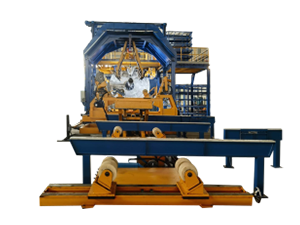
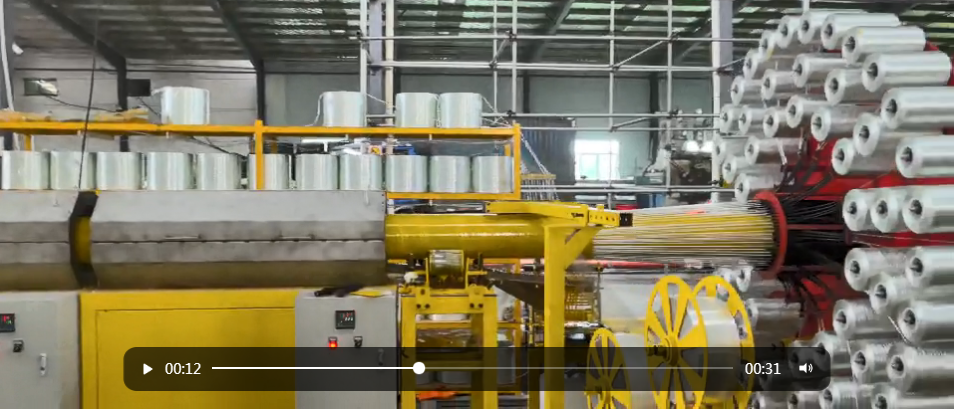
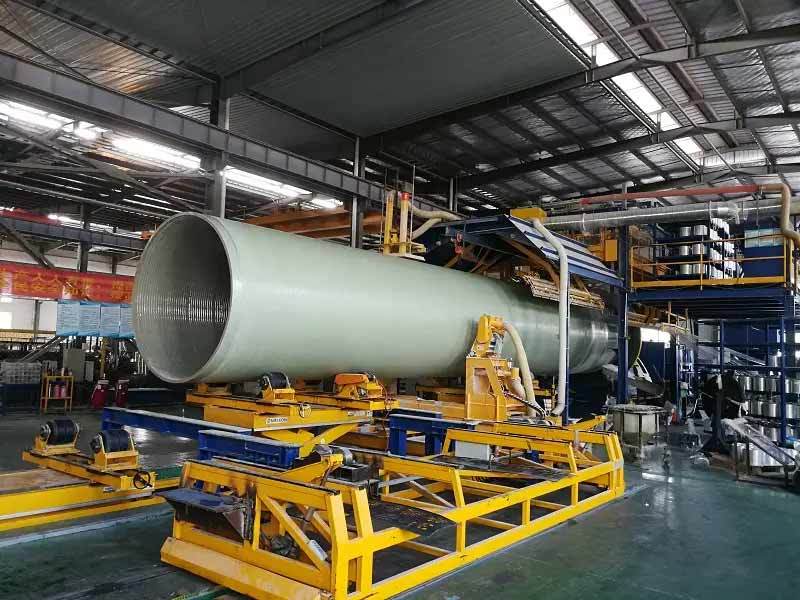
Filament winding machines generate composite pipes by winding fibers around a rotating mandrel. This process allows for the creation of pipes with specific strength characteristics and is often used in applications requiring high-performance materials.
These machines are designed for producing pipes reinforced with continuous strands of fiber. This method enhances the mechanical properties of the pipes, making them suitable for demanding environments.
Automation has become a game-changer in the composite pipe industry. Smart manufacturing techniques, including the Internet of Things (IoT) and artificial intelligence, enable real-time monitoring and decision-making, leading to improved operational efficiency.
Research into advanced composite materials is ongoing, focusing on enhancing performance characteristics and sustainability. Innovations such as bio-based resins and improved fiber technologies are revolutionizing the industry.
Contact Us
E-mail:
Phone/Wechat/WhatsApp
Address:
A2-1408, Kaichuang Avenue to Tai Plaza, Huangpu District, Guangzhou City, Guangdong Province
Related Posts


No. 20, Jiangjiang Avenue, Huadu District, Guangzhou City, Guangdong Province, China
sales@huacmachine.com


Huachuang Intelligent Technology