

-
PRODCUTS
-
APPLICATION
-
SERVICE
Understanding Filament Winding Machines: A Comprehensive Guide
Jan 04,2025
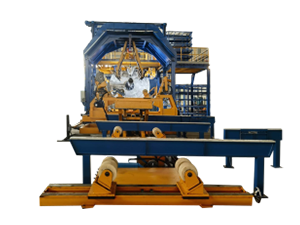
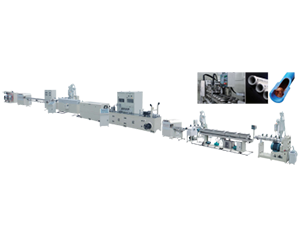
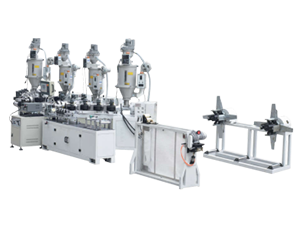
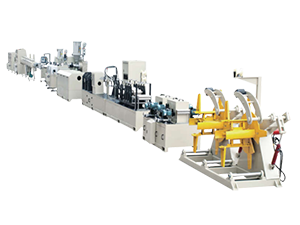
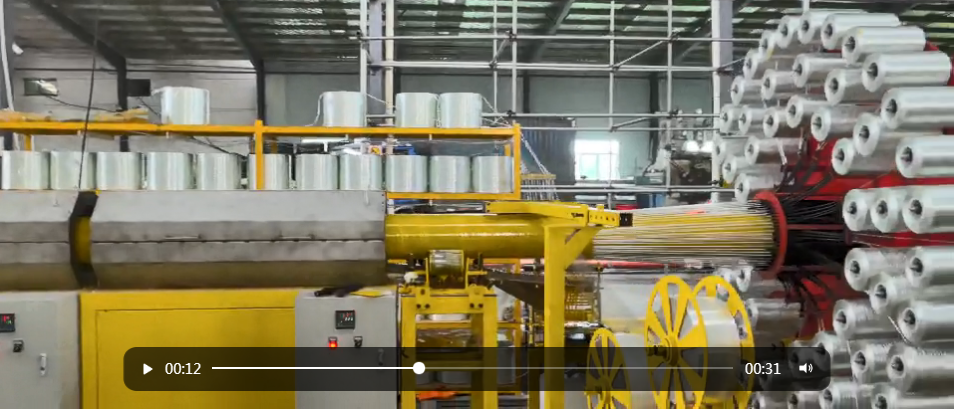
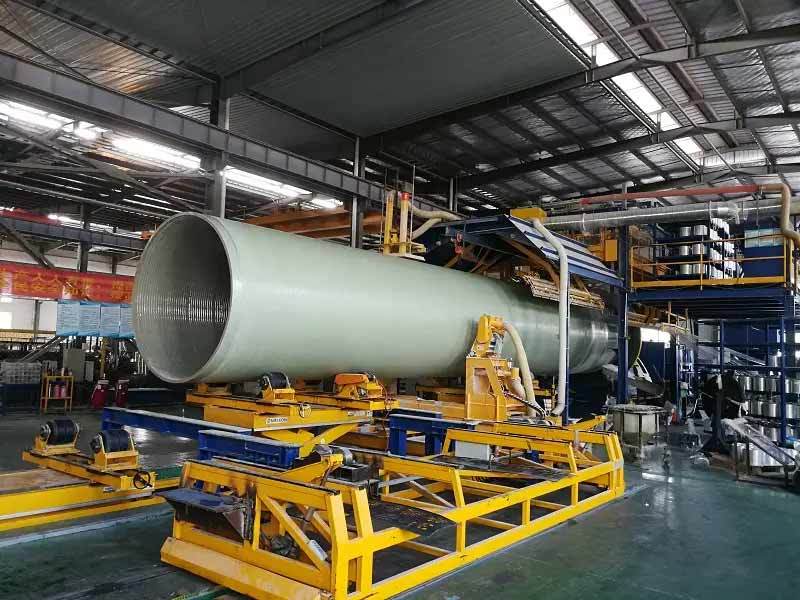
Filament winding machines are specialized equipment used primarily in the manufacturing of composite materials. This process involves winding continuous strands of fiber, typically glass, carbon, or aramid, around a rotating mandrel to create a strong, lightweight structure. The winding process allows for the precise placement of fibers, resulting in high-strength components that are often used in aerospace, automotive, and other demanding industries.
One of the key advantages of using filament winding machines is their ability to produce highly durable components with excellent structural integrity. The alignment and orientation of the fibers can be controlled, allowing manufacturers to optimize the mechanical properties of the final product. This precision is crucial in industries where performance and safety are paramount.
Filament winding machines come in various configurations, each designed to accommodate specific production needs. The most common types include cylindrical, conical, and spherical winding machines, which cater to different shapes and sizes of components. Additionally, advancements in automation and control systems have greatly enhanced the efficiency of filament winding operations, reducing cycle times and increasing output.
In terms of technology, many modern filament winding machines are equipped with computer numerical control (CNC) capabilities. This allows for greater flexibility in production, enabling manufacturers to easily switch between different winding patterns and configurations without significant downtime. The integration of software tools also aids in the design process, allowing engineers to simulate and optimize the winding process before actual production begins.
Another important aspect of filament winding machines is the curing process, which typically involves the application of heat or ultraviolet light to harden the resin used to bond the fibers. The curing method can significantly impact the performance characteristics of the final product, making it essential for manufacturers to select the appropriate technique based on the specific application requirements.
Moreover, the sustainability aspect of filament winding cannot be overlooked. With the growing emphasis on reducing environmental impact, many manufacturers are exploring the use of bio-based resins and recyclable fibers in their production processes. This shift not only helps in minimizing waste but also aligns with global initiatives to promote eco-friendly manufacturing practices.
In conclusion, filament winding machines are a vital component in the production of high-performance composite materials. Their ability to produce lightweight, strong, and durable products makes them indispensable in various industries. As technology continues to evolve, these machines are expected to become even more efficient and versatile, paving the way for innovative applications in the future. Understanding the capabilities and benefits of filament winding machines is crucial for any professional involved in manufacturing and processing, ensuring informed decision-making and enhanced production outcomes.
Contact Us
E-mail:
Phone/Wechat/WhatsApp
Address:
A2-1408, Kaichuang Avenue to Tai Plaza, Huangpu District, Guangzhou City, Guangdong Province
Related Posts


No. 20, Jiangjiang Avenue, Huadu District, Guangzhou City, Guangdong Province, China
sales@huacmachine.com


Huachuang Intelligent Technology