

-
PRODCUTS
-
APPLICATION
-
SERVICE
Understanding FRP Pipe Machinery: Innovations in Manufacturing
Feb 03,2025

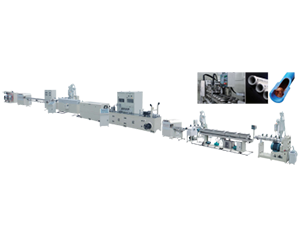
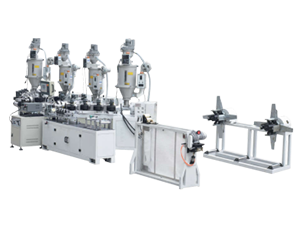
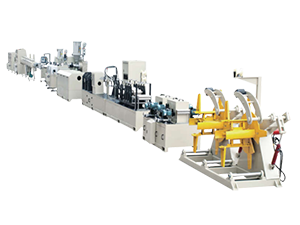
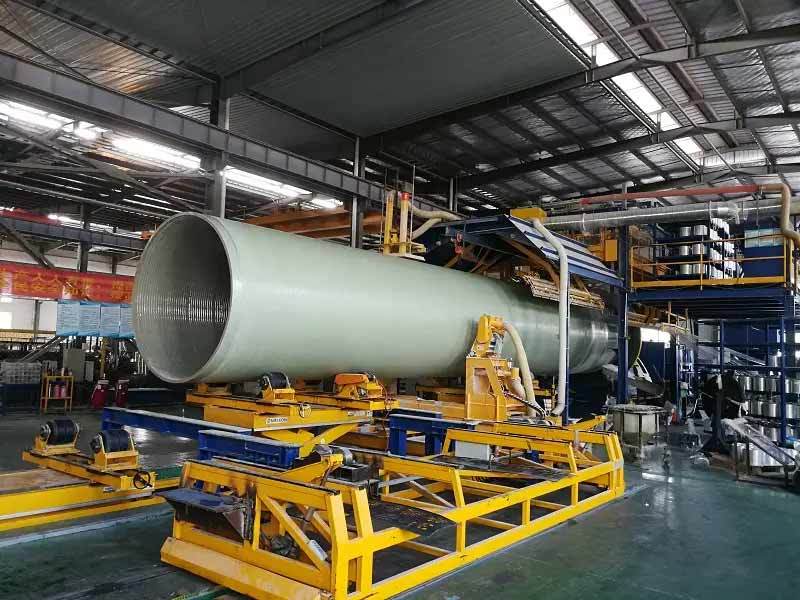
FRP pipe machinery plays a crucial role in the manufacturing of fiberglass reinforced pipes, which are known for their strength, durability, and resistance to corrosion. The process of creating FRP pipes involves several key technologies and machinery components that work together to produce high-quality products.
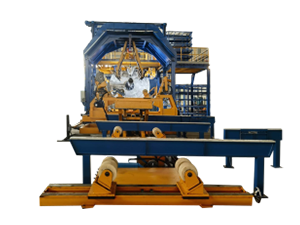
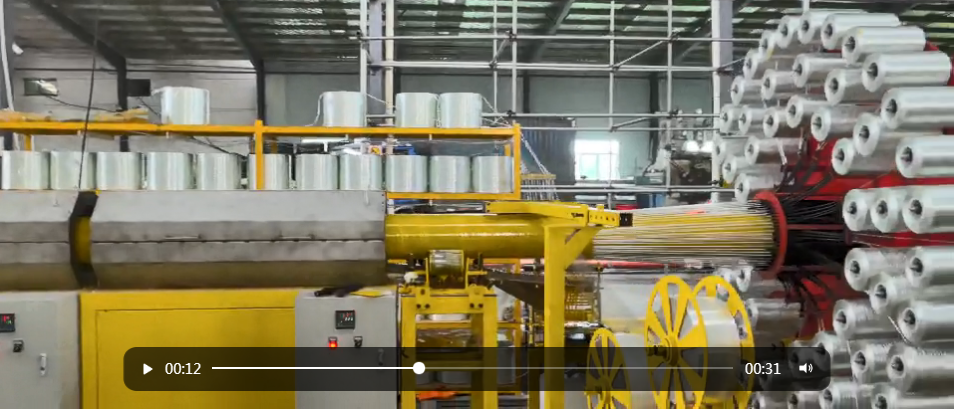
At the heart of FRP pipe machinery is the filament winding process. This technique involves winding continuous strands of fiberglass around a mandrel to form the desired pipe shape. The filament winding machine is designed to ensure precise control over the winding angle, tension, and speed, which are vital for achieving the mechanical properties required for various applications. Operators should be trained to optimize these parameters to maximize the efficiency of the production process.
Another significant aspect of FRP pipe machinery is the resin application system. This system ensures that the fiberglass is impregnated with the appropriate resin mixture, which provides the necessary bonding and strength. The machinery must be equipped with advanced metering and mixing systems to achieve the correct resin-fiberglass ratio, which is essential for the performance of the final product.
In addition to filament winding and resin application, curing is a critical stage in the production of FRP pipes. Curing ovens or chambers are utilized to harden the resin and finalize the pipe structure. Different curing methods, such as ambient temperature curing and heated curing, may be employed depending on the resin type and production requirements. Proper control of the curing environment, including temperature and humidity, is vital to ensure that the FRP pipes meet industry standards and specifications.
The versatility of FRP pipe machinery allows manufacturers to produce a wide range of pipe sizes and types, catering to various industries such as water supply, sewage, chemical processing, and oil and gas. The lightweight nature of FRP pipes, combined with their resistance to corrosion and environmental degradation, makes them an attractive alternative to traditional materials like steel and PVC.
Investing in advanced FRP pipe machinery not only enhances production efficiency but also improves the quality and performance of the pipes. Manufacturers are encouraged to stay updated with the latest technological advancements and consider automation solutions that can further streamline operations.
In conclusion, understanding the intricacies of FRP pipe machinery is essential for manufacturers looking to thrive in the competitive market of fiberglass reinforced pipes. By leveraging the right machinery and technologies, businesses can produce high-quality products that meet the evolving demands of various industries.
PREVIOUS:
Contact Us
E-mail:
Phone/Wechat/WhatsApp
Address:
A2-1408, Kaichuang Avenue to Tai Plaza, Huangpu District, Guangzhou City, Guangdong Province
Related Posts

No. 20, Jiangjiang Avenue, Huadu District, Guangzhou City, Guangdong Province, China
sales@huacmachine.com


Huachuang Intelligent Technology