

-
PRODCUTS
-
APPLICATION
-
SERVICE
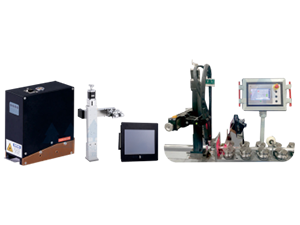
Enhancing Efficiency: Tips for Managing Your Pipes Production Line
Sep 29,2024

Enhancing Efficiency: Tips for Managing Your Pipes Production Line
In today's competitive manufacturing landscape, managing a pipes production line efficiently is crucial for success. With increasing demands and stringent quality standards, manufacturers must adopt innovative strategies to streamline operations and boost productivity. This article provides in-depth insights and practical tips to help you enhance the efficiency of your pipes production line.
Table of Contents
- Understanding the Pipes Production Process
- Key Factors Affecting Pipes Production Efficiency
- Implementing Lean Manufacturing Techniques
- Utilizing Technology and Automation
- Ensuring Quality Control in Production
- Training and Empowering Your Workforce
- Monitoring and Optimizing Production Lines
- Future Trends in Pipes Manufacturing
- FAQs About Pipes Production Line Management
- Conclusion
Understanding the Pipes Production Process
The production of pipes involves several key stages, including material selection, processing, and finishing. Understanding each of these stages is vital for identifying bottlenecks and opportunities for improvement. Typical processes include:
- Raw Material Procurement: Selecting high-quality materials that meet production requirements is the foundation of an efficient production line.
- Fabrication: This step involves cutting, bending, and shaping materials into pipes. Employing precision equipment can significantly enhance speed and accuracy.
- Welding and Joining: For pipes requiring joints, proper techniques and equipment are essential to ensure strength and durability.
- Finishing: This includes surface treatment and inspection to guarantee that all products meet industry standards.
Key Factors Affecting Pipes Production Efficiency
Several factors influence the efficiency of your pipes production line. Recognizing these factors allows for targeted improvements:
- Workflow Design: A well-organized workflow minimizes delays and ensures smooth transitions between stages.
- Equipment Maintenance: Regular maintenance of machinery prevents unexpected downtimes and enhances operational lifespan.
- Inventory Management: Efficient inventory control reduces excess stock and ensures that materials are available when needed.
- Employee Performance: Skilled and motivated workers significantly impact overall production efficiency.
Implementing Lean Manufacturing Techniques
Lean manufacturing focuses on minimizing waste and maximizing value. By adopting these principles, you can streamline your pipes production line:
- Value Stream Mapping: Analyze each step in the production process to identify and eliminate non-value-adding activities.
- Just-in-Time (JIT) Inventory: Reduce storage costs and improve cash flow by implementing a JIT inventory system.
- Continuous Improvement (Kaizen): Encourage feedback from employees and foster a culture of continuous improvement to optimize processes.
Utilizing Technology and Automation
Incorporating technology and automation into your pipes production line can lead to remarkable improvements in efficiency:
- Automated Machinery: Invest in machines that automate repetitive tasks, allowing your workforce to focus on more complex activities.
- Production Planning Software: Utilize advanced planning and scheduling software to optimize resource allocation and production schedules.
- Data Analytics: Leverage data analytics tools to monitor production metrics and gain insights for continuous improvement.
Ensuring Quality Control in Production
Quality control is paramount in maintaining the integrity of your pipes. Implementing stringent quality control measures can prevent defects and rework:
- Regular Inspections: Conduct routine inspections at various stages of production to catch issues early.
- Quality Management Systems (QMS): Adopt a QMS that aligns with industry standards to ensure consistent quality.
- Feedback Loops: Establish mechanisms for collecting feedback from customers and employees to enhance product quality continuously.
Training and Empowering Your Workforce
Your workforce is your most valuable asset. Investing in their training and empowerment can lead to significant gains in productivity:
- Skill Development: Offer regular training programs to enhance employees' technical skills and knowledge of modern production techniques.
- Empowerment: Encourage employees to take initiative and share their ideas for process improvements.
- Team Collaboration: Foster a collaborative work environment that promotes teamwork and communication.
Monitoring and Optimizing Production Lines
Continuous monitoring of your production line is essential for identifying inefficiencies and implementing timely solutions:
- Real-Time Monitoring: Utilize IoT-enabled devices to track production metrics and gather data in real time.
- Key Performance Indicators (KPIs): Establish KPIs to measure efficiency, quality, and performance across the production line.
- Periodic Reviews: Conduct regular reviews of production processes to identify trends and areas for improvement.
Future Trends in Pipes Manufacturing
The pipes manufacturing industry is evolving rapidly, driven by technological advances and changing market demands. Staying ahead of these trends can help you maintain a competitive edge:
- Sustainability: Increasing focus on sustainable materials and practices is shaping the future of pipes manufacturing.
- Smart Manufacturing: The integration of AI and machine learning into production processes allows for predictive maintenance and enhanced decision-making.
- Customization: Growing demand for customized products necessitates flexible manufacturing systems that can quickly adapt to changes.
FAQs About Pipes Production Line Management
What are the best practices for managing a pipes production line?
Best practices include optimizing workflow design, utilizing lean manufacturing techniques, incorporating technology, and investing in employee training.
How can technology improve pipes production efficiency?
Technology improves efficiency through automation, real-time data analytics, and advanced production planning software that optimizes scheduling and resource allocation.
What role does quality control play in pipes manufacturing?
Quality control ensures that products meet industry standards, reducing defects and rework, which ultimately enhances customer satisfaction and company reputation.
Why is employee training important in manufacturing?
Employee training enhances skills, boosts productivity, and fosters a culture of continuous improvement, making the workforce more adaptable to changes.
How can companies prepare for future trends in pipes manufacturing?
Companies can prepare by investing in research and development, adopting sustainable practices, and implementing flexible manufacturing systems to meet changing demands.
Conclusion
Enhancing the efficiency of your pipes production line requires a multifaceted approach that encompasses understanding the production process, implementing lean techniques, leveraging technology, ensuring quality control, and empowering your workforce. By focusing on these areas, manufacturers can streamline operations, reduce waste, and ultimately increase profitability. As the industry evolves, staying informed about future trends will be crucial for maintaining a competitive edge. Embrace these strategies today to optimize your pipes production line and drive your business towards success.
PREVIOUS:
Contact Us
E-mail:
Phone/Wechat/WhatsApp
Address:
A2-1408, Kaichuang Avenue to Tai Plaza, Huangpu District, Guangzhou City, Guangdong Province
Related Posts

No. 20, Jiangjiang Avenue, Huadu District, Guangzhou City, Guangdong Province, China
sales@huacmachine.com


Huachuang Intelligent Technology