

-
PRODCUTS
-
APPLICATION
-
SERVICE
Understanding the Pipes Production Line: An Essential Component of Industrial Manufacturing
Sep 30,2024
---
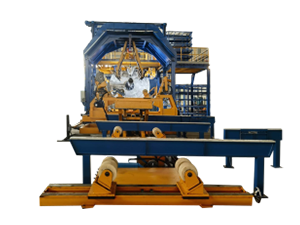
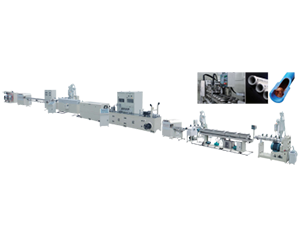
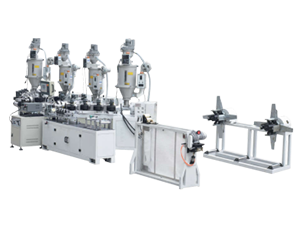
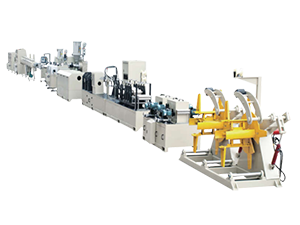
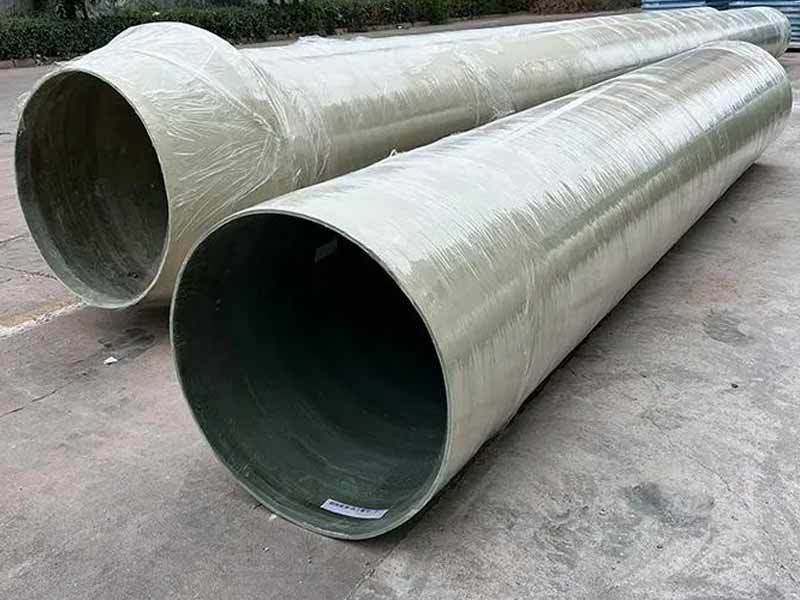
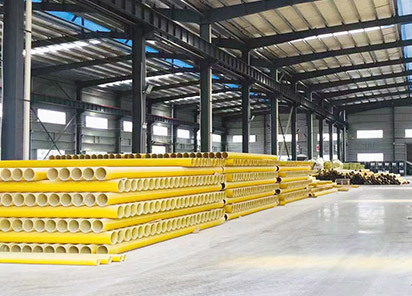
The Pipes Production Line is an integral part of the manufacturing process, particularly in industries that rely heavily on piping systems for transporting fluids, gases, and other materials. The efficiency and quality of these production lines can significantly impact overall productivity and product standards within a manufacturing facility.
At the heart of a Pipes Production Line are various stages that transform raw materials into finished pipe products. The process typically begins with the selection of appropriate materials, which can range from metals to plastics, depending on the end-use requirements. The chosen materials are then subjected to processes such as extrusion, welding, or molding, each tailored to produce specific types of pipes.
Extrusion is one of the most common methods used in pipe production. In this process, raw material is heated until it becomes pliable and then forced through a die to create a continuous pipe shape. This method is particularly advantageous for producing plastic pipes, as it allows for uniform thickness and length, reducing waste and ensuring consistency.
Welding, on the other hand, is often employed in the production of metal pipes. Various welding techniques, such as TIG or MIG welding, are used to join metal pieces, providing strength and durability to the finished product. The quality of the welds is crucial, as it determines the integrity and longevity of the pipes in application.
The Pipes Production Line is equipped with advanced machinery that not only facilitates these processes but also incorporates quality control measures. Automated systems can monitor dimensions, pressure, and other critical factors throughout production, ensuring that each pipe meets industry standards. This level of precision is essential, particularly in sectors such as oil and gas, construction, and manufacturing, where the reliability of piping systems is paramount.
Furthermore, modern Pipes Production Lines often integrate environmentally sustainable practices. Manufacturers are increasingly adopting recycling methods for plastic waste generated during production and utilizing energy-efficient machinery. This commitment to sustainability not only benefits the environment but also enhances the manufacturer's reputation and compliance with regulations.
In conclusion, the Pipes Production Line is a complex assembly that combines various manufacturing techniques to produce pipes essential for numerous industrial applications. Understanding its components and processes is crucial for manufacturers aiming to improve efficiency, quality, and sustainability in their operations. By investing in advanced technologies and adhering to industry best practices, manufacturers can ensure that their Pipes Production Line remains competitive in a rapidly evolving market.
The Pipes Production Line is an integral part of the manufacturing process, particularly in industries that rely heavily on piping systems for transporting fluids, gases, and other materials. The efficiency and quality of these production lines can significantly impact overall productivity and product standards within a manufacturing facility.
At the heart of a Pipes Production Line are various stages that transform raw materials into finished pipe products. The process typically begins with the selection of appropriate materials, which can range from metals to plastics, depending on the end-use requirements. The chosen materials are then subjected to processes such as extrusion, welding, or molding, each tailored to produce specific types of pipes.
Extrusion is one of the most common methods used in pipe production. In this process, raw material is heated until it becomes pliable and then forced through a die to create a continuous pipe shape. This method is particularly advantageous for producing plastic pipes, as it allows for uniform thickness and length, reducing waste and ensuring consistency.
Welding, on the other hand, is often employed in the production of metal pipes. Various welding techniques, such as TIG or MIG welding, are used to join metal pieces, providing strength and durability to the finished product. The quality of the welds is crucial, as it determines the integrity and longevity of the pipes in application.
The Pipes Production Line is equipped with advanced machinery that not only facilitates these processes but also incorporates quality control measures. Automated systems can monitor dimensions, pressure, and other critical factors throughout production, ensuring that each pipe meets industry standards. This level of precision is essential, particularly in sectors such as oil and gas, construction, and manufacturing, where the reliability of piping systems is paramount.
Furthermore, modern Pipes Production Lines often integrate environmentally sustainable practices. Manufacturers are increasingly adopting recycling methods for plastic waste generated during production and utilizing energy-efficient machinery. This commitment to sustainability not only benefits the environment but also enhances the manufacturer's reputation and compliance with regulations.
In conclusion, the Pipes Production Line is a complex assembly that combines various manufacturing techniques to produce pipes essential for numerous industrial applications. Understanding its components and processes is crucial for manufacturers aiming to improve efficiency, quality, and sustainability in their operations. By investing in advanced technologies and adhering to industry best practices, manufacturers can ensure that their Pipes Production Line remains competitive in a rapidly evolving market.
Contact Us
E-mail:
Phone/Wechat/WhatsApp
Address:
A2-1408, Kaichuang Avenue to Tai Plaza, Huangpu District, Guangzhou City, Guangdong Province
Related Posts


No. 20, Jiangjiang Avenue, Huadu District, Guangzhou City, Guangdong Province, China
sales@huacmachine.com


Huachuang Intelligent Technology