

-
PRODCUTS
-
APPLICATION
-
SERVICE
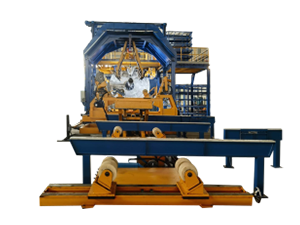
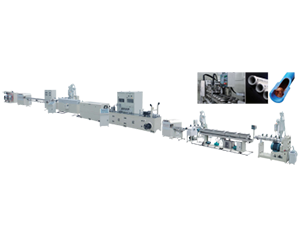
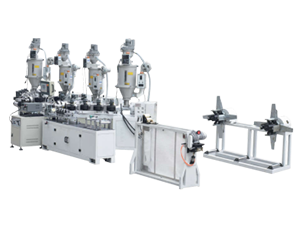
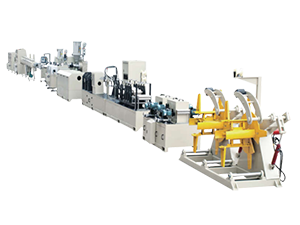
How to Choose the Right Filament Winding Machine for Your Production Needs
Oct 03,2024
How to Choose the Right Filament Winding Machine for Your Production Needs
Table of Contents
- 1. Introduction to Filament Winding Machines
- 2. Understanding Filament Winding Technology
- 3. Types of Filament Winding Machines
- 4. Key Factors to Consider When Choosing a Filament Winding Machine
- 5. Assessing Performance and Efficiency
- 6. Cost Considerations and Budgeting
- 7. Researching and Selecting a Supplier
- 8. Maintenance, Support, and After-Sales Services
- 9. Conclusion
- 10. Frequently Asked Questions (FAQ)
1. Introduction to Filament Winding Machines
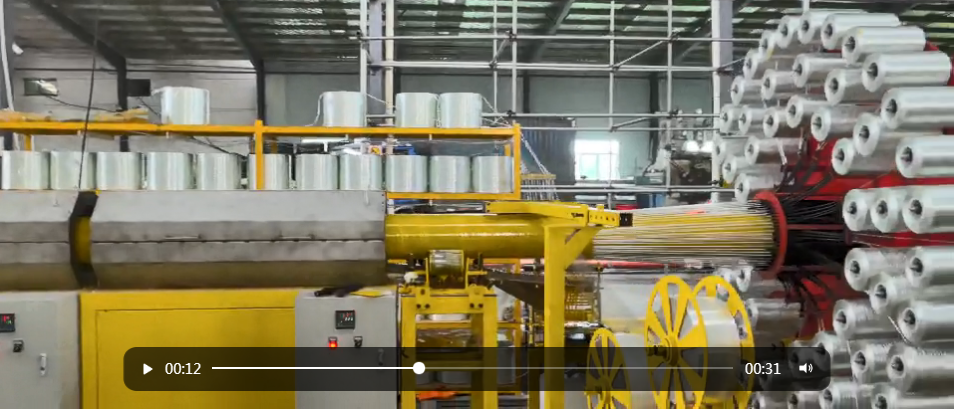
Filament winding is a widely utilized manufacturing process, particularly in industries such as aerospace, automotive, and marine. This method involves winding continuous strands of fiber, often reinforced with resin, around a rotating mandrel to create composite structures. As production demands increase, choosing the right filament winding machine becomes crucial for efficiency, quality, and overall output.
2. Understanding Filament Winding Technology
Filament winding technology facilitates the creation of strong, lightweight composite materials. By combining fibers and resins, manufacturers can produce parts that are not only durable but also optimized for specific applications. Understanding the fundamental principles of filament winding, including the role of tension, winding patterns, and layer orientation, is essential for selecting an appropriate machine.
3. Types of Filament Winding Machines
When it comes to filament winding machines, several types cater to different production needs:
3.1. Manual Filament Winding Machines
Manual machines require operators to control the winding process, offering flexibility for small-scale production or custom jobs.
3.2. Semi-Automatic Filament Winding Machines
These machines automate some processes while still requiring operator input, making them suitable for medium-scale production.
3.3. Fully Automatic Filament Winding Machines
Designed for high-volume production, fully automatic machines streamline the entire winding process, reducing labor costs and increasing efficiency.
4. Key Factors to Consider When Choosing a Filament Winding Machine
Selecting the right filament winding machine requires a careful evaluation of various factors. Here are the primary considerations to guide your decision:
4.1. Production Volume and Speed
Identify your production requirements. High-volume operations may benefit from fully automatic systems, while smaller operations might find manual or semi-automatic machines sufficient.
4.2. Type of Materials Used
Different machines are compatible with various materials. Ensure the machine you select can handle the specific types of fibers and resins you intend to use.
4.3. Winding Patterns and Shapes
Consider the shapes and winding patterns needed for your products. Some machines offer advanced programming features that allow for complex winding geometries.
4.4. Space and Layout
Evaluate your production floor space. Ensure the machine's dimensions fit comfortably within your facility while allowing for safe operation and maintenance.
4.5. Budget and Financing Options
Establish a budget for your investment. Consider not only the initial purchase price but also ongoing operational costs, including maintenance and consumables.
5. Assessing Performance and Efficiency
Performance metrics are critical when evaluating filament winding machines. Look for machines designed for high precision and repeatability, as these factors directly impact product quality. Additionally, assess the machine's energy efficiency and potential for minimizing waste during production.
6. Cost Considerations and Budgeting
Investing in a filament winding machine is a significant financial commitment. Beyond the initial cost, consider long-term operational expenses. Analyze the total cost of ownership, which includes maintenance, training, and potential upgrades. A higher upfront investment may lead to greater savings over time if the machine offers enhanced efficiency and lower operating costs.
7. Researching and Selecting a Supplier
Choosing the right supplier is just as important as selecting the machine itself. Research potential suppliers by evaluating their reputation, customer service, and after-sales support. Request references from other customers and inquire about their experiences with the machine and the supplier's support services.
8. Maintenance, Support, and After-Sales Services
Proper maintenance is crucial for the longevity and performance of your filament winding machine. Consider the availability of technical support and spare parts from your supplier. A reputable supplier will offer comprehensive after-sales services, including training, troubleshooting, and prompt access to replacement components.
9. Conclusion
Choosing the right filament winding machine involves a thorough understanding of your production needs, machine specifications, and supplier capabilities. By assessing factors such as production volume, materials, and budget, manufacturers can make informed decisions that lead to increased efficiency and product quality. Investing time in selecting the right equipment will ultimately pay off with improved operational performance and profitability.
10. Frequently Asked Questions (FAQ)
FAQ 1: What is filament winding?
Filament winding is a manufacturing process used to create composite materials by winding fibers around a rotating mandrel, resulting in strong, lightweight structures.
FAQ 2: How do I determine the right type of filament winding machine for my needs?
Consider factors such as production volume, types of materials, desired winding patterns, and your budget when selecting a filament winding machine.
FAQ 3: What are the benefits of using a fully automatic filament winding machine?
Fully automatic machines enhance production efficiency, reduce labor costs, and ensure consistent quality, making them ideal for high-volume operations.
FAQ 4: What maintenance is required for filament winding machines?
Regular maintenance includes checking tension settings, cleaning the machine, inspecting components, and following the manufacturer's guidelines to prevent issues.
FAQ 5: How can I find a reliable supplier for filament winding machines?
Research suppliers by reading reviews, requesting references, and evaluating their customer service and support offerings to ensure a trustworthy partnership.
Contact Us
E-mail:
Phone/Wechat/WhatsApp
Address:
A2-1408, Kaichuang Avenue to Tai Plaza, Huangpu District, Guangzhou City, Guangdong Province
Related Posts


No. 20, Jiangjiang Avenue, Huadu District, Guangzhou City, Guangdong Province, China
sales@huacmachine.com


Huachuang Intelligent Technology