

-
PRODCUTS
-
APPLICATION
-
SERVICE
Transforming Manufacturing: The Advantages of Composite Pipe Machines
Oct 07,2024
Transforming Manufacturing: The Advantages of Composite Pipe Machines
Table of Contents
- 1. Introduction to Composite Pipe Machines
- 2. Key Benefits of Composite Pipe Machines
- 2.1 Enhanced Production Efficiency
- 2.2 Cost Reduction and Increased Profit Margins
- 2.3 Improvement in Product Quality
- 2.4 Contribution to Sustainability and Environmental Goals
- 3. Applications of Composite Pipe Machines in Various Industries
- 3.1 Applications in the Oil and Gas Industry
- 3.2 Role in the Construction Sector
- 3.3 Usage in the Automotive Industry
- 4. The Technology Behind Composite Pipe Machines
- 5. Future Trends in Composite Pipe Machinery
- 6. Frequently Asked Questions (FAQs)
- 7. Conclusion
1. Introduction to Composite Pipe Machines
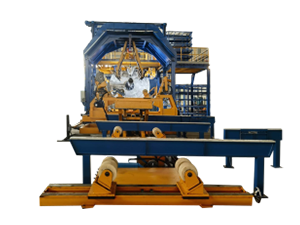
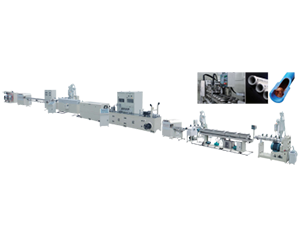
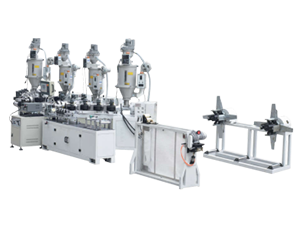
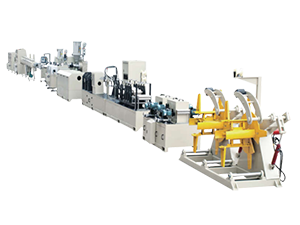
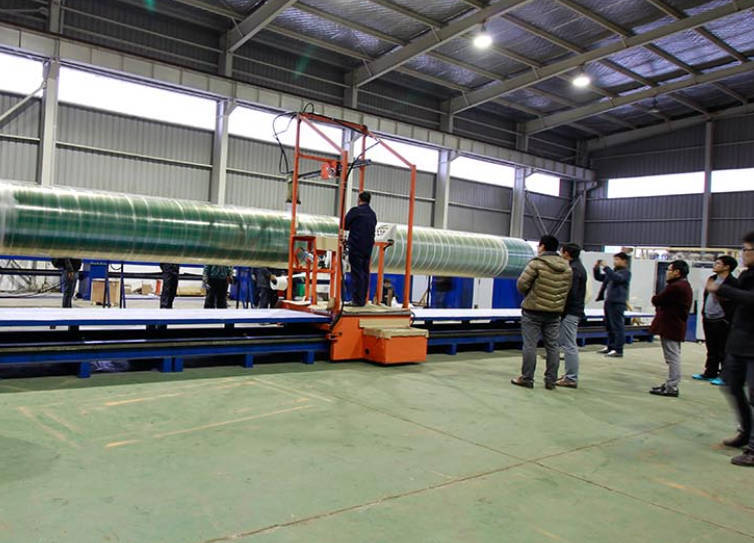
In the ever-evolving landscape of manufacturing, **composite pipe machines** are emerging as game-changers. These machines are specifically designed to produce high-performance composite pipes that offer superior strength, durability, and resistance to various environmental factors. As industries seek efficient and effective solutions, the adoption of composite pipe machinery is on the rise. In this article, we will delve into the numerous benefits of these machines, their applications, the underlying technology, and what the future holds for this innovative manufacturing sector.
2. Key Benefits of Composite Pipe Machines
Composite pipe machines offer a plethora of advantages that make them indispensable in modern manufacturing.
2.1 Enhanced Production Efficiency
One of the most significant advantages of composite pipe machines is their ability to enhance production efficiency. These machines are engineered for high-speed operations, enabling manufacturers to produce large quantities of pipes in a shorter time frame. The automation features incorporated in these machines further streamline the production process, reducing the need for manual intervention and minimizing the risk of human error.
2.2 Cost Reduction and Increased Profit Margins
By improving efficiency, composite pipe machines also contribute to significant cost reductions. The reduced production time and lower labor costs translate into higher profit margins for manufacturers. Furthermore, these machines are designed to minimize material waste, ensuring that resources are utilized effectively, thus further driving down costs.
2.3 Improvement in Product Quality
Composite pipe machines are known for producing pipes of exceptional quality. The precision and consistency offered by advanced manufacturing techniques result in products that meet stringent industry standards. High-quality composite pipes exhibit superior mechanical properties, making them ideal for demanding applications across various sectors.
2.4 Contribution to Sustainability and Environmental Goals
In a world increasingly focused on sustainability, composite pipe machines play a crucial role. These machines often use materials that are more environmentally friendly compared to traditional options. Additionally, the reduction of waste and energy consumption during production aligns with global efforts to minimize environmental impact, making composite pipes a sustainable choice in manufacturing.
3. Applications of Composite Pipe Machines in Various Industries
The versatility of composite pipe machines allows them to find applications across a wide range of industries.
3.1 Applications in the Oil and Gas Industry
In the oil and gas industry, composite pipes are preferred for their resistance to corrosion and high-pressure applications. Composite pipe machines facilitate the production of pipes that can withstand harsh environmental conditions, ensuring the safe transportation of oil and gas.
3.2 Role in the Construction Sector
The construction sector benefits immensely from composite pipe technology. These pipes are lightweight yet strong, making them easy to handle and install. Additionally, their durability reduces maintenance costs, making them an attractive option for construction projects.
3.3 Usage in the Automotive Industry
In the automotive industry, composite pipes are utilized for various applications, including fuel and coolant systems. The lightweight nature of composite materials contributes to improved fuel efficiency and overall vehicle performance.
4. The Technology Behind Composite Pipe Machines
Understanding the technology that drives composite pipe machines is essential for appreciating their impact on manufacturing.
4.1 Understanding the Manufacturing Process
The manufacturing process of composite pipes involves several stages, including material preparation, pipe formation, and curing. Each stage is meticulously designed to ensure that the final product meets the desired specifications.
4.2 Types of Materials Used
Composite pipes are made from a variety of materials, including fiberglass, carbon fiber, and thermoplastics. The choice of material greatly influences the properties of the final product, allowing manufacturers to tailor pipes for specific applications.
5. Future Trends in Composite Pipe Machinery
As technology continues to evolve, the future of composite pipe machines looks promising. Innovations such as **smart manufacturing**, enhanced automation, and the integration of **AI** are poised to revolutionize the industry. These advancements are expected to further improve efficiency, reduce costs, and enhance product quality, making composite pipe machines an integral part of modern manufacturing.
6. Frequently Asked Questions (FAQs)
What are composite pipe machines?
Composite pipe machines are specialized equipment designed to manufacture pipes made from composite materials, offering enhanced performance and durability.
What industries use composite pipes?
Composite pipes are widely used in industries such as oil and gas, construction, and automotive.
How do composite pipe machines improve production efficiency?
These machines are engineered for high-speed operations and automation, significantly reducing production time and labor costs.
Are composite pipes environmentally friendly?
Yes, composite pipes are often made from materials that have a lower environmental impact and are produced with less waste and energy consumption.
What materials are commonly used in composite pipes?
Common materials include fiberglass, carbon fiber, and thermoplastics.
7. Conclusion
The introduction of composite pipe machines has transformed the manufacturing landscape, offering unparalleled benefits in efficiency, cost reduction, product quality, and sustainability. As industries continue to seek innovative solutions to meet their evolving needs, the role of composite pipe machinery will only grow. By embracing this technology, manufacturers not only enhance their production capabilities but also contribute to a more sustainable future. The potential of composite pipe machines is vast, and their impact will undoubtedly shape the manufacturing sector in the years to come.
Contact Us
E-mail:
Phone/Wechat/WhatsApp
Address:
A2-1408, Kaichuang Avenue to Tai Plaza, Huangpu District, Guangzhou City, Guangdong Province
Related Posts


No. 20, Jiangjiang Avenue, Huadu District, Guangzhou City, Guangdong Province, China
sales@huacmachine.com


Huachuang Intelligent Technology