

-
PRODCUTS
-
APPLICATION
-
SERVICE
Understanding Filament Winding Machines: A Key Technology in Composite Manufacturing
Oct 06,2024
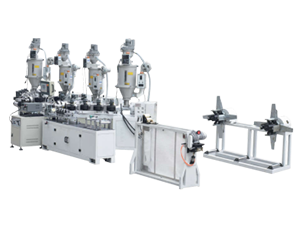
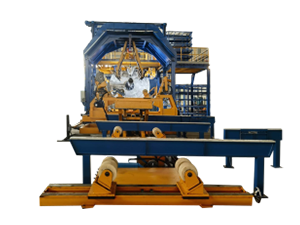
Filament winding machines are sophisticated tools used in the manufacturing of composite materials, primarily for the production of cylindrical or spherical components. This technology plays a crucial role in industries such as aerospace, automotive, marine, and even in the construction of pressure vessels. By utilizing continuous fibers, such as carbon, glass, or aramid, and a resin matrix, filament winding machines create high-strength, lightweight structures that are essential for modern engineering applications.
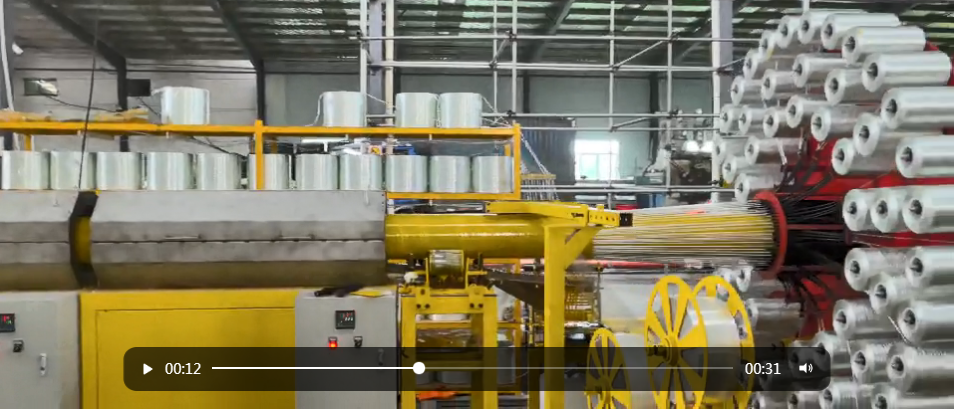
The process of filament winding involves wrapping continuous strands of resin-impregnated fibers around a rotating mandrel. The machine precisely controls the angle and tension of the fibers, ensuring uniform coverage and optimal structural integrity. Different winding patterns, such as helical, hoop, or polar winding, can be employed depending on the specific requirements of the component being manufactured. This versatility allows engineers to tailor the mechanical properties of the finished product, optimizing it for its intended use.
One of the significant advantages of filament winding machines is their ability to produce complex geometries with high repeatability and consistency. The automation of the winding process reduces human error and enhances production efficiency. As a result, manufacturers can achieve faster cycle times and lower labor costs while maintaining high-quality standards.
Moreover, the use of composite materials produced through filament winding allows for significant weight savings compared to traditional materials like metal. This is particularly important in industries where weight reduction can lead to improved fuel efficiency and performance, such as in aerospace and automotive applications. Additionally, composites exhibit excellent resistance to corrosion and fatigue, further extending the lifespan of the components.
In recent years, advancements in technology have led to the integration of computer numerical control (CNC) systems in filament winding machines. This innovation enables precise programming and monitoring of the winding process, allowing for greater customization and adaptability to evolving manufacturing needs. Manufacturers can now produce small batches of specialized components without the significant setup time often associated with traditional manufacturing processes.
In conclusion, filament winding machines are vital in the realm of composite material manufacturing, delivering high-performance solutions across various industries. Their ability to create strong, lightweight structures with precision and efficiency makes them an indispensable tool in modern manufacturing. As technology continues to evolve, the capabilities and applications of filament winding will undoubtedly expand, paving the way for innovative designs and improved performance in countless applications.
The process of filament winding involves wrapping continuous strands of resin-impregnated fibers around a rotating mandrel. The machine precisely controls the angle and tension of the fibers, ensuring uniform coverage and optimal structural integrity. Different winding patterns, such as helical, hoop, or polar winding, can be employed depending on the specific requirements of the component being manufactured. This versatility allows engineers to tailor the mechanical properties of the finished product, optimizing it for its intended use.
One of the significant advantages of filament winding machines is their ability to produce complex geometries with high repeatability and consistency. The automation of the winding process reduces human error and enhances production efficiency. As a result, manufacturers can achieve faster cycle times and lower labor costs while maintaining high-quality standards.
Moreover, the use of composite materials produced through filament winding allows for significant weight savings compared to traditional materials like metal. This is particularly important in industries where weight reduction can lead to improved fuel efficiency and performance, such as in aerospace and automotive applications. Additionally, composites exhibit excellent resistance to corrosion and fatigue, further extending the lifespan of the components.
In recent years, advancements in technology have led to the integration of computer numerical control (CNC) systems in filament winding machines. This innovation enables precise programming and monitoring of the winding process, allowing for greater customization and adaptability to evolving manufacturing needs. Manufacturers can now produce small batches of specialized components without the significant setup time often associated with traditional manufacturing processes.
In conclusion, filament winding machines are vital in the realm of composite material manufacturing, delivering high-performance solutions across various industries. Their ability to create strong, lightweight structures with precision and efficiency makes them an indispensable tool in modern manufacturing. As technology continues to evolve, the capabilities and applications of filament winding will undoubtedly expand, paving the way for innovative designs and improved performance in countless applications.
Contact Us
E-mail:
Phone/Wechat/WhatsApp
Address:
A2-1408, Kaichuang Avenue to Tai Plaza, Huangpu District, Guangzhou City, Guangdong Province
Related Posts


No. 20, Jiangjiang Avenue, Huadu District, Guangzhou City, Guangdong Province, China
sales@huacmachine.com


Huachuang Intelligent Technology