

-
PRODCUTS
-
APPLICATION
-
SERVICE
Exploring the Advantages of Automated Filament Winding Machines: Revolutionizing Manufacturing Processes
Oct 05,2024
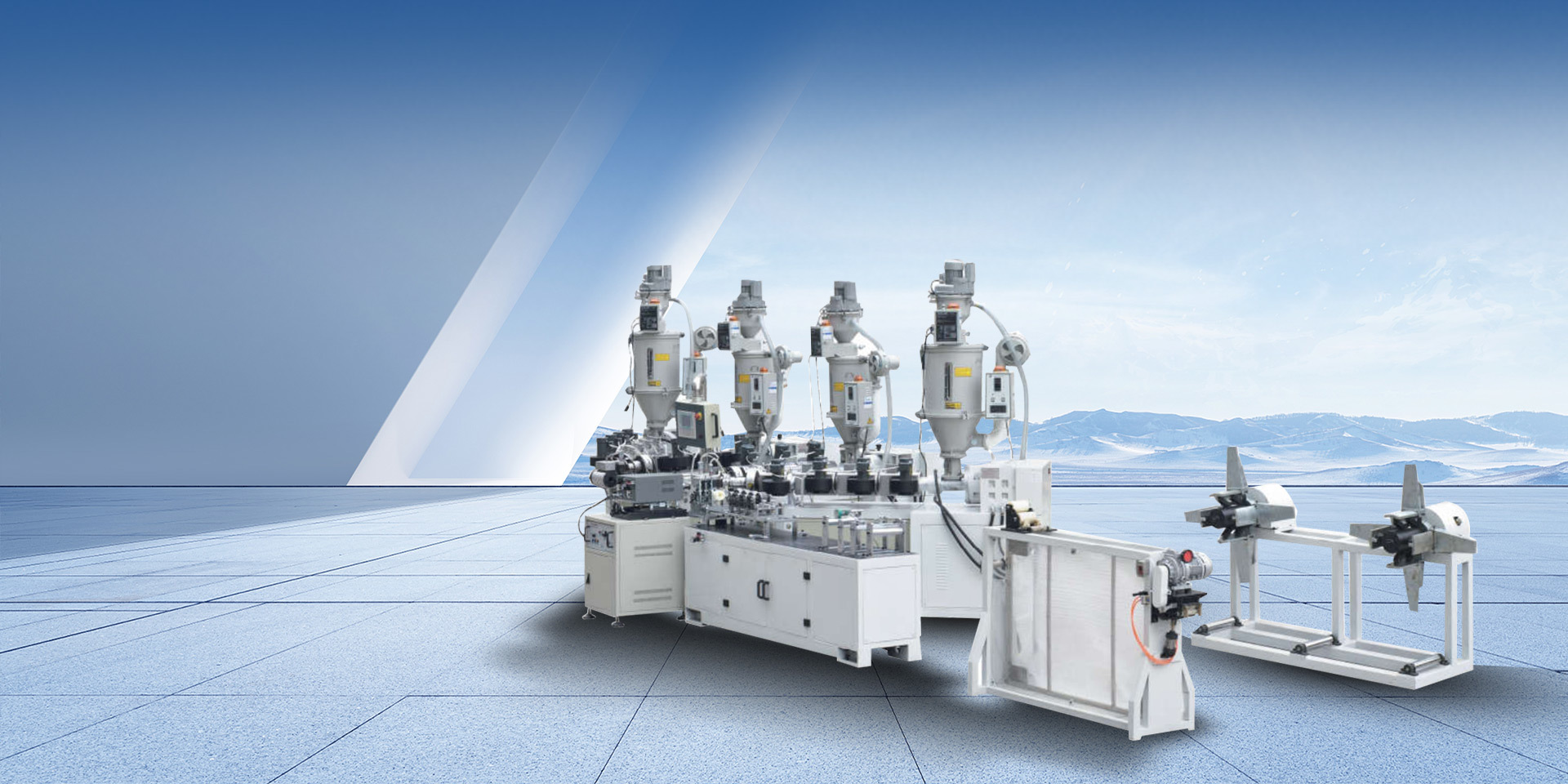
Exploring the Advantages of Automated Filament Winding Machines
Table of Contents
- 1. Introduction to Automated Filament Winding Machines
- 2. Technology Overview of Filament Winding
- 3. Key Benefits of Automated Filament Winding Machines
- 3.1 Enhanced Efficiency in Production
- 3.2 Cost-Effectiveness of Automation
- 3.3 Improved Quality Assurance
- 3.4 Design Flexibility and Customization
- 4. Applications of Automated Filament Winding Machines
- 5. Future Trends in Filament Winding Technology
- 6. Challenges in Implementing Automated Filament Winding Machines
- 7. Frequently Asked Questions
- 8. Conclusion
1. Introduction to Automated Filament Winding Machines
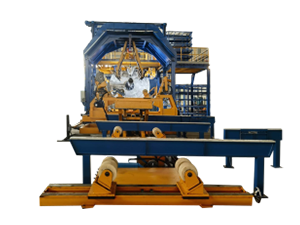
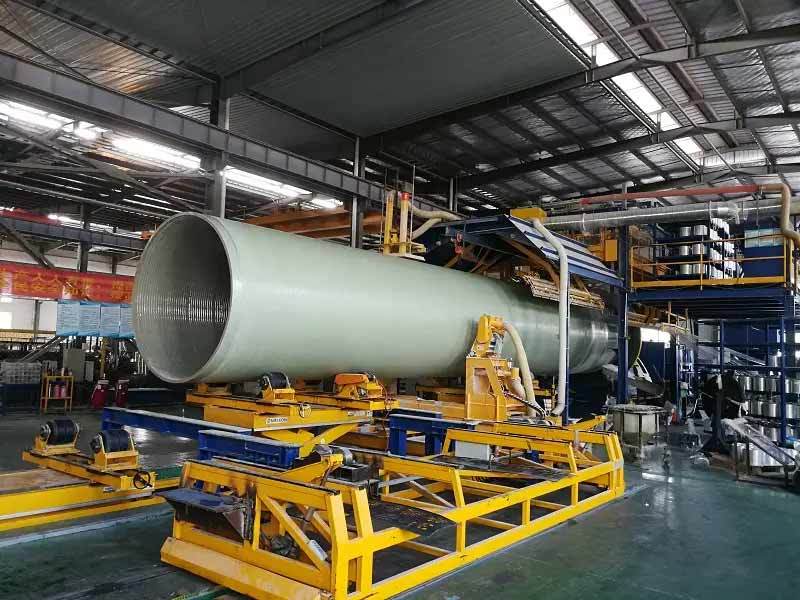
Automated filament winding machines represent a significant advancement in the manufacturing of composite materials. These machines utilize a process where continuous filaments are wound around a mandrel in a specific pattern to create components that benefit from enhanced strength and reduced weight. Industries such as aerospace, automotive, and renewable energy have embraced this technology due to its ability to optimize production and improve product performance.
2. Technology Overview of Filament Winding
Filament winding is an advanced manufacturing technique that involves the precise winding of fibers around a rotating mandrel. The process can be divided into several steps, including:
- **Material Selection**: High-strength fibers like carbon, glass, or aramid are chosen based on the desired properties of the final product.
- **Mandrel Preparation**: The mandrel, which dictates the shape of the finished component, is prepared and coated to facilitate the release of the composite after curing.
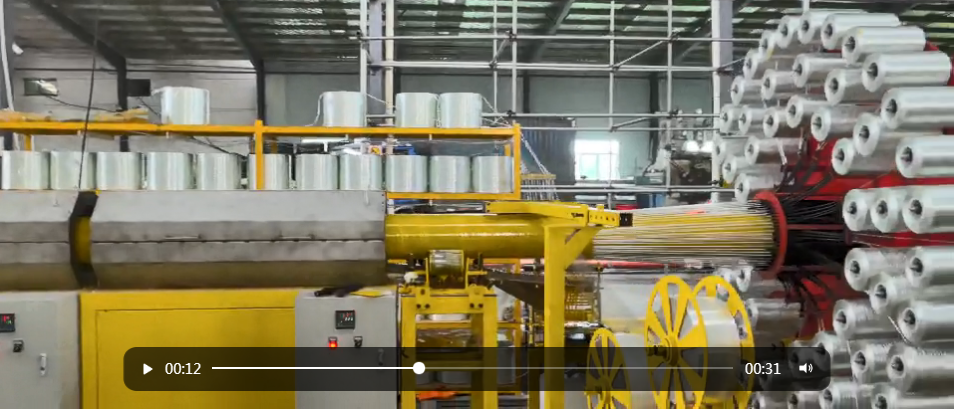
- **Winding Process**: The automated machine precisely controls the tension and angle of the filament as it winds around the mandrel, ensuring uniform distribution and optimal structural integrity.
- **Curing**: After winding, the composite is cured, either in an oven or under ultraviolet light, to harden the material and achieve the desired mechanical properties.
3. Key Benefits of Automated Filament Winding Machines
3.1 Enhanced Efficiency in Production
One of the most notable advantages of automated filament winding machines is their ability to significantly enhance production efficiency. These machines operate continuously, reducing the time required for manual processes. Their automation capabilities not only increase output but also allow for the simultaneous production of multiple parts, making it possible to meet high-volume demands without compromising quality.
3.2 Cost-Effectiveness of Automation
Investing in automated filament winding machines can lead to substantial long-term cost savings. Although the initial setup costs may be higher compared to traditional methods, the reduction in labor costs, material waste, and production time often yields a favorable return on investment. Furthermore, automation minimizes the risk of human error, which can lead to costly defects and rework.
3.3 Improved Quality Assurance
Automated filament winding ensures consistent quality throughout the production process. The precision offered by these machines results in uniform fiber placement and tension, crucial factors in determining the mechanical properties of composite materials. Additionally, integrated sensors and monitoring systems allow for real-time quality control, quickly identifying and rectifying any deviations from established parameters.
3.4 Design Flexibility and Customization
The versatility of automated filament winding machines enables manufacturers to produce complex geometries and customized designs tailored to specific applications. By adjusting the winding angle, fiber orientation, and layer thickness, engineers can create components with unique mechanical properties, enhancing performance in demanding environments.
4. Applications of Automated Filament Winding Machines
Automated filament winding machines are utilized across various industries, each leveraging the technology for unique applications:
- **Aerospace**: Components like fuselage sections, fuel tanks, and satellite structures benefit from the lightweight and high-strength properties of filament-wound composites.
- **Automotive**: The automotive sector employs these machines to produce lightweight parts that enhance fuel efficiency and reduce emissions.
- **Wind Energy**: Wind turbine blades, which require high strength-to-weight ratios, are commonly manufactured using automated filament winding technology.
- **Marine**: Boat hulls and structural components designed for durability and lightweight performance utilize filament winding techniques.
5. Future Trends in Filament Winding Technology
As technology evolves, we can expect to see significant advancements in the field of automated filament winding. Key trends include:
- **Integration of Artificial Intelligence**: AI will play a crucial role in optimizing the winding process, enhancing predictive maintenance, and further improving quality control.
- **Sustainability Initiatives**: The industry is shifting towards more sustainable practices, including the use of eco-friendly materials and processes that minimize waste.
- **Enhanced Automation**: Future machines will likely feature more sophisticated automation technologies, allowing for greater flexibility and efficiency in production.
6. Challenges in Implementing Automated Filament Winding Machines
While the advantages of automated filament winding machines are substantial, certain challenges must be addressed. These include:
- **High Initial Investment**: Small to medium-sized enterprises may find the upfront cost prohibitive.
- **Skill Gap**: The introduction of advanced technology requires a workforce skilled in operating and maintaining automated systems.
- **Material Limitations**: Not all materials are suited for filament winding, and selecting the right fiber and resin combinations can be complex.
7. Frequently Asked Questions
What is filament winding?
Filament winding is a manufacturing process where continuous strands of composite materials are wound around a shape to create strong and lightweight structures.
How do automated filament winding machines work?
These machines use robotic arms and computerized controls to precisely wind filaments around a rotating mandrel, allowing for consistent quality and efficiency.
What industries benefit from automated filament winding machines?
Industries such as aerospace, automotive, renewable energy, and marine applications are primary beneficiaries of this technology.
What are the advantages of automation in filament winding?
Automation enhances production efficiency, reduces labor costs, improves product quality, and allows for customization in design.
Are there any disadvantages to using automated filament winding machines?
The primary disadvantages include high initial costs, the need for skilled operators, and potential material limitations.
8. Conclusion
Automated filament winding machines are transforming the landscape of the manufacturing industry, offering unparalleled efficiency, cost-effectiveness, and quality assurance. As technological advancements continue to emerge, the potential applications for this innovative production method will only expand. Embracing this technology not only positions manufacturers to excel in a competitive market but also aligns with the growing demand for sustainable and high-performance materials. Investing in automated filament winding is not just a choice but a strategic move toward a more efficient and innovative future.
Contact Us
E-mail:
Phone/Wechat/WhatsApp
Address:
A2-1408, Kaichuang Avenue to Tai Plaza, Huangpu District, Guangzhou City, Guangdong Province
Related Posts


No. 20, Jiangjiang Avenue, Huadu District, Guangzhou City, Guangdong Province, China
sales@huacmachine.com


Huachuang Intelligent Technology