

-
PRODCUTS
-
APPLICATION
-
SERVICE
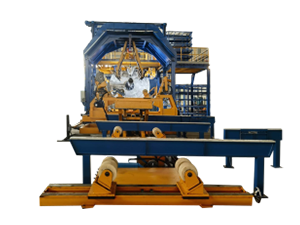
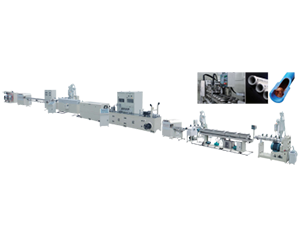
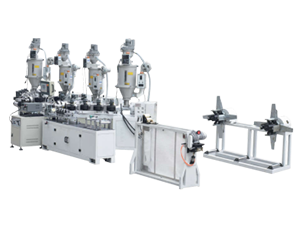
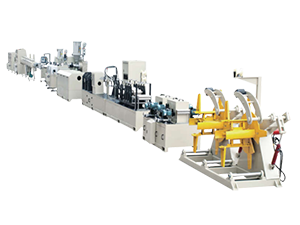
Unlocking the Potential of FRP Pipe Machinery in Modern Manufacturing
Oct 11,2024

Unlocking the Potential of FRP Pipe Machinery in Modern Manufacturing
Table of Contents
- 1. Introduction to FRP Pipe Machinery
- 2. What is FRP and Why is it Important?
- 3. Advantages of FRP Pipe Machinery in Manufacturing
- 4. Applications of FRP Pipe Machinery in Various Industries
- 5. The Manufacturing Process of FRP Pipes
- 6. Future Trends in FRP Technology
- 7. FAQs about FRP Pipe Machinery
- 8. Conclusion
1. Introduction to FRP Pipe Machinery
In today's fast-evolving manufacturing landscape, companies seek innovative solutions to enhance productivity, reliability, and cost-efficiency. **Fiber Reinforced Plastic (FRP)** pipe machinery has emerged as a pivotal technology, providing significant advantages over traditional materials. This article explores the depth and breadth of FRP pipe machinery, highlighting its benefits, applications, and future prospects in modern manufacturing.
2. What is FRP and Why is it Important?
FRP, or **Fiber Reinforced Plastic**, is a composite material made from a polymer matrix reinforced with fibers, typically glass, carbon, or aramid. This combination results in a lightweight yet incredibly strong material that exhibits exceptional mechanical properties. The significance of FRP lies in its ability to replace conventional materials like steel and concrete in a variety of applications, offering a sustainable, durable alternative.
3. Advantages of FRP Pipe Machinery in Manufacturing
The advantages of utilizing FRP pipe machinery are manifold, making it an attractive choice for manufacturers across various sectors.
3.1 Durability and Strength
One of the most prominent features of FRP pipes is their durability. They can withstand a wide range of environmental conditions, including extreme temperatures and pressures, making them suitable for demanding applications. FRP pipes are resistant to impact and fatigue, ensuring a long service life and reducing maintenance costs.
3.2 Lightweight Properties
FRP pipes are significantly lighter than metal counterparts, which simplifies handling and installation. This lightweight nature can lead to reduced transportation costs and easier manipulation during the manufacturing process.
3.3 Corrosion Resistance
Corrosion is a major concern in many industries, especially those dealing with harsh chemicals or environments. FRP pipes are inherently resistant to corrosion, which extends their lifespan and minimizes the need for protective coatings or linings, leading to lower overall operational expenses.
4. Applications of FRP Pipe Machinery in Various Industries
FRP pipe machinery has diverse applications across multiple industries, showcasing its versatility and effectiveness.
4.1 Oil and Gas Industry
In the oil and gas sector, FRP pipes are used extensively for transporting fluids, including oil and natural gas. Their lightweight and corrosion-resistant properties make them ideal for offshore platforms and pipelines, where traditional materials may fail.
4.2 Water Treatment Facilities
FRP pipe machinery plays a crucial role in water treatment and distribution systems. The non-corrosive nature of FRP ensures safe and reliable water transportation, while its durability minimizes breakdowns and maintenance needs.
4.3 Construction Sector
The construction industry benefits from FRP pipes in applications such as drainage systems and structural components. Their strength-to-weight ratio allows for innovative designs and construction methods while maintaining structural integrity.
5. The Manufacturing Process of FRP Pipes
The manufacturing process of FRP pipes involves several critical steps, each contributing to the final product's quality and performance.
**1. Material Selection:** The first step involves selecting the appropriate fiber and resin types based on the intended application. Common fibers include glass, which offers strength and stiffness, and carbon, which provides exceptional performance under stress.
**2. Layup Process:** The fibers are laid out in a mold, and resin is applied either through hand layup, spray-up, or filament winding techniques. Each method varies in complexity and suitability for different pipe sizes and specifications.
**3. Curing:** After the resin is applied, the pipe must undergo a curing process, where heat and pressure are applied to harden the material. This step is crucial for achieving the desired mechanical properties.
**4. Quality Control:** Finally, rigorous quality control measures are implemented to ensure that the pipes meet industry standards and specifications. This includes testing for strength, durability, and resistance to various environmental factors.
6. Future Trends in FRP Technology
The future of FRP pipe machinery looks promising, driven by advancements in material science and manufacturing processes. Key trends include:
**1. Enhanced Material Compositions:** Researchers are focused on developing new resin formulations and fiber types to improve performance characteristics such as thermal stability and impact resistance.
**2. Automation in Manufacturing:** Automation and robotics are increasingly integrated into the FRP manufacturing process, leading to higher consistency, efficiency, and output.
**3. Sustainability Initiatives:** As industries strive for greener solutions, the development of eco-friendly FRP materials and recycling methods is gaining traction, ensuring a sustainable future for FRP technology.
7. FAQs about FRP Pipe Machinery
**Q1: What are the main benefits of using FRP pipes over traditional materials?**
A1: FRP pipes offer superior corrosion resistance, lightweight properties, and enhanced durability, making them ideal for various applications.
**Q2: How does the manufacturing process of FRP pipes differ from traditional pipes?**
A2: The FRP manufacturing process involves composite materials and advanced techniques such as filament winding, which differs from the traditional methods used for metal or concrete pipes.
**Q3: Are FRP pipes suitable for high-temperature applications?**
A3: Yes, FRP pipes can be engineered to withstand high temperatures, making them suitable for specific industrial applications.
**Q4: What industries benefit the most from FRP pipe machinery?**
A4: Key industries include oil and gas, water treatment, and construction, among others.
**Q5: How does FRP compare to PVC pipes?**
A5: While both materials offer lightweight and corrosion resistance, FRP generally has higher strength and can withstand greater environmental stress compared to PVC.
8. Conclusion
In conclusion, **FRP pipe machinery** represents a significant advancement in manufacturing technology, offering numerous advantages that traditional materials cannot match. With its outstanding durability, lightweight properties, and resistance to corrosion, FRP is poised to become a staple across various industries. As manufacturing processes continue to evolve, the integration of **FRP technology** will undoubtedly unlock further potential, driving innovation and efficiency in modern manufacturing. Embracing this transformative technology will not only enhance operational effectiveness but also ensure a sustainable future for industries worldwide.
Contact Us
E-mail:
Phone/Wechat/WhatsApp
Address:
A2-1408, Kaichuang Avenue to Tai Plaza, Huangpu District, Guangzhou City, Guangdong Province
Related Posts

No. 20, Jiangjiang Avenue, Huadu District, Guangzhou City, Guangdong Province, China
sales@huacmachine.com


Huachuang Intelligent Technology