

-
PRODCUTS
-
APPLICATION
-
SERVICE
Understanding FRP Pipe Machinery: Innovations in Composite Manufacturing
Oct 12,2024

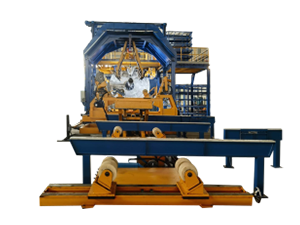
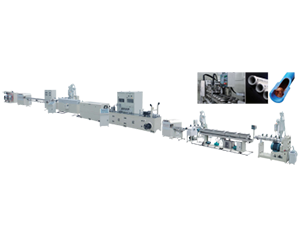
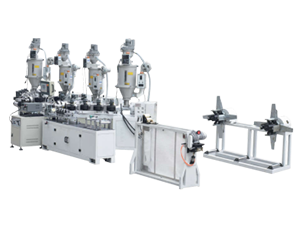
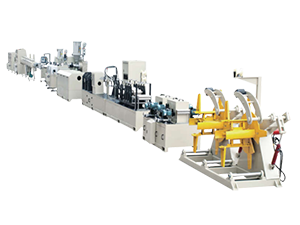
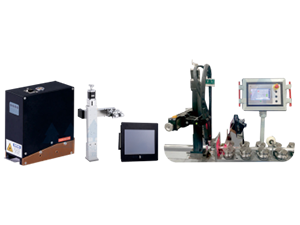
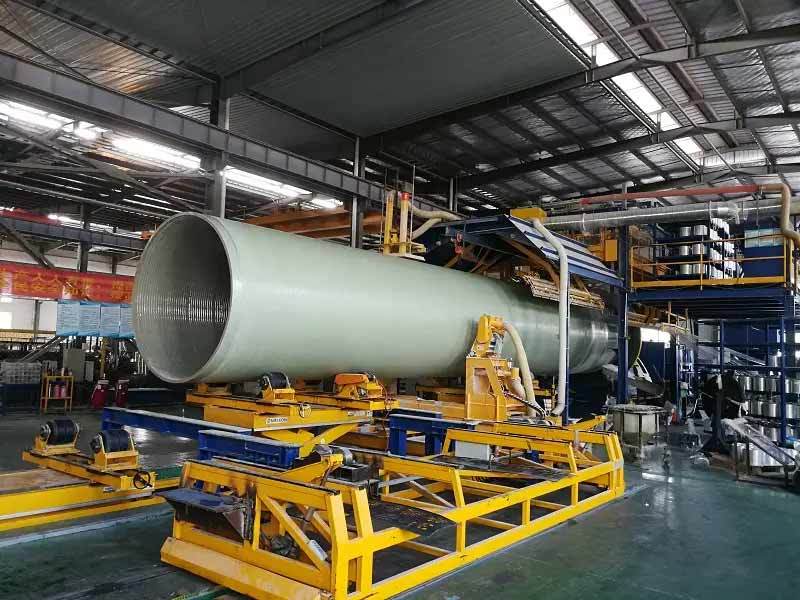
Fiber Reinforced Plastic (FRP) pipe machinery plays a crucial role in the manufacturing landscape, particularly in the production of advanced composite materials. These machines are designed to create pipes using a combination of fibers and resins, resulting in products that offer remarkable strength, durability, and resistance to corrosion. As industries continue to seek innovative solutions to improve efficiency and sustainability, the demand for FRP pipe machinery is on the rise.
One of the primary advantages of using FRP pipes is their lightweight nature. Compared to traditional materials like steel or concrete, FRP pipes significantly reduce transportation and installation costs. The machinery involved in their production is specifically engineered to optimize the blending and curing processes of the fibers and resins, ensuring that the final product meets stringent performance standards.
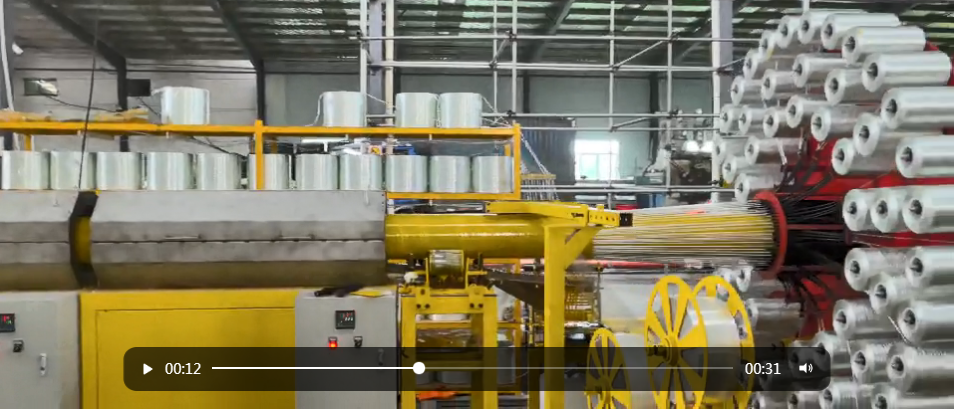
FRP pipe machinery typically integrates advanced technologies such as automated winding systems, which enhance production rates and consistency. The winding method allows for the precise layering of fibers, creating a structure that can withstand high pressures and harsh environmental conditions. Additionally, these machines often feature programmable controls that facilitate adjustments in real-time, allowing manufacturers to swiftly adapt to varying production requirements.
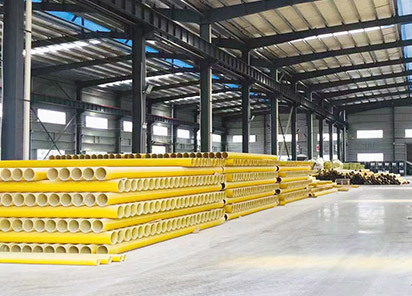
The versatility of FRP pipes extends across numerous applications, from water and wastewater management to chemical processing and oil and gas transportation. Their inherent resistance to chemical attack makes them particularly suitable for industries where exposure to aggressive substances is commonplace. The machinery involved in producing these pipes is thus tailored to meet the specific needs of each application, ensuring optimal performance and longevity.
Moreover, advancements in FRP pipe machinery are consistently pushing the boundaries of what is possible in composite manufacturing. Continuous research and development efforts are focused on enhancing machine capabilities, such as improving energy efficiency and reducing waste during production. These innovations not only lower operational costs but also align with the global movement towards sustainable manufacturing practices.
In conclusion, FRP pipe machinery represents a significant advancement in the field of manufacturing and processing machinery. By leveraging the unique properties of fiber reinforced plastics, these machines enable industries to produce high-performance pipes that meet a variety of demands. As technology continues to evolve, the future of FRP pipe machinery looks promising, paving the way for even greater efficiencies and innovations in the composite manufacturing sector. Understanding these machines and their applications can provide valuable insights for businesses looking to enhance their production processes and product offerings.
One of the primary advantages of using FRP pipes is their lightweight nature. Compared to traditional materials like steel or concrete, FRP pipes significantly reduce transportation and installation costs. The machinery involved in their production is specifically engineered to optimize the blending and curing processes of the fibers and resins, ensuring that the final product meets stringent performance standards.
FRP pipe machinery typically integrates advanced technologies such as automated winding systems, which enhance production rates and consistency. The winding method allows for the precise layering of fibers, creating a structure that can withstand high pressures and harsh environmental conditions. Additionally, these machines often feature programmable controls that facilitate adjustments in real-time, allowing manufacturers to swiftly adapt to varying production requirements.
The versatility of FRP pipes extends across numerous applications, from water and wastewater management to chemical processing and oil and gas transportation. Their inherent resistance to chemical attack makes them particularly suitable for industries where exposure to aggressive substances is commonplace. The machinery involved in producing these pipes is thus tailored to meet the specific needs of each application, ensuring optimal performance and longevity.
Moreover, advancements in FRP pipe machinery are consistently pushing the boundaries of what is possible in composite manufacturing. Continuous research and development efforts are focused on enhancing machine capabilities, such as improving energy efficiency and reducing waste during production. These innovations not only lower operational costs but also align with the global movement towards sustainable manufacturing practices.
In conclusion, FRP pipe machinery represents a significant advancement in the field of manufacturing and processing machinery. By leveraging the unique properties of fiber reinforced plastics, these machines enable industries to produce high-performance pipes that meet a variety of demands. As technology continues to evolve, the future of FRP pipe machinery looks promising, paving the way for even greater efficiencies and innovations in the composite manufacturing sector. Understanding these machines and their applications can provide valuable insights for businesses looking to enhance their production processes and product offerings.
Contact Us
E-mail:
Phone/Wechat/WhatsApp
Address:
A2-1408, Kaichuang Avenue to Tai Plaza, Huangpu District, Guangzhou City, Guangdong Province
Related Posts

No. 20, Jiangjiang Avenue, Huadu District, Guangzhou City, Guangdong Province, China
sales@huacmachine.com


Huachuang Intelligent Technology