

-
PRODCUTS
-
APPLICATION
-
SERVICE
Why FRP Pipe Machinery is Revolutionizing the Manufacturing Industry
Oct 13,2024
Why FRP Pipe Machinery is Revolutionizing the Manufacturing Industry
Table of Contents
- 1. Introduction to FRP Pipe Machinery
- 2. Understanding Fiber Reinforced Plastic (FRP)
- 3. Advantages of FRP Pipes in Manufacturing
- 4. Key Applications of FRP Pipe Machinery
- 5. Technological Advancements in FRP Pipe Production
- 6. The Environmental Benefits of FRP Pipes
- 7. Challenges in FRP Pipe Manufacturing
- 8. The Future of FRP Pipe Machinery
- 9. FAQs about FRP Pipe Machinery
- 10. Conclusion
1. Introduction to FRP Pipe Machinery
The manufacturing industry is consistently evolving, driven by technological advancements and the need for more efficient and sustainable materials. **Fiber Reinforced Plastic (FRP)** pipe machinery stands at the forefront of this transformation, offering innovative solutions that are reshaping traditional manufacturing processes. This article explores the significance of FRP pipe machinery and how it is revolutionizing the manufacturing sector.
2. Understanding Fiber Reinforced Plastic (FRP)
**Fiber Reinforced Plastic (FRP)** is a composite material made from a polymer matrix reinforced with fibers, typically glass, carbon, or aramid. The combination of these materials creates a lightweight yet strong alternative to metals and conventional plastics. FRP materials offer numerous benefits, including high corrosion resistance, excellent tensile strength, and dimensional stability, making them ideal for a variety of applications in the manufacturing industry.
2.1 Composition and Properties of FRP
The composition of FRP includes two primary components: the resin (matrix) and the reinforcing fibers. The resin, usually epoxy or polyester, provides the structural integrity, while the fibers enhance the strength and durability. Key properties of FRP include:
- **Corrosion Resistance**: FRP is highly resistant to chemical attack, ideal for harsh environments.
- **Lightweight**: The low density of FRP makes it easier to handle and install.
- **High Strength-to-Weight Ratio**: Offers superior mechanical properties compared to traditional materials.
- **Thermal Insulation**: FRP materials provide effective thermal insulation, reducing energy costs.
3. Advantages of FRP Pipes in Manufacturing
FRP pipes present a myriad of advantages that significantly enhance manufacturing processes. The key benefits include:
3.1 Cost-Effectiveness
Although the initial investment in FRP pipe machinery may be higher than traditional methods, the long-term savings in maintenance and replacement costs make it a cost-effective choice.
3.2 Enhanced Durability and Lifespan
FRP pipes are designed to withstand extreme conditions, boasting a lifespan of over 50 years. Their durability minimizes the need for frequent replacements, further reducing costs.
3.3 Lightweight and Easy Installation
The lightweight nature of FRP pipes simplifies transportation and installation, leading to reduced labor costs and shorter project timelines.
3.4 Design Flexibility
FRP pipes can be manufactured in various shapes and sizes, allowing for customization based on specific project requirements. This flexibility increases the potential applications within the manufacturing industry.
4. Key Applications of FRP Pipe Machinery
FRP pipe machinery is being employed across various sectors, showcasing its versatility and effectiveness. Notable applications include:
4.1 Oil and Gas Industry
The oil and gas sector benefits significantly from FRP pipes due to their corrosion resistance and strength. They are used in pipelines, storage tanks, and offshore platforms, ensuring safe and efficient operations.
4.2 Water and Wastewater Treatment
In water treatment facilities, FRP pipes are used for transporting chemicals and effluents, where their resistance to corrosion and chemical attack is paramount.
4.3 Chemical Processing
FRP pipes play a crucial role in chemical manufacturing plants, where they are used to transport aggressive chemicals safely and efficiently.
4.4 Construction and Infrastructure
The construction industry utilizes FRP pipes for drainage, sewage systems, and as part of composite structures, enhancing durability and reducing maintenance needs.
5. Technological Advancements in FRP Pipe Production
The evolution of FRP pipe machinery has been propelled by technological innovations. Key advancements include:
5.1 Automated Manufacturing Processes
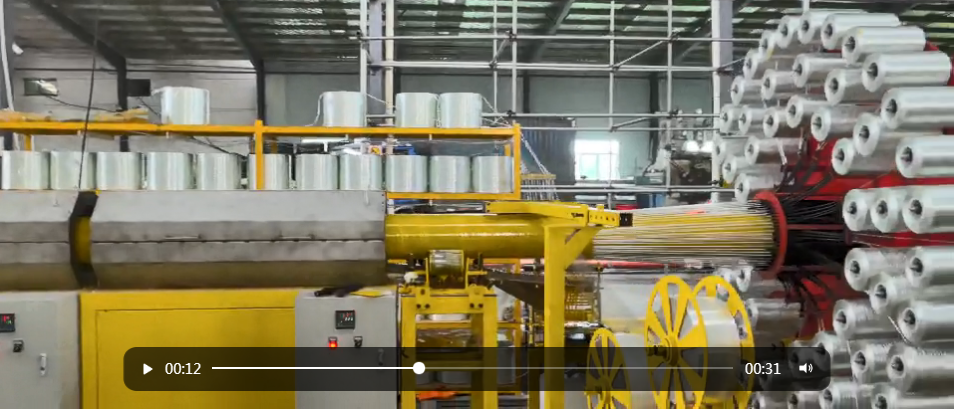
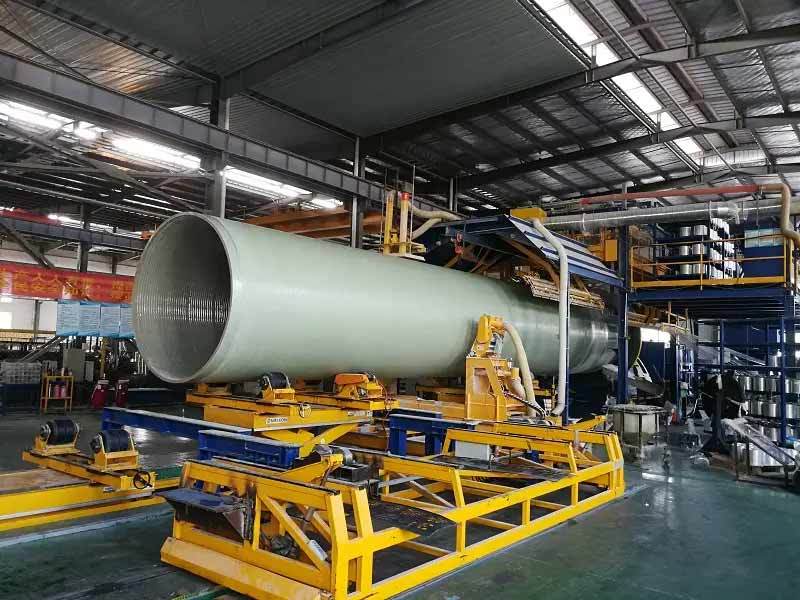
Automation in FRP pipe production enhances efficiency, accuracy, and consistency. Computer-controlled machinery allows for precise measurements and reduced labor costs.
5.2 Advanced Materials and Composites
The development of new composite materials further improves the properties of FRP pipes, making them more lightweight, stronger, and resistant to environmental factors.
5.3 Enhanced Quality Control
Modern FRP pipe machinery incorporates advanced quality control systems, ensuring that each pipe meets stringent industry standards.
6. The Environmental Benefits of FRP Pipes
As industries move towards more sustainable practices, FRP pipes offer numerous environmental advantages:
6.1 Reduced Carbon Footprint
The manufacturing process of FRP pipes often consumes less energy compared to traditional materials, resulting in a lower carbon footprint.
6.2 Recyclability
Many FRP materials can be recycled, contributing to a circular economy and reducing waste in manufacturing processes.
6.3 Water Conservation
The longevity and durability of FRP pipes contribute to efficient water management, helping to conserve this vital resource.
7. Challenges in FRP Pipe Manufacturing
Despite the advantages, there are challenges associated with FRP pipe manufacturing that require attention:
7.1 High Initial Costs
The initial investment in FRP pipe machinery and materials can be a barrier for some manufacturers, especially small and medium enterprises.
7.2 Limited Awareness and Knowledge
The relatively new technology means that there is still limited understanding among manufacturers regarding the full potential of FRP pipes.
7.3 Regulatory Compliance
Navigating the regulatory landscape for composite materials can be complex, requiring manufacturers to stay updated on standards and certifications.
8. The Future of FRP Pipe Machinery
The future of FRP pipe machinery looks promising as industries increasingly recognize the benefits of these advanced materials. Innovations in production techniques, materials science, and design will likely drive further adoption across various sectors.
8.1 Integration of Smart Technologies
The incorporation of IoT and smart technologies in FRP manufacturing could enhance monitoring and maintenance processes, leading to smarter manufacturing solutions.
8.2 Growing Demand in Emerging Markets
As developing economies invest in infrastructure, the demand for durable and efficient materials like FRP pipes is expected to rise, opening new markets for manufacturers.
9. FAQs about FRP Pipe Machinery
What is FRP pipe machinery?
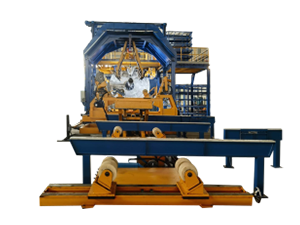
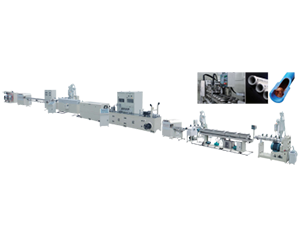
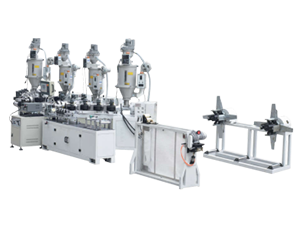
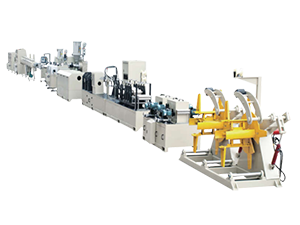
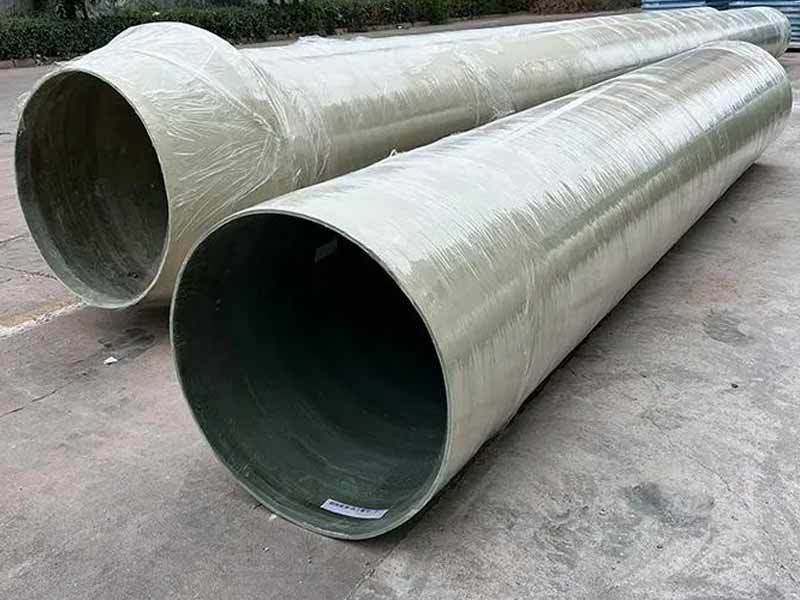
FRP pipe machinery refers to the equipment used in the production of Fiber Reinforced Plastic pipes, which are utilized in a variety of industries for their durability and resistance to corrosion.
What are the benefits of using FRP pipes?
FRP pipes offer numerous benefits, including high corrosion resistance, lightweight properties, long lifespan, and design flexibility, making them ideal for various applications.
How does FRP compare to traditional piping materials?
FRP pipes are generally more durable and resistant to environmental factors than traditional materials like steel or PVC, resulting in lower maintenance costs in the long run.
In which industries are FRP pipes most commonly used?
FRP pipes are widely used in the oil and gas industry, water and wastewater treatment, chemical processing, and construction sectors.
What challenges does the FRP pipe industry face?
The FRP pipe industry faces challenges such as high initial costs, limited awareness among manufacturers, and complexities related to regulatory compliance.
10. Conclusion
The advent of **FRP pipe machinery** marks a significant turning point in the manufacturing industry, offering innovative solutions that address many of the challenges faced by traditional materials. With their unique properties, FRP pipes provide cost-effective, durable, and environmentally friendly alternatives for various applications. As technology continues to advance, we anticipate even greater adoption and refinement of FRP pipe machinery, paving the way for a more efficient and sustainable manufacturing landscape. The potential of FRP pipes is immense, and their impact will undoubtedly shape the future of manufacturing for years to come.
Contact Us
E-mail:
Phone/Wechat/WhatsApp
Address:
A2-1408, Kaichuang Avenue to Tai Plaza, Huangpu District, Guangzhou City, Guangdong Province
Related Posts


No. 20, Jiangjiang Avenue, Huadu District, Guangzhou City, Guangdong Province, China
sales@huacmachine.com


Huachuang Intelligent Technology