

-
PRODCUTS
-
APPLICATION
-
SERVICE
Understanding FRP Pipe Machinery: The Future of Manufacturing
Oct 14,2024
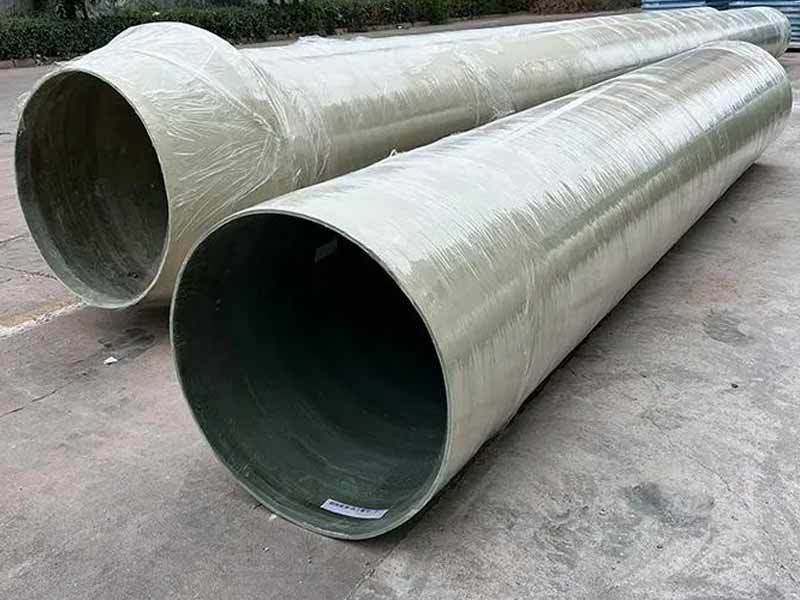
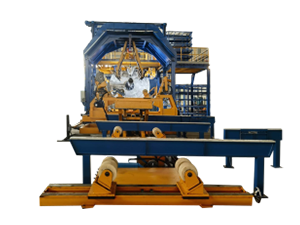
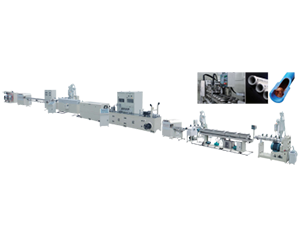
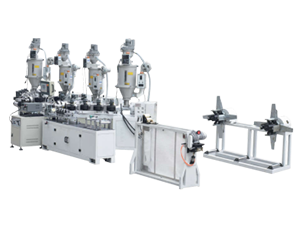
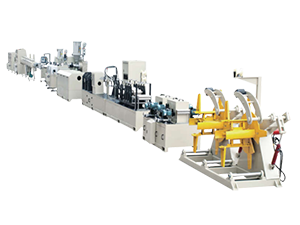
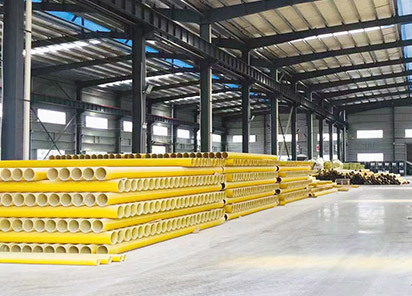
Fiber Reinforced Plastic (FRP) Pipe Machinery represents a significant advancement in the manufacturing and processing industries. This technology involves the utilization of composite materials that combine polymers with fiber reinforcements, enhancing strength and durability while maintaining a lightweight structure. The unique properties of FRP materials make them ideal for various applications, including chemical processing, water management, and construction.
One of the key advantages of FRP Pipe Machinery is its resistance to corrosion. Traditional materials like steel or concrete often succumb to chemical degradation, leading to increased maintenance costs and potential downtime. In contrast, FRP pipes can withstand harsh chemicals and extreme environmental conditions, making them a reliable choice for industries dealing with corrosive substances.
Furthermore, FRP Pipe Machinery allows for the production of pipes in various shapes and sizes, catering to specific industry requirements. The manufacturing process can be tailored to create pipes that are not only lightweight but also possess high tensile strength and flexibility. This adaptability is essential for applications that require complex piping systems or customized solutions.
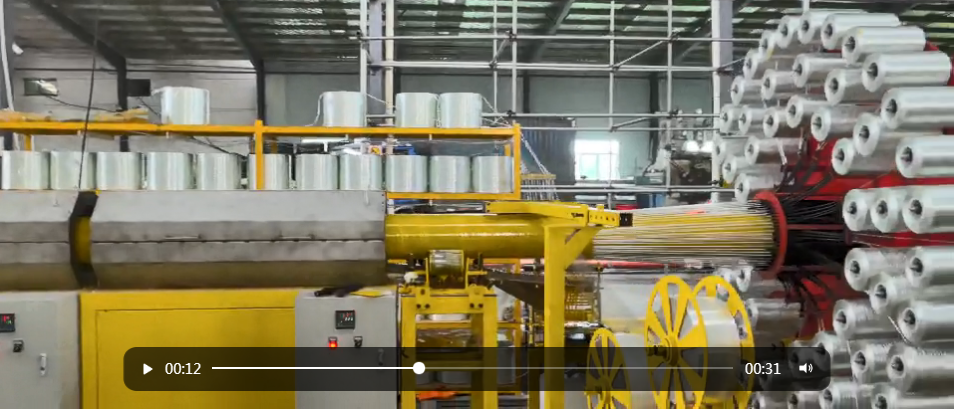
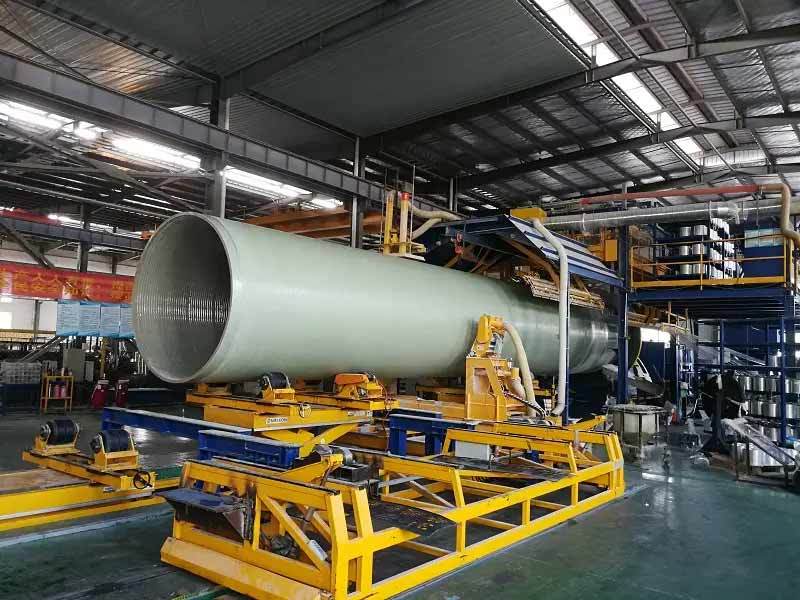
The manufacturing process itself typically involves several stages, including resin preparation, fiber placement, and curing. Advanced techniques such as filament winding or resin transfer molding are often employed to enhance the efficiency and quality of the final product. As a result, FRP Pipe Machinery can produce components with precise specifications and superior mechanical properties.
In addition to their physical strengths, FRP pipes contribute to sustainability efforts within the manufacturing sector. Their long lifespan and low maintenance requirements reduce the need for frequent replacements, leading to lower resource consumption over time. Additionally, many FRP materials can be recycled, further minimizing environmental impact.
The versatility of FRP Pipe Machinery extends beyond traditional applications. Industries such as renewable energy, telecommunications, and aerospace are increasingly recognizing the potential of FRP materials for piping and structural components. As technology advances, the range of applications for FRP pipes is expected to expand even further, driving innovation in manufacturing processes.
In conclusion, FRP Pipe Machinery stands at the forefront of modern manufacturing technology. With its exceptional properties, adaptability, and sustainability benefits, it is poised to play a vital role in various industries. As manufacturers continue to explore new applications for FRP materials, the future of FRP Pipe Machinery looks promising, heralding a new era of efficiency and environmental responsibility in manufacturing.
One of the key advantages of FRP Pipe Machinery is its resistance to corrosion. Traditional materials like steel or concrete often succumb to chemical degradation, leading to increased maintenance costs and potential downtime. In contrast, FRP pipes can withstand harsh chemicals and extreme environmental conditions, making them a reliable choice for industries dealing with corrosive substances.
Furthermore, FRP Pipe Machinery allows for the production of pipes in various shapes and sizes, catering to specific industry requirements. The manufacturing process can be tailored to create pipes that are not only lightweight but also possess high tensile strength and flexibility. This adaptability is essential for applications that require complex piping systems or customized solutions.
The manufacturing process itself typically involves several stages, including resin preparation, fiber placement, and curing. Advanced techniques such as filament winding or resin transfer molding are often employed to enhance the efficiency and quality of the final product. As a result, FRP Pipe Machinery can produce components with precise specifications and superior mechanical properties.
In addition to their physical strengths, FRP pipes contribute to sustainability efforts within the manufacturing sector. Their long lifespan and low maintenance requirements reduce the need for frequent replacements, leading to lower resource consumption over time. Additionally, many FRP materials can be recycled, further minimizing environmental impact.
The versatility of FRP Pipe Machinery extends beyond traditional applications. Industries such as renewable energy, telecommunications, and aerospace are increasingly recognizing the potential of FRP materials for piping and structural components. As technology advances, the range of applications for FRP pipes is expected to expand even further, driving innovation in manufacturing processes.
In conclusion, FRP Pipe Machinery stands at the forefront of modern manufacturing technology. With its exceptional properties, adaptability, and sustainability benefits, it is poised to play a vital role in various industries. As manufacturers continue to explore new applications for FRP materials, the future of FRP Pipe Machinery looks promising, heralding a new era of efficiency and environmental responsibility in manufacturing.
Contact Us
E-mail:
Phone/Wechat/WhatsApp
Address:
A2-1408, Kaichuang Avenue to Tai Plaza, Huangpu District, Guangzhou City, Guangdong Province
Related Posts


No. 20, Jiangjiang Avenue, Huadu District, Guangzhou City, Guangdong Province, China
sales@huacmachine.com


Huachuang Intelligent Technology