

-
PRODCUTS
-
APPLICATION
-
SERVICE
Understanding GRP Production Lines: Key Insights for the Manufacturing Sector
Oct 16,2024
---
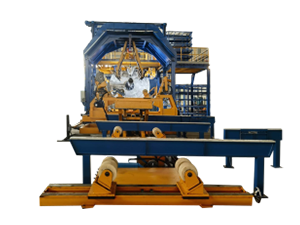
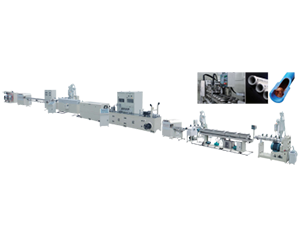
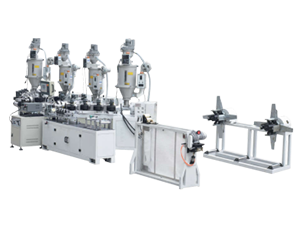
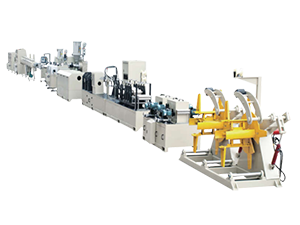
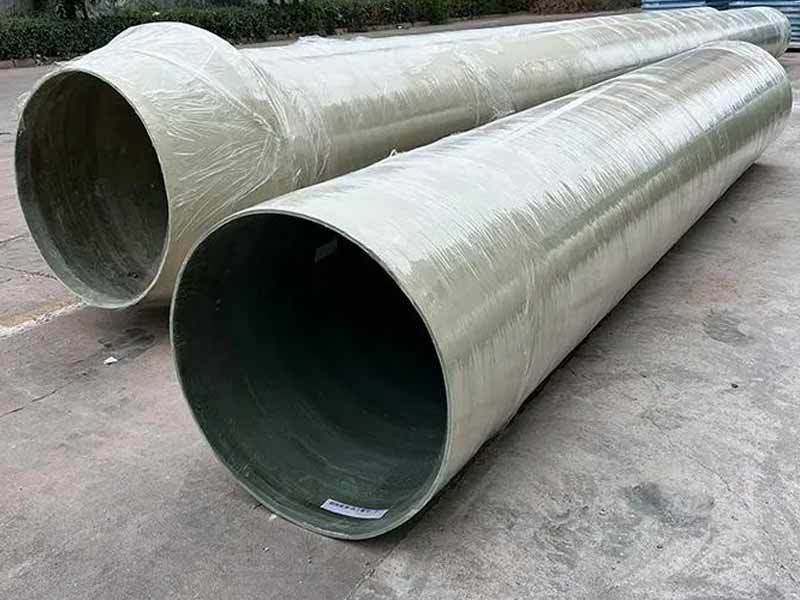
Glass Reinforced Plastic (GRP) production lines play an essential role in various manufacturing sectors, particularly in industries where lightweight yet durable materials are crucial. GRP, also known as fiberglass, combines glass fibers with a polymer matrix, resulting in a composite material that offers high strength-to-weight ratios, corrosion resistance, and design flexibility. Understanding how GRP production lines operate can significantly benefit manufacturers looking to enhance their production capabilities.
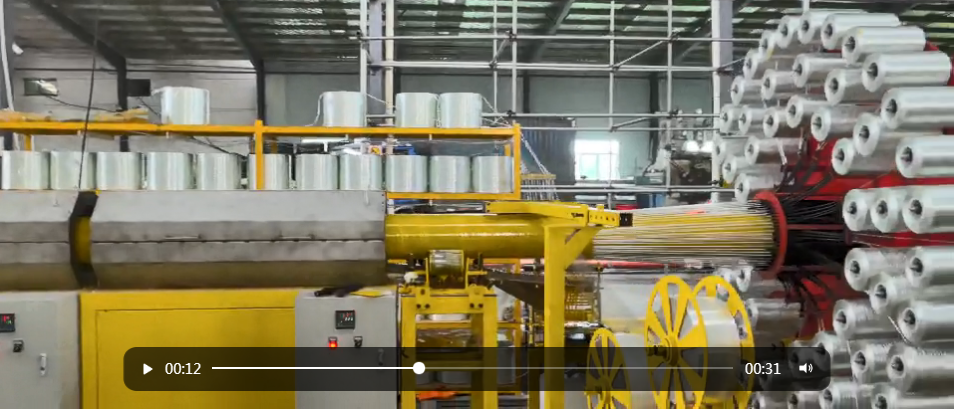
A typical GRP production line involves several stages, including material preparation, molding, curing, and finishing. The first step is to prepare the raw materials, which include glass fibers and resin. The choice of resin can vary based on the specific application requirements, affecting the final product's properties such as flexibility and temperature resistance. Proper handling and mixing of these materials are vital to ensure uniformity and performance.
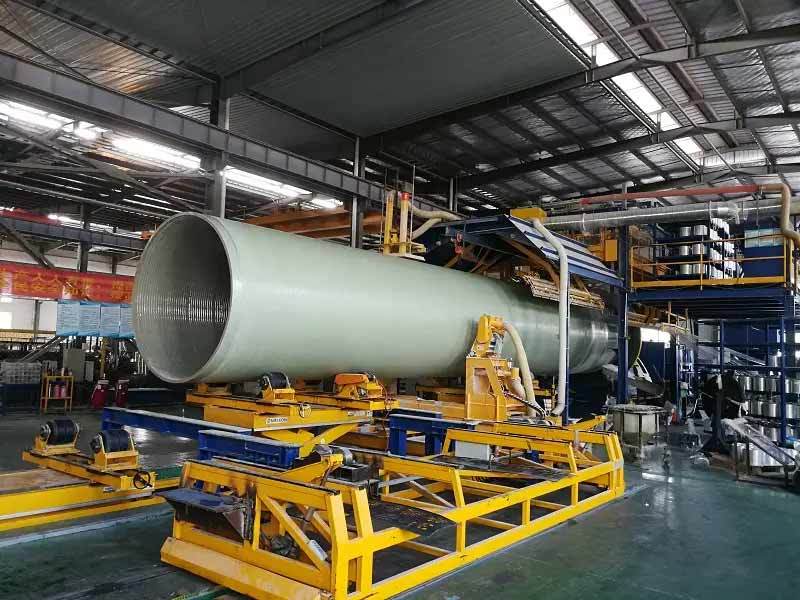
The next stage is the molding process, where the prepared materials are formed into specific shapes. There are various molding techniques for GRP production, including hand lay-up, spray-up, and closed molding. Hand lay-up is a manual process where layers of glass fiber are laid into a mold and then saturated with resin. Spray-up involves spraying chopped glass fibers and resin simultaneously into the mold, providing faster production cycles. Closed molding techniques, such as vacuum infusion, can improve material usage and reduce emissions, making them increasingly popular for high-volume production.
Once the materials are molded, they undergo a curing process, which solidifies the resin and hardens the composite structure. The curing can be facilitated by heat or ambient conditions, depending on the resin type used. Proper curing is critical as it affects the mechanical properties and overall durability of the GRP products. Manufacturers must monitor the curing environment closely to ensure optimal results.
After curing, the GRP components go through finishing processes that may include trimming, sanding, and surface treatment. This stage ensures that the products meet specific specifications and aesthetic standards. Quality control is essential throughout the entire production line to detect any defects early and reduce waste.
In conclusion, a well-optimized GRP production line can lead to more efficient manufacturing processes and high-quality end products. Understanding the intricacies of GRP production helps manufacturers make informed decisions about materials and methods, ultimately enhancing their competitiveness in the market. The versatility and strength of GRP make it a valuable asset in various applications, from automotive components to construction materials. As industries continue to evolve, the significance of GRP production lines is set to grow, paving the way for innovative solutions and improved manufacturing practices.
Glass Reinforced Plastic (GRP) production lines play an essential role in various manufacturing sectors, particularly in industries where lightweight yet durable materials are crucial. GRP, also known as fiberglass, combines glass fibers with a polymer matrix, resulting in a composite material that offers high strength-to-weight ratios, corrosion resistance, and design flexibility. Understanding how GRP production lines operate can significantly benefit manufacturers looking to enhance their production capabilities.
A typical GRP production line involves several stages, including material preparation, molding, curing, and finishing. The first step is to prepare the raw materials, which include glass fibers and resin. The choice of resin can vary based on the specific application requirements, affecting the final product's properties such as flexibility and temperature resistance. Proper handling and mixing of these materials are vital to ensure uniformity and performance.
The next stage is the molding process, where the prepared materials are formed into specific shapes. There are various molding techniques for GRP production, including hand lay-up, spray-up, and closed molding. Hand lay-up is a manual process where layers of glass fiber are laid into a mold and then saturated with resin. Spray-up involves spraying chopped glass fibers and resin simultaneously into the mold, providing faster production cycles. Closed molding techniques, such as vacuum infusion, can improve material usage and reduce emissions, making them increasingly popular for high-volume production.
Once the materials are molded, they undergo a curing process, which solidifies the resin and hardens the composite structure. The curing can be facilitated by heat or ambient conditions, depending on the resin type used. Proper curing is critical as it affects the mechanical properties and overall durability of the GRP products. Manufacturers must monitor the curing environment closely to ensure optimal results.
After curing, the GRP components go through finishing processes that may include trimming, sanding, and surface treatment. This stage ensures that the products meet specific specifications and aesthetic standards. Quality control is essential throughout the entire production line to detect any defects early and reduce waste.
In conclusion, a well-optimized GRP production line can lead to more efficient manufacturing processes and high-quality end products. Understanding the intricacies of GRP production helps manufacturers make informed decisions about materials and methods, ultimately enhancing their competitiveness in the market. The versatility and strength of GRP make it a valuable asset in various applications, from automotive components to construction materials. As industries continue to evolve, the significance of GRP production lines is set to grow, paving the way for innovative solutions and improved manufacturing practices.
Contact Us
E-mail:
Phone/Wechat/WhatsApp
Address:
A2-1408, Kaichuang Avenue to Tai Plaza, Huangpu District, Guangzhou City, Guangdong Province
Related Posts


No. 20, Jiangjiang Avenue, Huadu District, Guangzhou City, Guangdong Province, China
sales@huacmachine.com


Huachuang Intelligent Technology