

-
PRODCUTS
-
APPLICATION
-
SERVICE
Expanding Your Business: The Need for a Versatile GRP Production Line
Oct 17,2024

Expanding Your Business: The Need for a Versatile GRP Production Line
Table of Contents
- 1. Introduction: The Growing Demand for GRP Solutions
- 2. Understanding GRP: What You Need to Know
- 3. The Benefits of a Versatile GRP Production Line
- 3.1 Cost-Effectiveness in Manufacturing
- 3.2 Enhanced Quality and Durability
- 3.3 Flexibility and Customization Opportunities
- 4. Key Components of a GRP Production Line
- 5. Market Demand for GRP Products
- 6. Choosing the Right GRP Production Line for Your Business
- 7. Case Studies: Success Stories of GRP Implementation
- 8. Frequently Asked Questions (FAQs)
- 9. Conclusion: Taking the Next Steps
1. Introduction: The Growing Demand for GRP Solutions
The manufacturing landscape has undergone significant changes in recent years, driven by technological advancements and evolving market demands. One material that has gained immense popularity is **Glass Reinforced Plastic (GRP)**. Known for its strength, versatility, and lightweight properties, GRP has become a go-to material in various industries, from automotive to construction.
As businesses strive to expand their operations and meet increasing consumer demands, investing in a **versatile GRP production line** can provide a competitive edge. This article explores the essential aspects of GRP production lines, their benefits, and the strategic advantages they offer.
2. Understanding GRP: What You Need to Know
**Glass Reinforced Plastic (GRP)**, also known as fiberglass, is a composite material made from a polymer matrix reinforced with glass fibers. This combination results in a material that exhibits exceptional strength-to-weight ratios, corrosion resistance, and thermal stability. GRP can be molded into various shapes and forms, making it ideal for diverse applications.
The versatility of GRP allows it to be used in various sectors, including:
- **Aerospace**: Lightweight components that improve fuel efficiency.
- **Automotive**: Durable body panels and structural components.
- **Marine**: Boat hulls and other watercraft parts that resist moisture.
- **Construction**: Architectural elements, roofing systems, and storage tanks.
Understanding the properties and applications of GRP is crucial for businesses looking to leverage this material in their production processes.
3. The Benefits of a Versatile GRP Production Line
Investing in a versatile GRP production line offers numerous advantages, making it an essential component for businesses seeking growth and innovation. Here, we delve into some of the key benefits.
3.1 Cost-Effectiveness in Manufacturing
One of the primary reasons businesses opt for GRP production lines is the cost-effectiveness they offer. The lightweight nature of GRP reduces shipping and handling costs significantly. Additionally, the durability of GRP products leads to lower maintenance and replacement costs over time, making it a wise long-term investment.
3.2 Enhanced Quality and Durability
The manufacturing process of GRP ensures that the final products exhibit enhanced quality and durability. The unique properties of glass fibers contribute to the strength and resistance of the material against environmental factors, leading to longer-lasting products. This quality assurance can enhance brand reputation and customer satisfaction.
3.3 Flexibility and Customization Opportunities
A versatile GRP production line allows manufacturers to create a wide range of products tailored to diverse customer needs. The ability to customize shapes, sizes, and specifications provides a competitive advantage in meeting unique market demands. This flexibility opens doors for innovation and new product development.
4. Key Components of a GRP Production Line
To maximize the benefits of a GRP production line, it's essential to understand the key components that contribute to its functionality and efficiency.
4.1 Essential Equipment for GRP Production
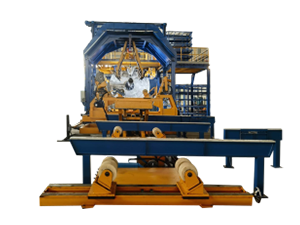
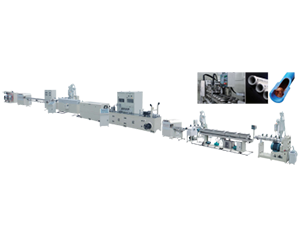
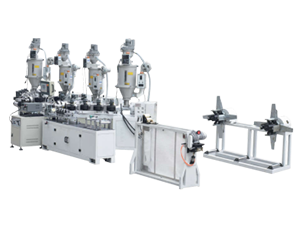
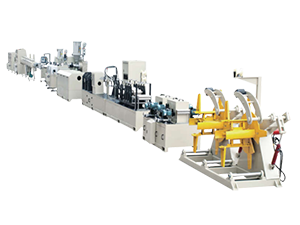
A typical GRP production line consists of several essential pieces of equipment, including:
- **Mixing Tanks**: Used for combining resin and hardeners to prepare the composite mixture.
- **Molding Machines**: Vital for shaping the GRP into desired forms using molds.
- **Curing Ovens**: Ensures proper curing of the GRP materials to achieve optimal strength.
- **Cutting and Finishing Tools**: For post-production processing to ensure precision and quality.
Investing in high-quality equipment is crucial for maximizing production efficiency and product quality.
4.2 Understanding the Production Process
The GRP production process involves several stages, each critical to the final product's quality:
1. **Preparation**: It begins with preparing the glass fibers and resin mixture.
2. **Molding**: The mixture is poured into molds to achieve the desired shapes.
3. **Curing**: The molds are then placed in curing ovens to harden the material.
4. **Post-Processing**: Finally, the products undergo cutting, finishing, and quality checks.
Understanding each step in the production process is vital for maintaining quality control and optimizing efficiency.
5. Market Demand for GRP Products
The demand for GRP products continues to grow, driven by the need for lightweight, durable, and corrosion-resistant materials across various industries. As sustainability becomes a focal point for consumers and businesses alike, GRP’s eco-friendly characteristics further bolster its market appeal.
Industries such as renewable energy, particularly wind and solar, are increasingly utilizing GRP in their infrastructure, leading to an upsurge in demand. Companies that invest in GRP production lines position themselves to tap into these emerging markets, ensuring long-term growth and profitability.
6. Choosing the Right GRP Production Line for Your Business
Selecting the right GRP production line is a crucial step in ensuring the success of your manufacturing operation. With various options available, it's essential to consider several factors.
6.1 Key Considerations for Selection
When choosing a GRP production line, consider the following:
- **Production Capacity**: Assess your business needs and choose a line that can meet your production goals.
- **Customization Options**: Look for a line that allows for flexibility in product design and specifications.
- **Technology Integration**: Invest in modern technology that enhances efficiency and reduces energy consumption.
- **After-Sales Support**: Ensure that the manufacturer offers adequate support and maintenance services.
Making informed decisions based on these considerations can significantly affect your production capabilities and profitability.
7. Case Studies: Success Stories of GRP Implementation
Real-world examples illustrate the transformative impact of GRP production lines on businesses.
**Case Study 1: Aerospace Manufacturer**
A leading aerospace company implemented a GRP production line to manufacture lightweight components. By reducing the weight of their aircraft parts, they improved fuel efficiency, resulting in significant cost savings and enhanced performance.
**Case Study 2: Construction Firm**
A construction firm specializing in eco-friendly buildings adopted a versatile GRP production line to create roofing systems. The durability and insulation properties of GRP allowed them to offer high-quality, energy-efficient solutions to their clients, leading to increased market share.
These success stories demonstrate the diverse applications and benefits of GRP production lines across various industries.
8. Frequently Asked Questions (FAQs)
1. What is GRP?
Glass Reinforced Plastic (GRP) is a composite material made from a polymer matrix reinforced with glass fibers, known for its strength, lightweight, and corrosion resistance.
2. What are the advantages of using a GRP production line?
Investing in a GRP production line offers cost-effectiveness, enhanced product quality and durability, and flexibility for customization.
3. In which industries is GRP commonly used?
GRP is widely used in industries such as aerospace, automotive, marine, and construction due to its versatile properties.
4. What should I consider when choosing a GRP production line?
Consider factors such as production capacity, customization options, technology integration, and after-sales support when selecting a GRP production line.
5. How does GRP contribute to sustainability?
GRP materials are often more durable and require less maintenance, leading to a lower environmental impact over their lifecycle.
9. Conclusion: Taking the Next Steps
Investing in a versatile GRP production line is not merely a strategic decision; it is an opportunity to enhance your manufacturing capabilities and meet the growing market demands for high-quality, sustainable products. By understanding the benefits, components, and market potential of GRP, businesses can position themselves for success in an increasingly competitive landscape.
Embracing innovation and technology in your production processes can lead to better quality products, reduced costs, and increased customer satisfaction. As the manufacturing industry continues to evolve, the adoption of GRP production lines will undoubtedly play a pivotal role in shaping the future of manufacturing. Take the next step toward innovation and sustainability by exploring the possibilities of a versatile GRP production line today.
Contact Us
E-mail:
Phone/Wechat/WhatsApp
Address:
A2-1408, Kaichuang Avenue to Tai Plaza, Huangpu District, Guangzhou City, Guangdong Province
Related Posts

No. 20, Jiangjiang Avenue, Huadu District, Guangzhou City, Guangdong Province, China
sales@huacmachine.com


Huachuang Intelligent Technology