

-
PRODCUTS
-
APPLICATION
-
SERVICE
Understanding GRP Production Lines: A Comprehensive Guide for Industry Professionals
Oct 18,2024

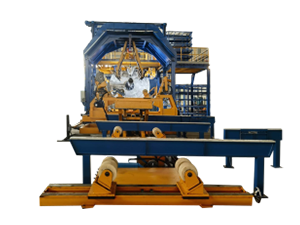
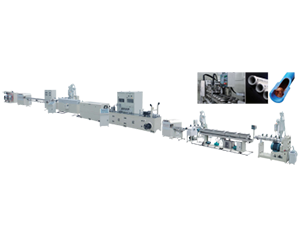
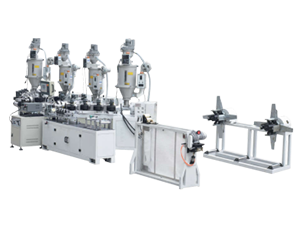
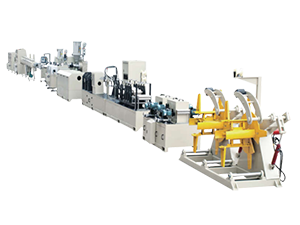
Glass Reinforced Plastic (GRP) production lines are essential in the manufacturing sector, particularly for industries that require lightweight yet durable materials. GRP, also known as fiberglass, is a composite material made from a polymer matrix reinforced with glass fibers. The production process involves several intricate steps that ensure the final product meets the desired specifications and quality standards.
A typical GRP production line consists of multiple stages, including material preparation, molding, curing, and finishing. Initially, raw materials such as resins and glass fibers are prepared. This stage may involve cutting fibers to the required lengths and mixing resins with hardeners to facilitate the curing process. Precise control during this phase is crucial, as it influences the material properties of the final product.
The molding stage is where the prepared materials are shaped into their final form. This can be achieved through various methods, including hand lay-up, spray-up, and closed mold processes such as RTM (Resin Transfer Molding) or infusion techniques. Each method has its unique advantages, with some offering improved surface finish and reduced labor costs.
Once molded, the GRP components undergo curing, a process that allows the resin to harden and bond with the glass fibers. Curing can take place at room temperature or may be accelerated through the application of heat, depending on the specific materials and desired outcome. Effective curing is vital for ensuring the structural integrity and performance of the GRP products.
The finishing stage involves trimming, sanding, and applying surface coatings to enhance the aesthetic appeal and protection of the GRP components. This step not only improves the visual quality but also contributes to the longevity of the products in various applications, such as automotive, marine, and construction sectors.
Incorporating advanced technologies into GRP production lines can significantly improve efficiency and quality. Automation, for instance, streamlines processes, reduces labor costs, and minimizes human error. Additionally, innovations such as real-time monitoring systems can provide valuable data analytics, allowing manufacturers to optimize their production processes and ensure consistent quality control.
Moreover, the sustainability aspect of GRP production is gaining importance. Manufacturers are increasingly focused on minimizing waste and exploring recycling options for GRP materials. This shift not only aligns with global sustainability goals but also offers manufacturers a competitive edge in an increasingly eco-conscious market.
In summary, understanding the complexities of GRP production lines is essential for professionals in the manufacturing sector. By leveraging advanced technologies and adhering to best practices, companies can enhance their production capabilities, improve product quality, and meet the evolving demands of their markets.
A typical GRP production line consists of multiple stages, including material preparation, molding, curing, and finishing. Initially, raw materials such as resins and glass fibers are prepared. This stage may involve cutting fibers to the required lengths and mixing resins with hardeners to facilitate the curing process. Precise control during this phase is crucial, as it influences the material properties of the final product.
The molding stage is where the prepared materials are shaped into their final form. This can be achieved through various methods, including hand lay-up, spray-up, and closed mold processes such as RTM (Resin Transfer Molding) or infusion techniques. Each method has its unique advantages, with some offering improved surface finish and reduced labor costs.
Once molded, the GRP components undergo curing, a process that allows the resin to harden and bond with the glass fibers. Curing can take place at room temperature or may be accelerated through the application of heat, depending on the specific materials and desired outcome. Effective curing is vital for ensuring the structural integrity and performance of the GRP products.
The finishing stage involves trimming, sanding, and applying surface coatings to enhance the aesthetic appeal and protection of the GRP components. This step not only improves the visual quality but also contributes to the longevity of the products in various applications, such as automotive, marine, and construction sectors.
Incorporating advanced technologies into GRP production lines can significantly improve efficiency and quality. Automation, for instance, streamlines processes, reduces labor costs, and minimizes human error. Additionally, innovations such as real-time monitoring systems can provide valuable data analytics, allowing manufacturers to optimize their production processes and ensure consistent quality control.
Moreover, the sustainability aspect of GRP production is gaining importance. Manufacturers are increasingly focused on minimizing waste and exploring recycling options for GRP materials. This shift not only aligns with global sustainability goals but also offers manufacturers a competitive edge in an increasingly eco-conscious market.
In summary, understanding the complexities of GRP production lines is essential for professionals in the manufacturing sector. By leveraging advanced technologies and adhering to best practices, companies can enhance their production capabilities, improve product quality, and meet the evolving demands of their markets.
Contact Us
E-mail:
Phone/Wechat/WhatsApp
Address:
A2-1408, Kaichuang Avenue to Tai Plaza, Huangpu District, Guangzhou City, Guangdong Province
Related Posts


No. 20, Jiangjiang Avenue, Huadu District, Guangzhou City, Guangdong Province, China
sales@huacmachine.com


Huachuang Intelligent Technology