

-
PRODCUTS
-
APPLICATION
-
SERVICE
Why GRP Plants Are Essential for Efficient Production Processes
Oct 21,2024
Why GRP Plants Are Essential for Efficient Production Processes
Table of Contents
- Introduction to GRP Plants
- What is Glass Reinforced Plastic (GRP)?
- Advantages of GRP Plants for Manufacturing
- Applications of GRP in Various Industries
- How GRP Plants Enhance Efficiency in Production Processes
- Sustainability and Environmental Benefits of GRP Technology
- Challenges and Limitations of GRP Plants
- The Future of GRP Plants in Manufacturing
- Conclusion
- FAQs about GRP Plants
Introduction to GRP Plants
In today’s fast-paced manufacturing landscape, companies are constantly seeking innovative solutions to enhance efficiency and reduce costs. Glass Reinforced Plastic (GRP) plants have emerged as a pivotal technology in achieving these goals. With their unique properties and versatile applications, GRP plants play an essential role in streamlining production processes across various industries.
What is Glass Reinforced Plastic (GRP)?
Glass Reinforced Plastic, commonly known as GRP, is a composite material made of a polymer matrix reinforced with glass fibers. This combination results in a lightweight yet incredibly strong material that can withstand a variety of environmental conditions. GRP is known for its excellent corrosion resistance, high strength-to-weight ratio, and versatility, making it a favored choice for many manufacturing applications.
Advantages of GRP Plants for Manufacturing
The incorporation of GRP technology in manufacturing plants provides numerous benefits that are pivotal for operational success.
1. Enhanced Strength and Durability
GRP plants are built to last. The composite material possesses remarkable strength, enabling it to endure harsh conditions without succumbing to wear and tear. This durability translates to lower maintenance costs and minimized downtime, crucial factors in maintaining efficient production schedules.
2. Lightweight Composition
The lightweight nature of GRP significantly reduces transportation and handling costs. As companies strive to optimize logistics, using GRP structures can lead to substantial savings in shipping and labor.
3. Corrosion Resistance
One of the standout features of GRP is its exceptional resistance to corrosion. Unlike traditional materials, GRP does not rust or degrade when exposed to chemicals or moisture, making it ideal for use in challenging environments like chemical processing and marine applications.
4. Design Flexibility
GRP can be molded into virtually any shape, providing manufacturers the flexibility to create custom products tailored to specific needs. This adaptability is crucial in meeting the evolving demands of various industries.
5. Cost-Effectiveness
While the initial investment in GRP technology may be higher than conventional materials, the long-term savings in maintenance, operational efficiency, and product lifespan make it a cost-effective choice for many manufacturers.
Applications of GRP in Various Industries
The versatility of GRP plants extends across multiple sectors, each benefiting from its unique properties.
1. Construction and Infrastructure
In the construction industry, GRP is used for everything from structural components to roofing systems. Its lightweight and durable nature make it an excellent choice for building materials, reducing the overall weight of structures while maintaining integrity.
2. Chemical Processing
GRP’s corrosion resistance makes it a popular material in chemical processing plants. Tanks, pipes, and vessels made from GRP can handle harsh chemicals without degrading, ensuring safety and longevity.
3. Automotive and Transportation
The automotive industry frequently utilizes GRP for manufacturing lightweight components that improve fuel efficiency. GRP parts contribute to reducing the overall weight of vehicles, enhancing performance without compromising safety.
4. Marine Applications
GRP is extensively used in the marine industry for boat hulls and decks due to its resistance to water and chemicals. The lightweight and robust properties of GRP make it ideal for constructing vessels that require durability and performance.
5. Aerospace
In aerospace, GRP is used in various components for its lightweight characteristics, contributing to improved fuel efficiency and performance in aircraft design.
How GRP Plants Enhance Efficiency in Production Processes
Integrating GRP technology in production processes leads to significant enhancements in overall efficiency.
1. Streamlined Manufacturing Processes
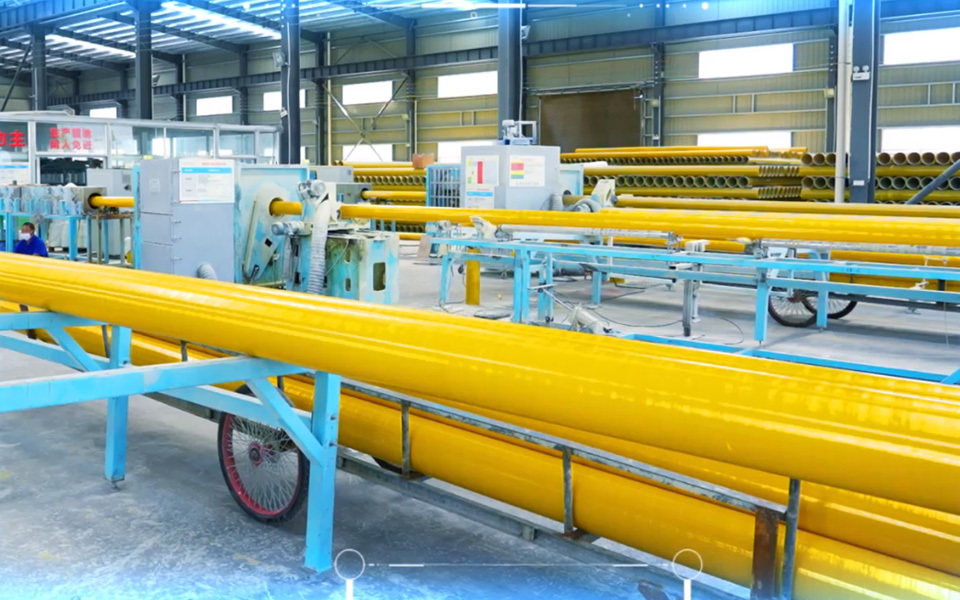
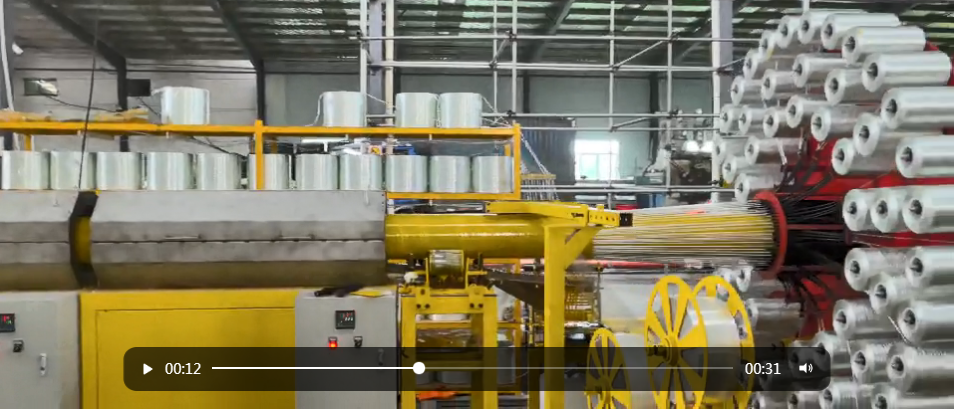
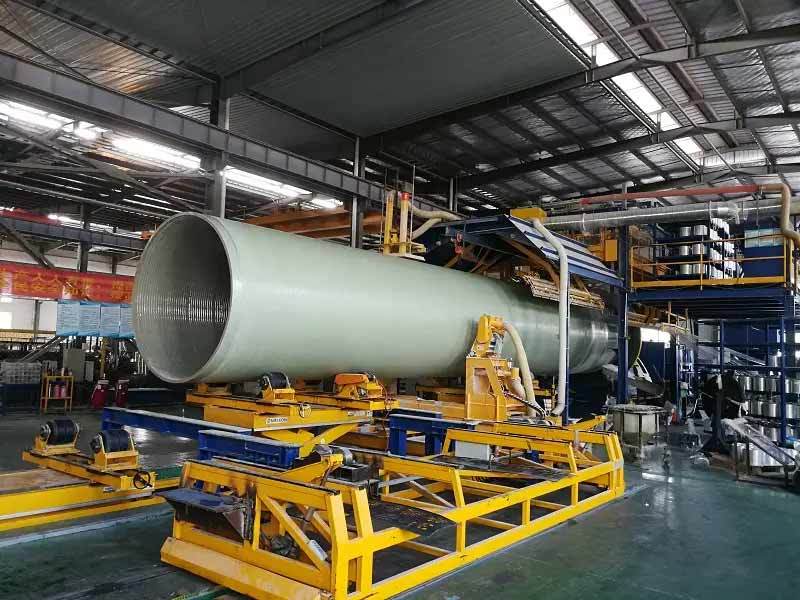
GRP plants often incorporate advanced manufacturing techniques such as automated processes and precision molding. This automation reduces labor costs and accelerates production timelines, allowing for faster turnaround on projects.
2. Reduced Waste Generation
The manufacturing of GRP typically involves processes that generate less waste compared to traditional materials. This not only leads to cost savings but also aligns with sustainability goals, enhancing the overall brand image of companies that prioritize eco-friendly practices.
3. Improved Product Quality
GRP manufacturing processes yield high-quality products with fewer defects. This reliability ensures that manufacturers can deliver consistent results, enhancing customer satisfaction and reducing returns.
4. Flexibility in Production
GRP machines can be easily adjusted for different production runs, allowing manufacturers to switch between products without extensive retooling. This flexibility is vital for meeting changing market demands swiftly.
Sustainability and Environmental Benefits of GRP Technology
As global awareness regarding environmental sustainability rises, GRP plants offer several eco-friendly advantages.
1. Recyclability
Although GRP itself is not widely recyclable, advancements in technology are paving the way for recycling methods that can reclaim materials from GRP products. This potential for recycling reduces landfill waste and promotes a circular economy.
2. Lower Carbon Footprint
Using GRP materials can lead to lower carbon emissions during production. The energy-efficient manufacturing processes and the lightweight properties of GRP contribute to reduced fuel consumption in transportation and logistics.
3. Longevity and Reduced Resource Use
The durability and long lifespan of GRP products mean that they require less frequent replacements. This longevity reduces the need for raw materials and energy in manufacturing new products, aligning with sustainability goals.
Challenges and Limitations of GRP Plants
While GRP plants offer many advantages, they are not without their challenges.
1. Higher Initial Costs
The upfront investment in GRP technology can be significant, posing a barrier for some manufacturers. However, the long-term savings often offset these initial costs.
2. Limited Awareness and Training
The lack of widespread knowledge about GRP technology can hinder its adoption. Companies may need to invest in training for their workforce to maximize the benefits of GRP.
3. Competing Materials
GRP competes with other materials such as metals and polymers that may be more established in certain industries. Manufacturers must evaluate their specific needs and consider whether GRP is the best option.
The Future of GRP Plants in Manufacturing
The future of GRP plants looks promising as ongoing advancements in material science and manufacturing technologies continue to enhance the capabilities of GRP.
1. Innovations in Recycling
Research into more effective recycling methods for GRP is ongoing, which could revolutionize the way the industry deals with waste and sustainability.
2. Increased Demand for Lightweight Materials
As industries increasingly prioritize efficiency and sustainability, the demand for lightweight, durable materials like GRP is expected to grow.
3. Technological Advancements
Emerging technologies such as 3D printing and automation are likely to be integrated into GRP manufacturing processes, further enhancing efficiency and product customization.
Conclusion
GRP plants are undeniably essential for modern production processes. Their unique properties and advantages provide manufacturers with the tools they need to optimize efficiency, reduce costs, and embrace sustainable practices. As industries evolve and demand for innovative solutions grows, the significance of GRP technology will only continue to rise, cementing its role as a cornerstone of efficient manufacturing.
FAQs about GRP Plants
1. What are the main benefits of using GRP in manufacturing?
The main benefits include enhanced strength and durability, lightweight composition, corrosion resistance, design flexibility, and cost-effectiveness.
2. In which industries are GRP plants commonly used?
Common industries include construction, chemical processing, automotive, marine, and aerospace.
3. What challenges do manufacturers face when adopting GRP technology?
Challenges include higher initial costs, limited awareness and training, and competition from more established materials.
4. Is GRP recyclable?
While traditional GRP is not widely recyclable, advancements are being made in recycling technology to reclaim materials from GRP products.
5. How do GRP plants contribute to sustainability efforts?
GRP plants contribute to sustainability through lower carbon footprints, reduced waste generation, and longer product lifespans, which decrease the need for frequent replacements.
Contact Us
E-mail:
Phone/Wechat/WhatsApp
Address:
A2-1408, Kaichuang Avenue to Tai Plaza, Huangpu District, Guangzhou City, Guangdong Province
Related Posts


No. 20, Jiangjiang Avenue, Huadu District, Guangzhou City, Guangdong Province, China
sales@huacmachine.com


Huachuang Intelligent Technology