

-
PRODCUTS
-
APPLICATION
-
SERVICE
Understanding GRP Plants: A Comprehensive Guide for Manufacturing Professionals
Oct 22,2024
---
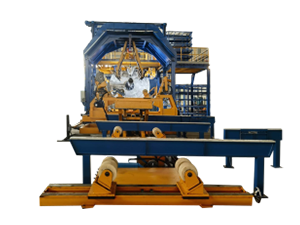
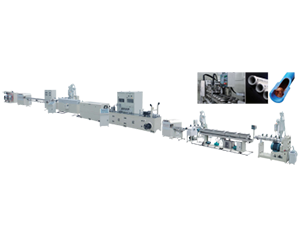
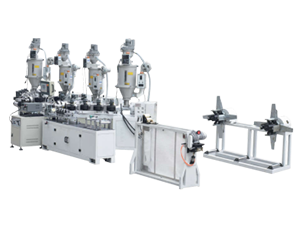
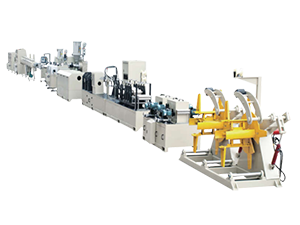
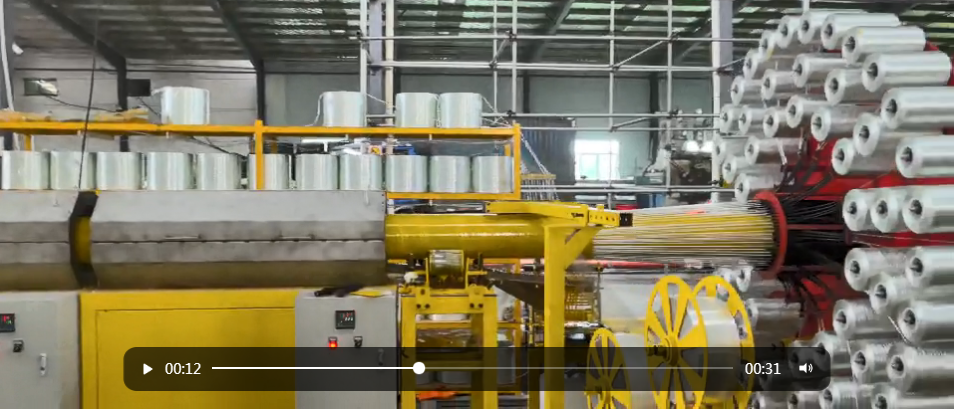
Glass Reinforced Plastic (GRP) plants are pivotal in the manufacturing sector, particularly in the realm of processing machinery. GRP, known for its lightweight, strength, and corrosion resistance, is increasingly utilized in various applications, making GRP plants vital for manufacturers aiming for higher efficiency and durability in their products.
The operation of a GRP plant typically involves several key stages, including raw material preparation, mixing, molding, and curing. The primary materials used in GRP production include glass fibers and resin. These components are combined in precise ratios to create a composite material that exhibits remarkable mechanical properties. Understanding the specifics of material selection is crucial; for instance, the choice between unsaturated polyester, vinyl ester, or epoxy resins can significantly affect the final product's performance and cost-effectiveness.
Moreover, the manufacturing process employed in GRP plants can vary widely, depending on the intended application. Techniques such as hand lay-up, spray-up, and automated processes like filament winding are commonly used. Each method has its own set of advantages and disadvantages, including factors such as labor intensity, production speed, and precision. For manufacturers focused on scalability and consistency, automated methods are often preferable.
One of the significant advantages of utilizing a GRP plant is the material's inherent properties that suit various environments. For example, GRP's resistance to chemical corrosion makes it an ideal choice for the chemical and wastewater industries. Additionally, its lightweight nature can reduce shipping costs and make transportation more manageable, thereby adding to the overall efficiency of manufacturing operations.
Another vital aspect to consider is quality control within a GRP plant. Implementing stringent quality assurance measures can prevent defects and ensure that products meet industry standards. Regular testing for mechanical properties, such as tensile strength and impact resistance, is essential in maintaining the integrity of the final product.
In terms of sustainability, GRP plants face both challenges and opportunities. While the production of GRP can be energy-intensive, advancements in recycling technologies are paving the way for more sustainable practices. Incorporating recycled glass fibers and resins can reduce waste and lower environmental impact, aligning with modern manufacturing trends that prioritize sustainability.
In conclusion, understanding the dynamics of GRP plants is essential for professionals in the manufacturing sector. By focusing on material selection, production techniques, quality control, and sustainability, manufacturers can leverage the unique properties of GRP to enhance their product offerings and improve overall operational efficiency. As the industry continues to evolve, staying informed about advancements in GRP technology will be crucial for maintaining a competitive edge.
Glass Reinforced Plastic (GRP) plants are pivotal in the manufacturing sector, particularly in the realm of processing machinery. GRP, known for its lightweight, strength, and corrosion resistance, is increasingly utilized in various applications, making GRP plants vital for manufacturers aiming for higher efficiency and durability in their products.
The operation of a GRP plant typically involves several key stages, including raw material preparation, mixing, molding, and curing. The primary materials used in GRP production include glass fibers and resin. These components are combined in precise ratios to create a composite material that exhibits remarkable mechanical properties. Understanding the specifics of material selection is crucial; for instance, the choice between unsaturated polyester, vinyl ester, or epoxy resins can significantly affect the final product's performance and cost-effectiveness.
Moreover, the manufacturing process employed in GRP plants can vary widely, depending on the intended application. Techniques such as hand lay-up, spray-up, and automated processes like filament winding are commonly used. Each method has its own set of advantages and disadvantages, including factors such as labor intensity, production speed, and precision. For manufacturers focused on scalability and consistency, automated methods are often preferable.
One of the significant advantages of utilizing a GRP plant is the material's inherent properties that suit various environments. For example, GRP's resistance to chemical corrosion makes it an ideal choice for the chemical and wastewater industries. Additionally, its lightweight nature can reduce shipping costs and make transportation more manageable, thereby adding to the overall efficiency of manufacturing operations.
Another vital aspect to consider is quality control within a GRP plant. Implementing stringent quality assurance measures can prevent defects and ensure that products meet industry standards. Regular testing for mechanical properties, such as tensile strength and impact resistance, is essential in maintaining the integrity of the final product.
In terms of sustainability, GRP plants face both challenges and opportunities. While the production of GRP can be energy-intensive, advancements in recycling technologies are paving the way for more sustainable practices. Incorporating recycled glass fibers and resins can reduce waste and lower environmental impact, aligning with modern manufacturing trends that prioritize sustainability.
In conclusion, understanding the dynamics of GRP plants is essential for professionals in the manufacturing sector. By focusing on material selection, production techniques, quality control, and sustainability, manufacturers can leverage the unique properties of GRP to enhance their product offerings and improve overall operational efficiency. As the industry continues to evolve, staying informed about advancements in GRP technology will be crucial for maintaining a competitive edge.
PREVIOUS:
Contact Us
E-mail:
Phone/Wechat/WhatsApp
Address:
A2-1408, Kaichuang Avenue to Tai Plaza, Huangpu District, Guangzhou City, Guangdong Province
Related Posts


No. 20, Jiangjiang Avenue, Huadu District, Guangzhou City, Guangdong Province, China
sales@huacmachine.com


Huachuang Intelligent Technology