

-
PRODCUTS
-
APPLICATION
-
SERVICE
Revolutionizing Manufacturing with GRP Pipe CFW Machines: The Future of Production Efficiency
Oct 23,2024
Revolutionizing Manufacturing with GRP Pipe CFW Machines
Table of Contents
- 1. Introduction to GRP Pipe CFW Machines
- 2. Understanding Glass Reinforced Plastic (GRP)
- 3. What are CFW Machines?
- 4. Benefits of GRP Pipe CFW Machines in Manufacturing
- 5. Applications of GRP Pipe CFW Machines Across Industries
- 6. Technological Advancements in GRP Manufacturing
- 7. Challenges in Implementing GRP Pipe CFW Machines
- 8. Future Trends in Manufacturing with GRP Technology
- 9. Frequently Asked Questions (FAQs)
- 10. Conclusion
1. Introduction to GRP Pipe CFW Machines
The manufacturing sector is undergoing a significant transformation, driven by innovations in technology. Among these advancements, **GRP Pipe CFW Machines** have emerged as a pivotal force, revolutionizing the way manufacturers produce glass reinforced plastic pipes. These machines not only enhance production efficiency but also contribute to sustainability in manufacturing processes. In this article, we will explore the capabilities, benefits, and future trends associated with GRP Pipe CFW Machines, offering a comprehensive overview for industry professionals and enthusiasts alike.
2. Understanding Glass Reinforced Plastic (GRP)
**Glass Reinforced Plastic (GRP)** is a composite material made of a polymer matrix reinforced with glass fibers. This combination results in a lightweight yet incredibly strong material, making GRP an ideal choice for various applications in construction, infrastructure, and manufacturing. GRP exhibits excellent corrosion resistance, durability, and thermal stability, properties that make it superior to traditional materials such as metal and concrete. Understanding these characteristics is crucial for appreciating the advancements brought by GRP Pipe CFW Machines.
2.1 Properties of GRP
The unique properties of GRP include:
- **High Strength-to-Weight Ratio**: GRP offers significant strength without the added weight, making it easier to handle and install.
- **Corrosion Resistance**: GRP is impervious to many chemicals, reducing maintenance costs and extending the lifespan of products.
- **Thermal Insulation**: The material provides excellent thermal insulation, making it suitable for various environmental conditions.
- **Customization**: GRP can be molded into various shapes and sizes, allowing for tailored solutions in manufacturing.
3. What are CFW Machines?
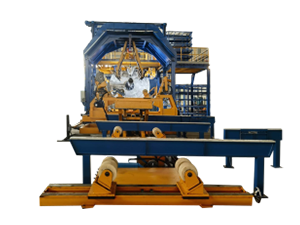
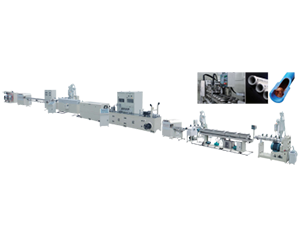
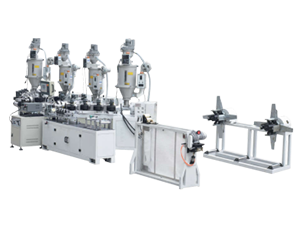
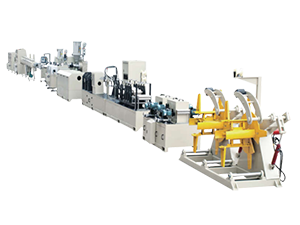
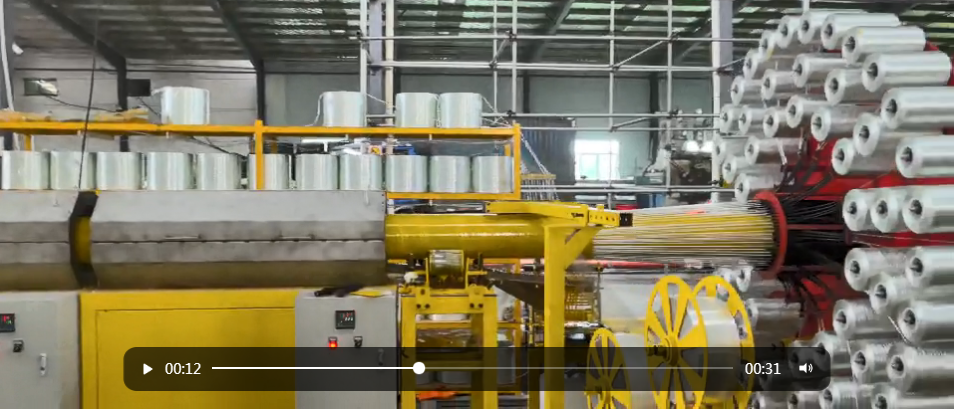
**CFW Machines**, or **Continuous Filament Winding Machines**, are specialized equipment used to manufacture pipes and other components from composite materials like GRP. These machines utilize a continuous winding process where fiberglass strands are wrapped around a rotating mandrel, impregnated with resin, and cured to form a strong, composite structure.
3.1 How CFW Machines Operate
The operation of a CFW machine involves several key steps:
- **Material Preparation**: Fiberglass rovings are prepared and arranged to ensure optimal winding.
- **Winding Process**: The mandrel rotates while fiberglass strands are applied at specific angles, allowing for controlled deposition of material.
- **Curing**: The resin impregnated in the fiberglass is cured, usually through heat or UV light, to form a solid and durable product.
- **Unloading**: Once cured, the finished pipe is removed from the mandrel for inspection and further processing.
4. Benefits of GRP Pipe CFW Machines in Manufacturing
The adoption of GRP Pipe CFW Machines offers manufacturers a multitude of benefits that significantly enhance productivity and operational efficiency.
4.1 Increased Production Speed
CFW Machines operate at a much faster pace compared to traditional manufacturing techniques, allowing for higher output within shorter timeframes.
4.2 Cost-Effectiveness
By minimizing material waste and reducing labor costs, GRP Pipe CFW Machines can lead to substantial savings in production expenses.
4.3 Enhanced Quality Control
The precision offered by CFW Machines ensures uniformity in product quality, reducing the likelihood of defects and ensuring consistent performance.
4.4 Environmental Sustainability
Manufacturing with GRP involves fewer toxic materials and generates less waste compared to traditional methods. This contributes to a more sustainable manufacturing practice.
5. Applications of GRP Pipe CFW Machines Across Industries
The versatility of GRP Pipe CFW Machines enables their application in various sectors, illustrating their importance in modern manufacturing.
5.1 Construction and Infrastructure
In the construction industry, GRP pipes are used for drainage, sewage, and water supply systems due to their durability and corrosion resistance.
5.2 Oil and Gas
GRP pipes are increasingly utilized in the oil and gas sector for transporting corrosive fluids, offering longevity and reliability in harsh environments.
5.3 Agriculture
Irrigation systems benefit from the lightweight nature of GRP, making installation simpler and more efficient while reducing maintenance needs.
5.4 Telecommunications
The telecommunications industry employs GRP for ducting and casings, providing protection for sensitive equipment against environmental factors.
6. Technological Advancements in GRP Manufacturing
The field of GRP manufacturing is continuously evolving, with new technologies enhancing the capabilities of CFW Machines.
6.1 Automation and Smart Manufacturing
The integration of automation in CFW Machines allows for real-time monitoring, predictive maintenance, and enhanced efficiency, resulting in smart manufacturing environments.
6.2 Advanced Materials
The development of new composite materials further improves the performance characteristics of GRP, expanding its potential applications and effectiveness.
6.3 Digital Twin Technology
Utilizing digital twin technology enables manufacturers to create virtual models of their production processes, allowing for optimization and troubleshooting without interrupting operations.
7. Challenges in Implementing GRP Pipe CFW Machines
Despite the myriad of benefits, there are challenges associated with the implementation of GRP Pipe CFW Machines that manufacturers must navigate.
7.1 Initial Investment Costs
The upfront costs associated with purchasing CFW Machines can be significant, which may deter some manufacturers from making the switch.
7.2 Skilled Workforce Requirements
The operation of advanced CFW Machines necessitates a skilled workforce familiar with composite materials and automated systems, presenting a training challenge.
7.3 Market Competition
As the demand for GRP products increases, competition among manufacturers can lead to pricing pressures, affecting profit margins.
8. Future Trends in Manufacturing with GRP Technology
Looking ahead, several trends will shape the future of GRP manufacturing and the role of CFW Machines.
8.1 Increased Focus on Sustainability
As sustainability remains a priority, the demand for GRP products will continue to rise, pushing manufacturers towards greener production practices.
8.2 Expansion into New Markets
Emerging markets in developing countries are adopting GRP technology for their infrastructure projects, representing significant growth opportunities for manufacturers.
8.3 Integration of AI and IoT
The incorporation of artificial intelligence and the Internet of Things (IoT) into manufacturing processes will further enhance efficiency, quality, and operational oversight.
9. Frequently Asked Questions (FAQs)
9.1 What is the lifespan of GRP pipes?
GRP pipes can last over 50 years with proper maintenance and installation, making them a long-term solution for various applications.
9.2 Are GRP pipes environmentally friendly?
Yes, GRP pipes are considered environmentally friendly due to their longevity, reduced maintenance needs, and lower toxicity during production.
9.3 Can GRP pipes be recycled?
While recycling GRP is challenging due to its composite nature, advancements are being made in recycling technologies to recover materials from end-of-life products.
9.4 What are the maintenance requirements for GRP pipes?
GRP pipes generally require minimal maintenance. Regular inspections can help identify any issues early, but they are resistant to corrosion and wear.
9.5 How do CFW Machines compare to traditional pipe manufacturing methods?
CFW Machines offer faster production rates, better material utilization, and improved product quality compared to traditional methods, making them a preferred choice in modern manufacturing.
10. Conclusion
The introduction of **GRP Pipe CFW Machines** marks a significant milestone in the manufacturing industry, providing innovative solutions that enhance efficiency, reduce costs, and support sustainability. As technology continues to advance, these machines will play a crucial role in shaping the future of production processes across multiple sectors. Embracing these innovations not only positions manufacturers at the forefront of their industries but also contributes to a more sustainable and efficient manufacturing landscape. Investing in GRP technology today will pave the way for a greener, more productive tomorrow.
Contact Us
E-mail:
Phone/Wechat/WhatsApp
Address:
A2-1408, Kaichuang Avenue to Tai Plaza, Huangpu District, Guangzhou City, Guangdong Province
Related Posts


No. 20, Jiangjiang Avenue, Huadu District, Guangzhou City, Guangdong Province, China
sales@huacmachine.com


Huachuang Intelligent Technology