

-
PRODCUTS
-
APPLICATION
-
SERVICE
Understanding GRP Pipe CFW Machines: A Comprehensive Guide
Oct 24,2024
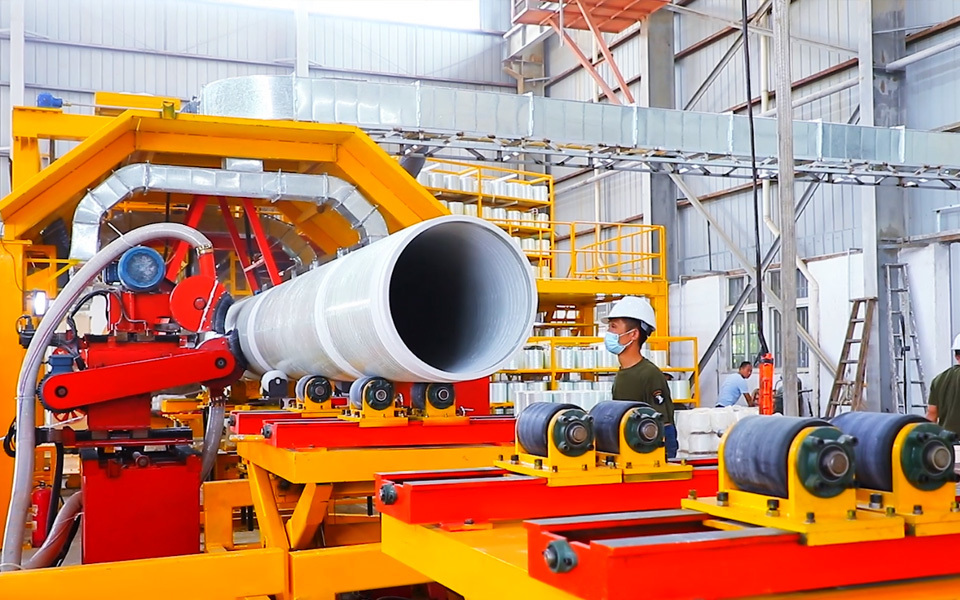
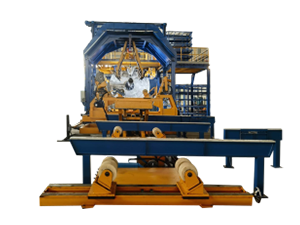
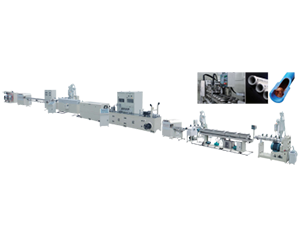
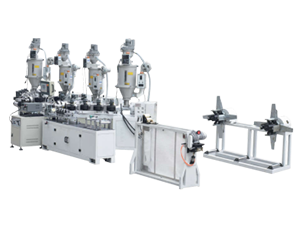
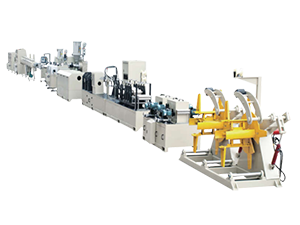
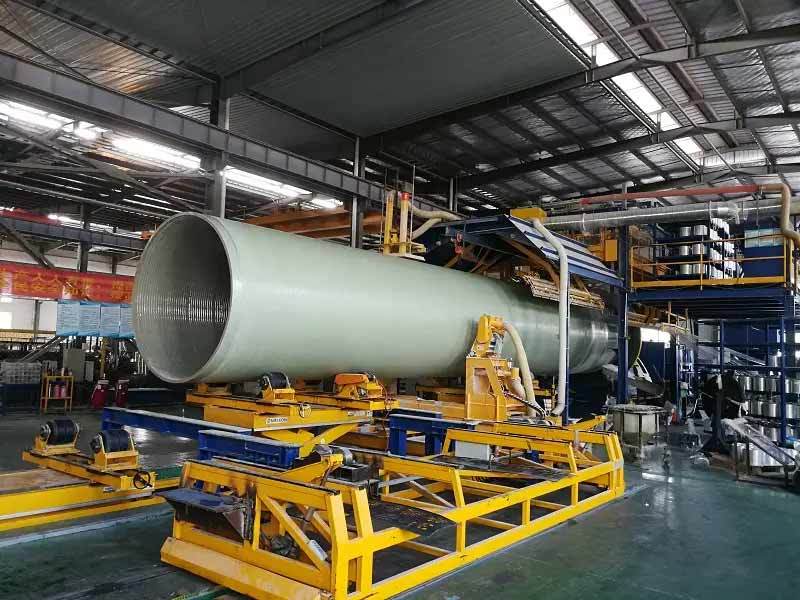
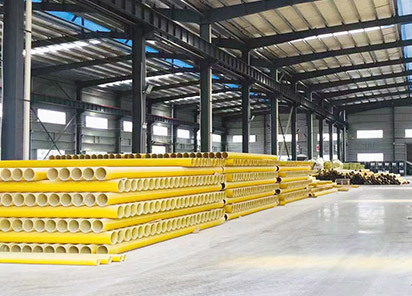
In the realm of manufacturing machinery, the GRP pipe CFW (Continuous Filament Winding) machine stands out as a pivotal technology for producing Glass Reinforced Plastic (GRP) pipes. These machines are engineered to efficiently create high-strength, lightweight pipes that are increasingly favored in a multitude of applications, including water supply, sewage systems, and industrial processes.
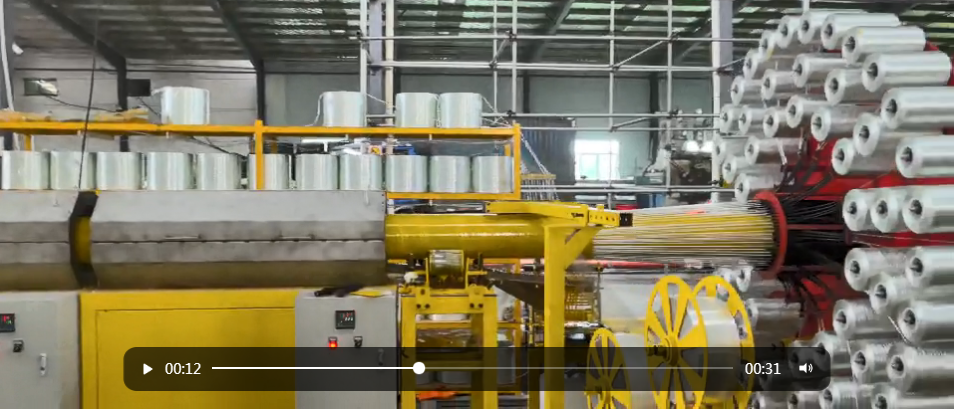
The primary function of a GRP pipe CFW machine is to produce pipes by utilizing a process known as filament winding. This technique involves winding continuous strands of fiberglass along a predefined mold to create a composite structure. The resulting GRP pipes exhibit superior mechanical properties, corrosion resistance, and a long service life, making them an ideal choice for various demanding environments.
One of the key advantages of using a GRP pipe CFW machine is the efficiency it brings to the manufacturing process. The continuous nature of the winding process allows for high production rates, minimizing downtime and maximizing output. Additionally, the automation capabilities of modern CFW machines enhance precision and consistency, ensuring that each pipe meets established quality standards.
Moreover, GRP pipes produced via CFW machines are known for their lightweight nature compared to traditional materials like metal or concrete. This characteristic not only simplifies transportation and installation but also reduces the overall structural load when used in construction. Furthermore, these pipes possess excellent chemical resistance, making them suitable for transporting aggressive fluids without risk of degradation.
The versatility of GRP pipe CFW machines extends to their adaptability across various industries. They are utilized in sectors such as water management, where they help deliver potable water or manage wastewater. In the oil and gas industry, GRP pipes are employed for transporting hydrocarbons and other fluids, where their resistance to corrosion and chemical attack is crucial. The construction industry also benefits from these pipes in applications such as drainage, where durability and lightweight properties enhance overall project efficiency.
In summary, GRP pipe CFW machines represent a significant advancement in manufacturing technology, enabling the production of high-quality GRP pipes that cater to a diverse range of applications. Their ability to produce lightweight, durable, and corrosion-resistant pipes makes them an invaluable asset across numerous industrial sectors. As industries continue to explore sustainable and efficient solutions, the role of these machines is likely to expand, solidifying their place in the future of manufacturing.
Contact Us
E-mail:
Phone/Wechat/WhatsApp
Address:
A2-1408, Kaichuang Avenue to Tai Plaza, Huangpu District, Guangzhou City, Guangdong Province
Related Posts


No. 20, Jiangjiang Avenue, Huadu District, Guangzhou City, Guangdong Province, China
sales@huacmachine.com


Huachuang Intelligent Technology