

-
PRODCUTS
-
APPLICATION
-
SERVICE
Unveiling the Benefits of Using FRP Pipe Making Machines
Oct 27,2024
Unveiling the Benefits of Using FRP Pipe Making Machines
Table of Contents
- 1. Introduction to FRP Pipe Making Machines
- 2. What is FRP (Fiber Reinforced Plastic)?
- 3. Key Components of FRP Pipe Making Machines
- 4. Advantages of Using FRP Pipe Making Machines
- 4.1 Enhanced Durability and Longevity
- 4.2 Cost Efficiency and Reduced Maintenance
- 4.3 Lightweight Nature and Increased Flexibility
- 4.4 Corrosion Resistance and Chemical Compatibility
- 4.5 Sustainable Manufacturing Practices
- 5. The Production Process of FRP Pipes
- 6. Applications of FRP Pipes in Various Industries
- 7. Choosing the Right FRP Pipe Making Machine
- 8. Frequently Asked Questions (FAQs)
- 9. Conclusion
1. Introduction to FRP Pipe Making Machines
In the rapidly evolving landscape of manufacturing, **FRP pipe making machines** have emerged as game changers. These machines facilitate the production of pipes made from **fiber reinforced plastic**, a material known for its strength, lightness, and durability. Organizations across various sectors are recognizing the need to adapt to modern materials and methods, making FRP technology an essential aspect of contemporary manufacturing.
2. What is FRP (Fiber Reinforced Plastic)?
Fiber Reinforced Plastic (FRP) is a composite material made from a polymer matrix combined with fibers, typically glass, carbon, or aramid. This synergy creates a material with superior mechanical properties compared to traditional materials like steel or PVC. FRP is lightweight yet exceptionally strong, making it ideal for various applications, particularly in environments prone to corrosion and chemical exposure.
3. Key Components of FRP Pipe Making Machines
Understanding the components of **FRP pipe making machines** is crucial for appreciating their efficiency and capabilities. Here are the primary parts involved:
3.1 Raw Material Feeding System
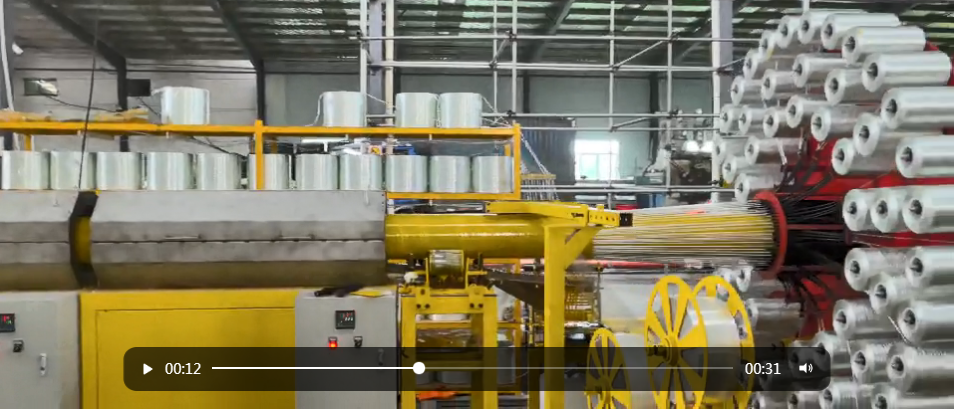
This component ensures the consistent delivery of resin and fibers to the production line. It plays a critical role in maintaining quality and efficiency.
3.2 Mixing Unit
The mixing unit combines the resin and reinforcing fibers, ensuring uniform distribution before entering the molding stage.
3.3 Molding Station
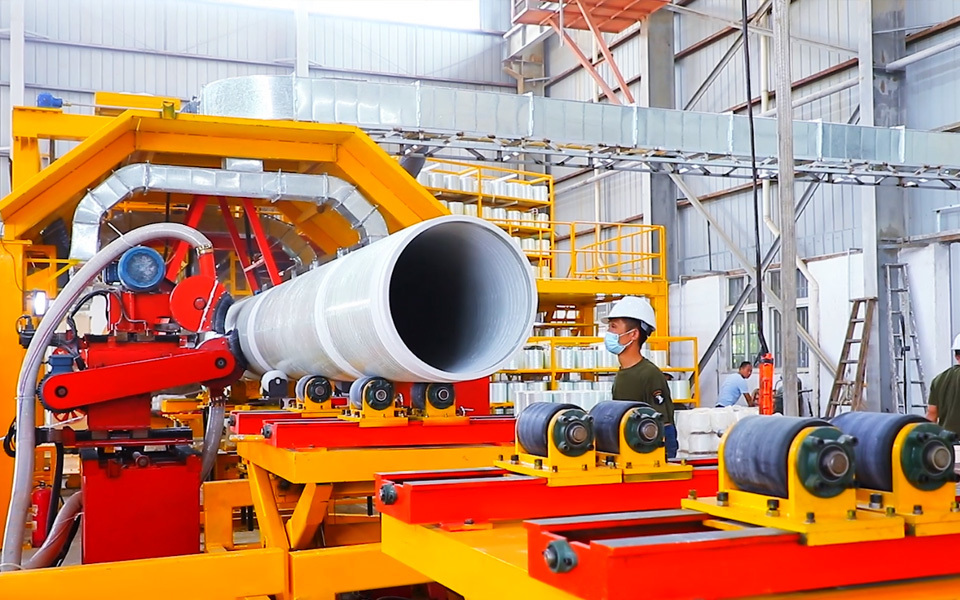
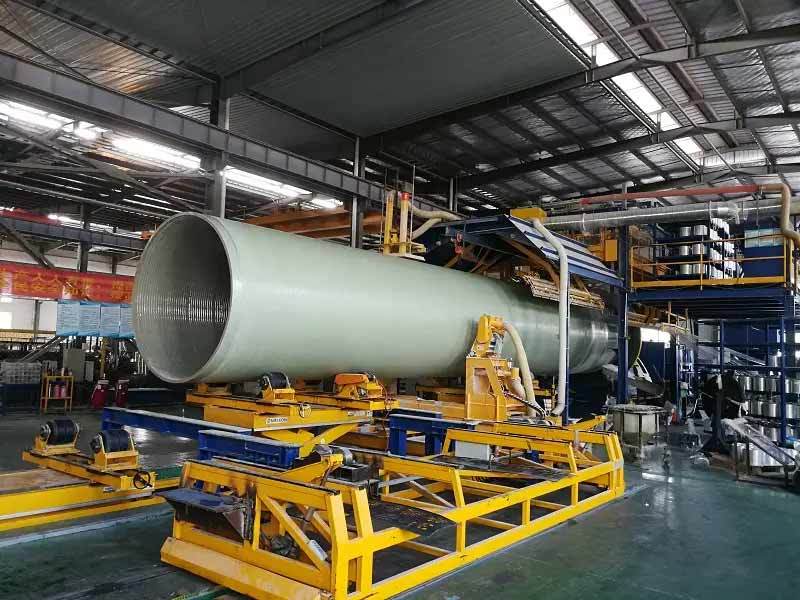
This part shapes the mixed materials into pipe forms. Various molding techniques, such as filament winding or pultrusion, may be used here.
3.4 Curing Chamber
The curing chamber allows the pipes to solidify and gain strength. The controlled environment is vital for achieving the desired properties in the final product.
3.5 Cutting and Finishing Station
Once cured, pipes are cut to the required lengths and undergo finishing processes to ensure they meet industry standards.
4. Advantages of Using FRP Pipe Making Machines
The adoption of **FRP pipe making machines** offers numerous benefits that can significantly improve manufacturing processes. Below are some of the most compelling advantages.
4.1 Enhanced Durability and Longevity
FRP pipes are known for their exceptional durability. Unlike traditional materials, they are resistant to wear and tear, making them suitable for long-term applications. With a lifespan that can extend beyond 50 years, investing in FRP technology means fewer replacements and less downtime for manufacturers.
4.2 Cost Efficiency and Reduced Maintenance
While the initial investment in FRP pipe making machines may be higher than traditional systems, the **cost efficiency** over time is remarkable. FRP pipes require less maintenance due to their resilient nature, resulting in lower operational costs. Moreover, the lightweight properties of FRP reduce transportation costs and installation time significantly.
4.3 Lightweight Nature and Increased Flexibility
The lightweight nature of FRP pipes makes them easy to handle and install. This flexibility allows for various configurations and applications, facilitating quicker project completion. Additionally, lighter pipes reduce the load on supporting structures, which can be particularly advantageous in construction and infrastructure projects.
4.4 Corrosion Resistance and Chemical Compatibility
FRP pipes exhibit excellent resistance to corrosion and are compatible with various chemicals. This characteristic makes them ideal for industries such as chemical processing, wastewater management, and oil and gas, where exposure to harsh substances is common. Utilizing FRP technology ensures safer operations and longer-lasting infrastructure.
4.5 Sustainable Manufacturing Practices
The production of FRP pipes aligns with modern sustainability goals. With lower energy consumption during manufacturing and extended product lifespans, FRP technology contributes to reduced environmental impact. Additionally, many FRP materials can be recycled, promoting a circular economy within the industry.
5. The Production Process of FRP Pipes
Understanding the production process is crucial for manufacturers and stakeholders. The steps typically involved in producing FRP pipes include:
1. **Raw Material Preparation**: Selecting high-quality resins and reinforcing fibers.
2. **Material Mixing**: Combining the resin with fibers to create a homogeneous mixture.
3. **Molding the Pipes**: Using advanced molding techniques to form the pipe shape.
4. **Curing**: Allowing the pipes to cure in a controlled environment to enhance strength.
5. **Finishing**: Cutting and inspecting the pipes to ensure they meet quality standards.
This methodical approach guarantees the production of high-quality FRP pipes that meet the demands of diverse applications.
6. Applications of FRP Pipes in Various Industries
The versatility of **FRP pipes** lends itself to a wide array of applications. Some notable industries that benefit from FRP technology include:
- **Construction**: Used in plumbing and drainage systems due to their lightweight and durable characteristics.
- **Oil and Gas**: Ideal for transporting corrosive substances, minimizing the risk of leaks and failures.
- **Chemical Processing**: Provides a safe solution for handling aggressive chemicals.
- **Water Treatment**: Utilized in wastewater treatment plants for their resistance to chemical attack.
With such diverse applications, FRP pipes are becoming an integral part of modern industrial operations.
7. Choosing the Right FRP Pipe Making Machine
Selecting the right FRP pipe making machine is crucial for optimizing production. Consider the following factors:
- **Production Capacity**: Assess the machine's output to meet your operational demands.
- **Technology Type**: Different machines utilize various technologies, from filament winding to pultrusion. Choose one that aligns with your production style.
- **Ease of Operation**: A user-friendly interface can significantly reduce training time and improve productivity.
- **Maintenance Requirements**: Consider machines that offer low maintenance needs to enhance operational efficiency.
By carefully evaluating these aspects, businesses can make informed decisions that align with their manufacturing goals.
8. Frequently Asked Questions (FAQs)
8.1 What are the main advantages of using FRP pipes over traditional materials?
FRP pipes offer advantages such as enhanced durability, lightweight properties, corrosion resistance, and cost efficiency in maintenance over time.
8.2 How long do FRP pipes typically last?
With proper maintenance, FRP pipes can last over 50 years, making them a long-lasting solution for various applications.
8.3 Are FRP pipes suitable for high-temperature applications?
While some FRP pipes can withstand elevated temperatures, it's essential to select the right resin and fiber combinations for specific temperature applications.
8.4 Can FRP pipes be recycled?
Yes, many FRP materials can be recycled, contributing to sustainable manufacturing practices within the industry.
8.5 What industries typically use FRP pipe making machines?
Industries such as construction, oil and gas, chemical processing, and water treatment commonly utilize FRP pipe making machines for their operations.
9. Conclusion
The future of manufacturing lies in embracing innovative technologies, and **FRP pipe making machines** stand at the forefront of this transformation. With their numerous advantages, including enhanced durability, lightweight nature, and cost efficiency, these machines are revolutionizing the way industries operate. By leveraging the benefits of FRP technology, manufacturers can ensure superior quality products while promoting sustainable practices. Adapting to these advancements is not just a choice; it is a necessity for staying competitive in today’s market.
Contact Us
E-mail:
Phone/Wechat/WhatsApp
Address:
A2-1408, Kaichuang Avenue to Tai Plaza, Huangpu District, Guangzhou City, Guangdong Province
Related Posts


No. 20, Jiangjiang Avenue, Huadu District, Guangzhou City, Guangdong Province, China
sales@huacmachine.com


Huachuang Intelligent Technology