

-
PRODCUTS
-
APPLICATION
-
SERVICE
Understanding FRP Pipe Making Machines: Innovations in Manufacturing
Oct 28,2024

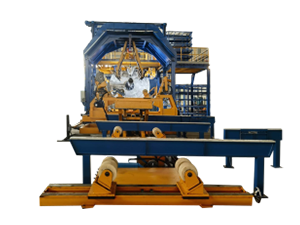
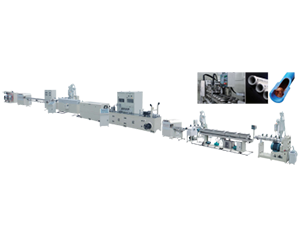
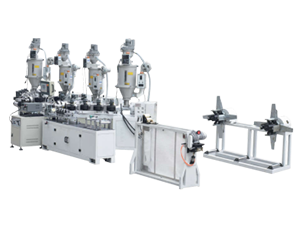
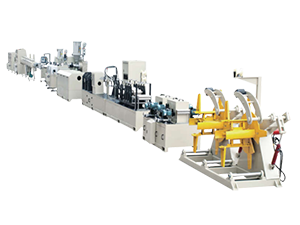
FRP, or Fiber Reinforced Polymer, is a composite material that offers exceptional strength, durability, and resistance to corrosion compared to traditional materials like steel or PVC. The manufacturing process of FRP pipes involves using specialized machines that combine polymer matrices with reinforcing fibers, resulting in lightweight yet robust pipes suitable for various applications.
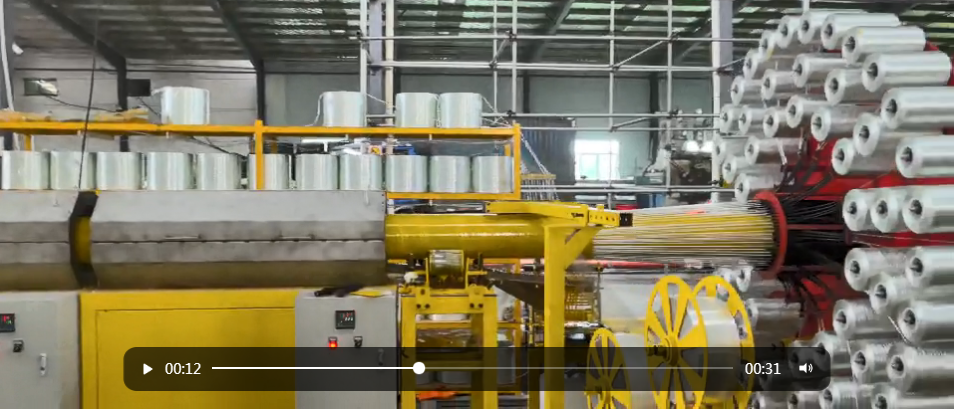
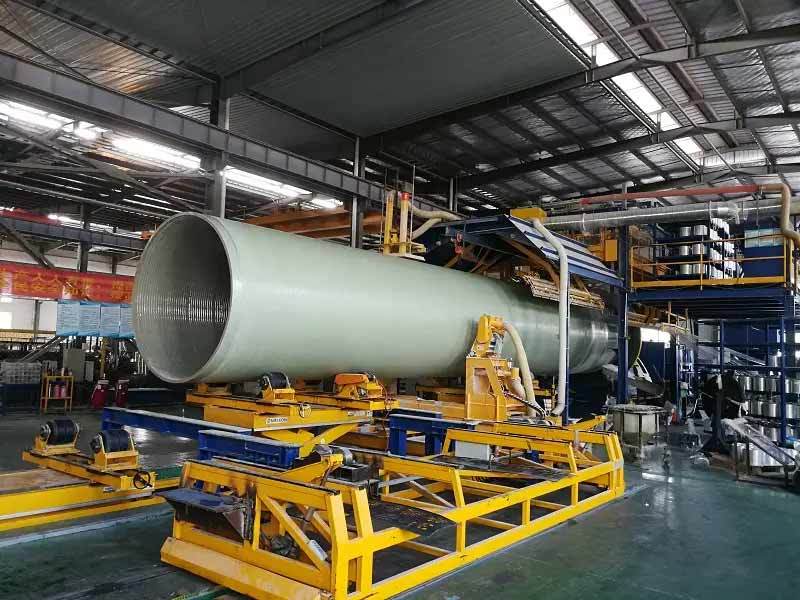
The primary function of an FRP pipe making machine is to facilitate the continuous production of these pipes through various processes, such as pultrusion, filament winding, and resin transfer molding. Each method has its unique advantages and applications. For instance, pultrusion produces consistent cross-sectional shapes, making it ideal for structural applications, while filament winding is well-suited for producing high-pressure pipes.
One of the significant benefits of using an FRP pipe making machine is the efficiency it brings to the production line. These machines are designed for high throughput, allowing manufacturers to produce large quantities of pipes in a shorter time frame. This increased productivity can lead to reduced costs and improved profit margins, making it a favorable option for companies looking to enhance their manufacturing capabilities.
In addition to efficiency, FRP pipes offer substantial advantages over traditional materials. Their resistance to chemicals and corrosion makes them ideal for use in aggressive environments, such as chemical processing plants and wastewater treatment facilities. Furthermore, the lightweight nature of FRP pipes simplifies transportation and installation, reducing labor costs and project timelines.
Investing in an FRP pipe making machine also aligns with the growing trend towards sustainable manufacturing practices. The production of FRP pipes can be designed to minimize waste and energy consumption, contributing positively to a company’s environmental footprint. Additionally, as industries move towards greener alternatives, the demand for FRP products is expected to rise, presenting manufacturers with new opportunities.
In conclusion, FRP pipe making machines represent a significant advancement in the manufacturing sector, offering efficiency, sustainability, and versatility. For professionals in the industry, understanding the capabilities and advantages of these machines is crucial for staying competitive in a rapidly evolving market. As the demand for high-performance piping solutions continues to grow, investing in such advanced manufacturing technology may be the key to future success.
The primary function of an FRP pipe making machine is to facilitate the continuous production of these pipes through various processes, such as pultrusion, filament winding, and resin transfer molding. Each method has its unique advantages and applications. For instance, pultrusion produces consistent cross-sectional shapes, making it ideal for structural applications, while filament winding is well-suited for producing high-pressure pipes.
One of the significant benefits of using an FRP pipe making machine is the efficiency it brings to the production line. These machines are designed for high throughput, allowing manufacturers to produce large quantities of pipes in a shorter time frame. This increased productivity can lead to reduced costs and improved profit margins, making it a favorable option for companies looking to enhance their manufacturing capabilities.
In addition to efficiency, FRP pipes offer substantial advantages over traditional materials. Their resistance to chemicals and corrosion makes them ideal for use in aggressive environments, such as chemical processing plants and wastewater treatment facilities. Furthermore, the lightweight nature of FRP pipes simplifies transportation and installation, reducing labor costs and project timelines.
Investing in an FRP pipe making machine also aligns with the growing trend towards sustainable manufacturing practices. The production of FRP pipes can be designed to minimize waste and energy consumption, contributing positively to a company’s environmental footprint. Additionally, as industries move towards greener alternatives, the demand for FRP products is expected to rise, presenting manufacturers with new opportunities.
In conclusion, FRP pipe making machines represent a significant advancement in the manufacturing sector, offering efficiency, sustainability, and versatility. For professionals in the industry, understanding the capabilities and advantages of these machines is crucial for staying competitive in a rapidly evolving market. As the demand for high-performance piping solutions continues to grow, investing in such advanced manufacturing technology may be the key to future success.
Contact Us
E-mail:
Phone/Wechat/WhatsApp
Address:
A2-1408, Kaichuang Avenue to Tai Plaza, Huangpu District, Guangzhou City, Guangdong Province
Related Posts

No. 20, Jiangjiang Avenue, Huadu District, Guangzhou City, Guangdong Province, China
sales@huacmachine.com


Huachuang Intelligent Technology