

-
PRODCUTS
-
APPLICATION
-
SERVICE
How FRP Pipe Making Machines Revolutionize Manufacturing Processes
Oct 29,2024
How FRP Pipe Making Machines Revolutionize Manufacturing Processes
Table of Contents
- Introduction to FRP Pipe Making Machines
- What is FRP (Fiber Reinforced Plastic)?
- Benefits of Using FRP Pipes
- Understanding FRP Pipe Making Machines
- How FRP Pipe Making Machines Work
- Applications of FRP Pipes in Various Industries
- The Future of FRP Pipe Manufacturing
- FAQs About FRP Pipe Making Machines
- Conclusion
Introduction to FRP Pipe Making Machines
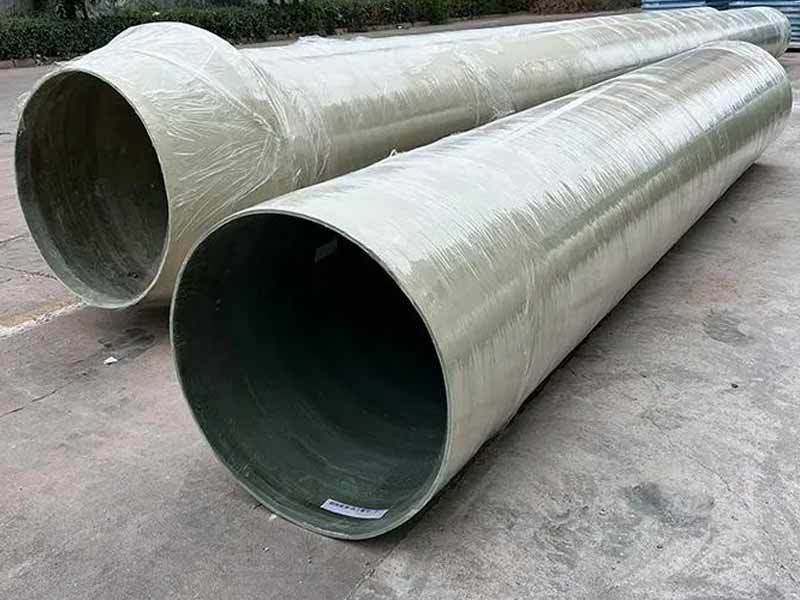
In the ever-evolving world of manufacturing, efficiency and innovation are paramount. **Fiber Reinforced Plastic (FRP) pipe making machines** are at the forefront of this revolution. These sophisticated machines streamline the production of durable and lightweight pipes, catering to various industries, including construction, chemical processing, and water management. In this article, we will delve into the benefits, workings, and future of FRP pipe making machines, illustrating how they are reshaping manufacturing processes worldwide.
What is FRP (Fiber Reinforced Plastic)?
**Fiber Reinforced Plastic (FRP)** is a composite material made from a polymer matrix reinforced with fibers, typically glass, carbon, or aramid. This combination results in a material that offers exceptional strength-to-weight ratios, corrosion resistance, and flexibility. FRP is used in diverse applications, from aerospace to civil engineering, making it an essential material in modern manufacturing.
Types of Fibers Used in FRP
1. **Glass Fibers**: Most commonly used due to their cost-effectiveness and good mechanical properties.
2. **Carbon Fibers**: Known for their high strength and lightweight characteristics, ideal for high-performance applications.
3. **Aramid Fibers**: Excellent impact resistance and thermal stability, often used in protective gear and aerospace applications.
Benefits of Using FRP Pipes
FRP pipes offer numerous advantages over traditional materials like steel and PVC. Here are the key benefits:
1. Corrosion Resistance
FRP pipes exhibit outstanding resistance to corrosion, making them ideal for transporting chemicals and wastewater. Unlike metallic pipes, they do not rust or degrade over time.
2. Lightweight
These pipes are significantly lighter than their metallic counterparts, resulting in lower transportation costs and easier installation.
3. High Strength
Despite their lightweight nature, FRP pipes possess remarkable strength, allowing them to withstand high pressure and extreme environmental conditions.
4. Cost Efficiency
The durability and low maintenance needs of FRP pipes contribute to long-term cost savings for manufacturers and end-users alike.
5. Versatility
FRP pipes can be manufactured in various sizes and shapes, making them suitable for a wide range of applications.
Understanding FRP Pipe Making Machines
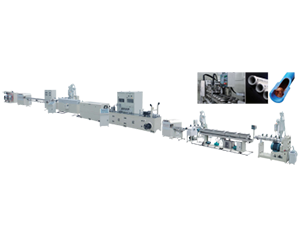
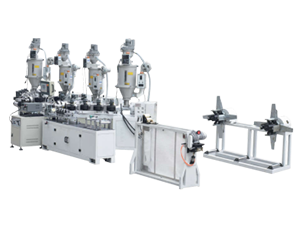
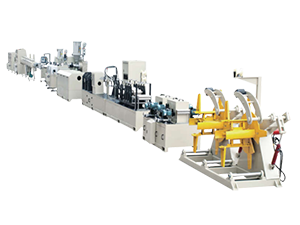
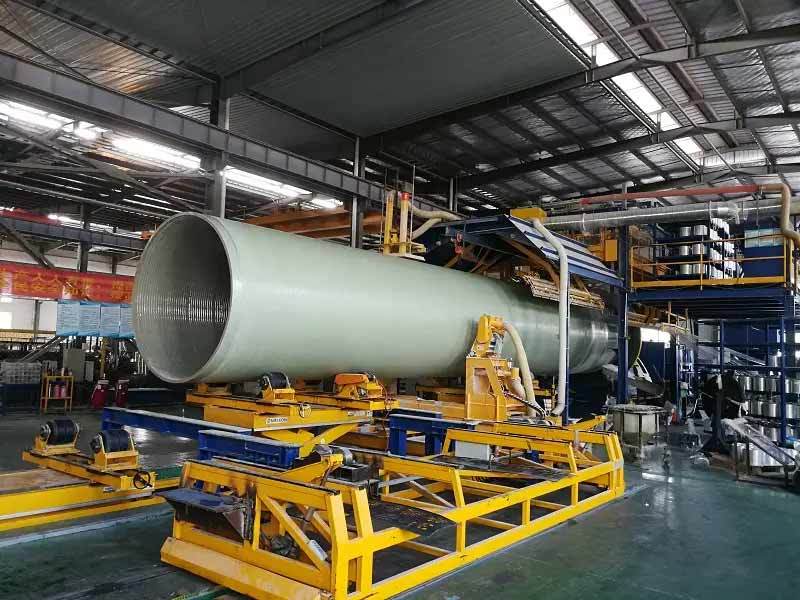
FRP pipe making machines are specialized equipment designed to produce FRP pipes efficiently. These machines integrate advanced technologies to ensure high-quality output with minimal waste.
Types of FRP Pipe Making Machines
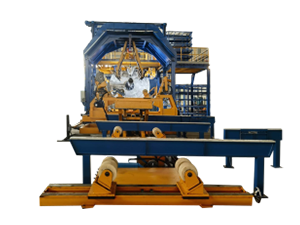
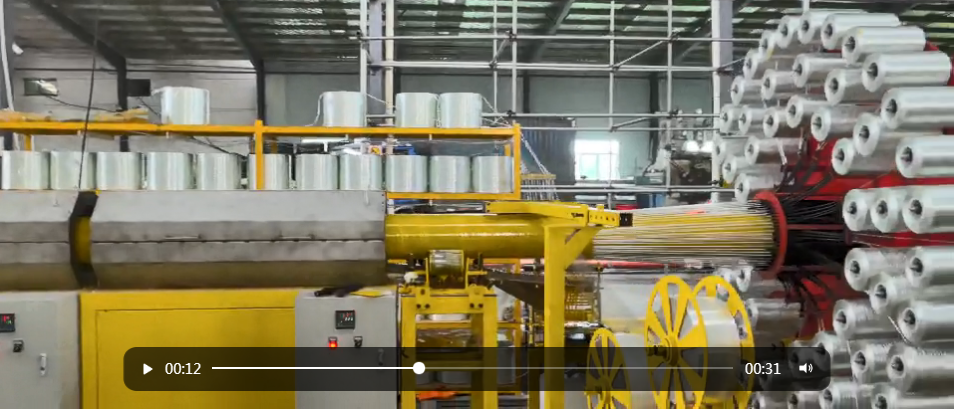
1. **Filament Winding Machines**: These machines utilize a process where continuous fibers are wound around a mandrel in a specific pattern, allowing for the creation of strong and durable pipes.
2. **Pultrusion Machines**: In this process, raw materials are pulled through a heated die, resulting in the continuous formation of pipes with consistent cross-sections.
3. **Centrifugal Casting Machines**: This method involves pouring a resin mixture into a rotating mold, utilizing centrifugal force to evenly distribute the material and create pipes with uniform thickness.
How FRP Pipe Making Machines Work
The operation of FRP pipe making machines is a sophisticated process that involves several stages:
1. Material Preparation
The first step involves preparing the raw materials, which include fibers, resin, and additives. The specific blend depends on the desired properties of the final product.
2. Processing Techniques
Depending on the type of machine, different processing techniques are employed:
- **Filament Winding**: Fibers are impregnated with resin and wound onto a rotating mandrel.
- **Pultrusion**: The material is pulled through a heated die to create pipes with uniform dimensions.
3. Curing and Hardening
After the shaping process, the pipes undergo curing, where the resin hardens, and the pipe achieves its final strength and durability.
4. Quality Control
Quality checks are performed at various stages of production to ensure that the pipes meet the required standards for strength, flexibility, and corrosion resistance.
Applications of FRP Pipes in Various Industries
FRP pipes are utilized in numerous industries due to their unique properties. Below are some prominent applications:
1. Water and Wastewater Management
FRP pipes are ideal for transporting potable water and handling wastewater due to their corrosion resistance and longevity.
2. Chemical Processing
In industries dealing with harsh chemicals, FRP pipes provide a reliable solution for safe transportation without degradation.
3. Oil and Gas
The oil and gas sector benefits from FRP pipes' strength and resistance to environmental stress, making them suitable for various applications, including offshore installations.
4. Construction
FRP pipes are increasingly used in construction for drainage and plumbing systems, providing a lightweight and durable alternative to traditional materials.
5. Agriculture
In agriculture, FRP pipes are employed in irrigation systems, allowing for efficient water management and distribution.
The Future of FRP Pipe Manufacturing
As industries continue to seek sustainable solutions, the demand for FRP pipes is expected to grow. Innovations in manufacturing technologies, such as automation and smart manufacturing, are likely to enhance efficiency and reduce production costs. Furthermore, advancements in material science may lead to the development of even stronger and more versatile FRP formulations.
FAQs About FRP Pipe Making Machines
1. What materials are used to make FRP pipes?
FRP pipes are primarily made from a combination of resin and reinforcing fibers such as glass, carbon, or aramid.
2. How long do FRP pipes last?
With proper installation and maintenance, FRP pipes can last for several decades, often exceeding 50 years.
3. Are FRP pipes suitable for high-temperature applications?
Yes, FRP pipes can be engineered to withstand high temperatures, making them suitable for various industrial applications.
4. What are the environmental benefits of using FRP pipes?
FRP pipes are recyclable and contribute to reducing the overall environmental impact compared to traditional materials.
5. Can FRP pipes be used for drinking water applications?
Yes, many FRP pipes are designed and certified for potable water applications, ensuring safety and compliance with health standards.
Conclusion
**FRP pipe making machines** represent a significant advancement in manufacturing processes, delivering efficiency, durability, and cost-effectiveness. As industries continue to embrace innovative materials, the versatility and advantages of FRP pipes position them as a preferred choice across various sectors. By understanding the benefits and mechanisms of FRP pipe making machines, manufacturers can optimize their production processes and contribute to a more sustainable future in manufacturing.
Contact Us
E-mail:
Phone/Wechat/WhatsApp
Address:
A2-1408, Kaichuang Avenue to Tai Plaza, Huangpu District, Guangzhou City, Guangdong Province
Related Posts


No. 20, Jiangjiang Avenue, Huadu District, Guangzhou City, Guangdong Province, China
sales@huacmachine.com


Huachuang Intelligent Technology