

-
PRODCUTS
-
APPLICATION
-
SERVICE
Understanding FRP Pipe Making Machines: A Comprehensive Guide for Manufacturers
Oct 30,2024
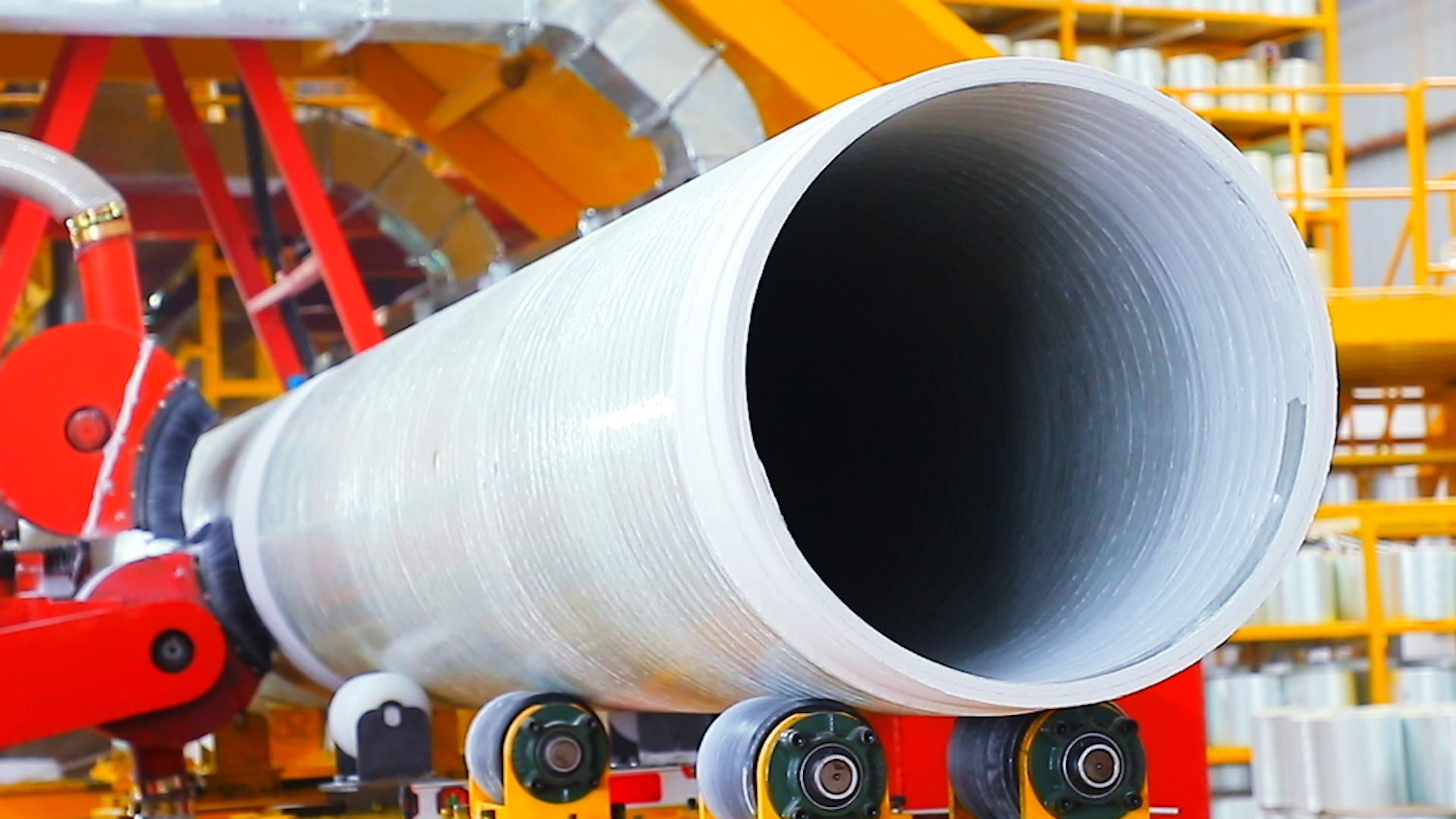
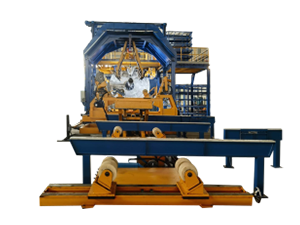
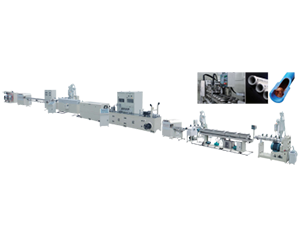
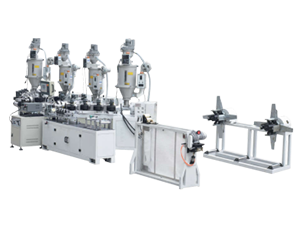
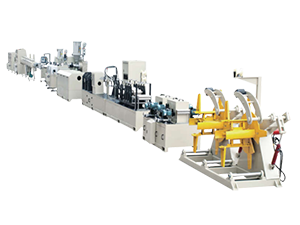
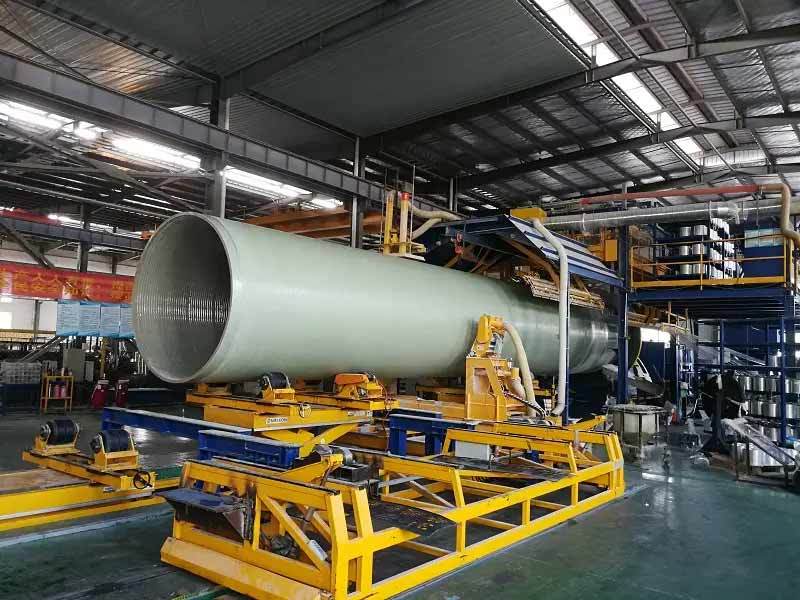
FRP (Fiber Reinforced Plastic) pipe making machines are specialized equipment designed for the efficient production of composite pipes widely used in various industries, including construction, oil and gas, and wastewater management. As the demand for lightweight, corrosion-resistant materials continues to grow, understanding the functionality and benefits of FRP pipe making machines is essential for manufacturers aiming to stay competitive.
Firstly, FRP pipes offer a range of advantages over traditional materials like steel and concrete. They are not only lighter but also possess superior strength-to-weight ratios, making them easier to transport and install. Additionally, the corrosion resistance of FRP pipes ensures a longer lifespan, reducing the need for frequent replacements and maintenance, which can translate into significant cost savings over time.
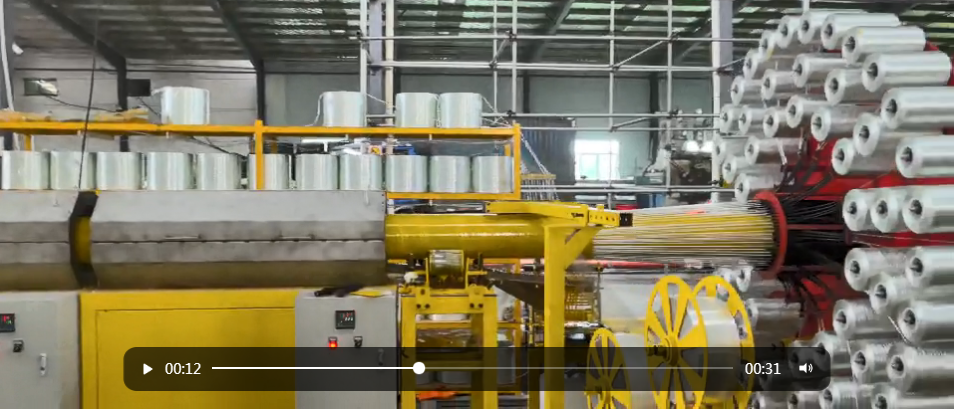
The FRP pipe making machine operates through a process that combines raw materials such as fiberglass and resin. The machine is designed to handle various production methods, including filament winding, pultrusion, and continuous lamination. Each technique has its unique advantages, with filament winding being particularly popular for producing high-strength pipes. Understanding these methods allows manufacturers to choose the best approach for their specific needs.
Investing in a high-quality FRP pipe making machine can enhance production efficiency and product quality. Key features to consider when selecting a machine include automation capabilities, production speed, and precision in pipe dimensions. Advanced machines equipped with computer numerical control (CNC) technology can provide greater accuracy and consistency, ensuring that each pipe meets the required specifications.
Training for operators is also critical. Skilled personnel who understand the machine's operation and maintenance can significantly impact production quality and efficiency. Regular maintenance checks are essential to keep the machinery in optimal condition, preventing costly downtime and repairs.
Moreover, manufacturers should consider the environmental impact of their production processes. FRP pipes are often produced using less energy compared to traditional materials, and advancements in recycling technologies are making it possible to reduce waste further. This focus on sustainability can enhance a company's reputation and appeal to environmentally conscious customers.
In conclusion, FRP pipe making machines are vital for manufacturers seeking to produce high-quality, durable, and efficient piping solutions. By understanding the operational methods, selecting the right equipment, investing in training, and emphasizing sustainability, manufacturers can position themselves effectively in a competitive market. As demand for innovative materials continues to rise, the strategic use of FRP pipe making machines can lead to substantial business growth and success.
Firstly, FRP pipes offer a range of advantages over traditional materials like steel and concrete. They are not only lighter but also possess superior strength-to-weight ratios, making them easier to transport and install. Additionally, the corrosion resistance of FRP pipes ensures a longer lifespan, reducing the need for frequent replacements and maintenance, which can translate into significant cost savings over time.
The FRP pipe making machine operates through a process that combines raw materials such as fiberglass and resin. The machine is designed to handle various production methods, including filament winding, pultrusion, and continuous lamination. Each technique has its unique advantages, with filament winding being particularly popular for producing high-strength pipes. Understanding these methods allows manufacturers to choose the best approach for their specific needs.
Investing in a high-quality FRP pipe making machine can enhance production efficiency and product quality. Key features to consider when selecting a machine include automation capabilities, production speed, and precision in pipe dimensions. Advanced machines equipped with computer numerical control (CNC) technology can provide greater accuracy and consistency, ensuring that each pipe meets the required specifications.
Training for operators is also critical. Skilled personnel who understand the machine's operation and maintenance can significantly impact production quality and efficiency. Regular maintenance checks are essential to keep the machinery in optimal condition, preventing costly downtime and repairs.
Moreover, manufacturers should consider the environmental impact of their production processes. FRP pipes are often produced using less energy compared to traditional materials, and advancements in recycling technologies are making it possible to reduce waste further. This focus on sustainability can enhance a company's reputation and appeal to environmentally conscious customers.
In conclusion, FRP pipe making machines are vital for manufacturers seeking to produce high-quality, durable, and efficient piping solutions. By understanding the operational methods, selecting the right equipment, investing in training, and emphasizing sustainability, manufacturers can position themselves effectively in a competitive market. As demand for innovative materials continues to rise, the strategic use of FRP pipe making machines can lead to substantial business growth and success.
Contact Us
E-mail:
Phone/Wechat/WhatsApp
Address:
A2-1408, Kaichuang Avenue to Tai Plaza, Huangpu District, Guangzhou City, Guangdong Province
Related Posts


No. 20, Jiangjiang Avenue, Huadu District, Guangzhou City, Guangdong Province, China
sales@huacmachine.com


Huachuang Intelligent Technology