

-
PRODCUTS
-
APPLICATION
-
SERVICE
How GRP Pipe Machines Enhance the Durability of Manufacturing Products
Oct 31,2024
How GRP Pipe Machines Enhance the Durability of Manufacturing Products
Table of Contents
- 1. Introduction to GRP Pipe Technology
- 2. Understanding GRP Pipe Machines
- 3. Benefits of GRP Pipe Machines in Manufacturing
- 3.1 Durability and Strength
- 3.2 Corrosion Resistance
- 3.3 Lightweight Properties
- 3.4 Thermal Insulation
- 4. Applications of GRP Pipe Machines in Various Industries
- 5. Comparison with Traditional Materials
- 6. Environmental Impact and Sustainability
- 7. Future of GRP Pipe Technology
- 8. Frequently Asked Questions (FAQs)
- 9. Conclusion
1. Introduction to GRP Pipe Technology
Glass Reinforced Plastic (GRP) pipe technology is a groundbreaking innovation that has significantly transformed the manufacturing landscape. As industries demand materials that provide enhanced durability, GRP pipe machines have emerged as a pivotal solution. These machines produce pipes that are not only robust and long-lasting but also lightweight and resistant to environmental factors. Understanding how these machines work and their benefits is crucial for manufacturers looking to improve their product offerings.
2. Understanding GRP Pipe Machines
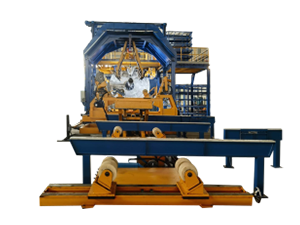
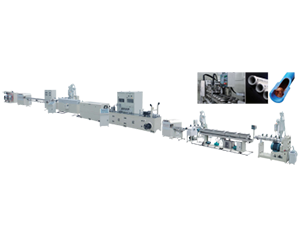
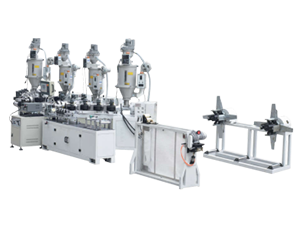
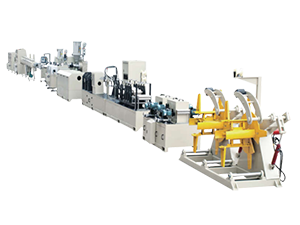
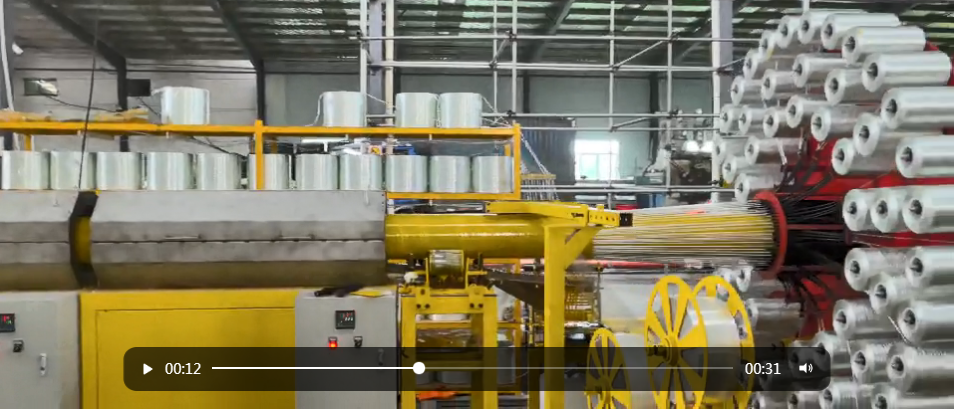
GRP pipe machines facilitate the production of pipes made from a composite material that consists of a polymer matrix reinforced with glass fibers. This combination yields pipes that are incredibly strong and resistant to a variety of stresses, making them ideal for numerous applications.
The process of manufacturing GRP pipes involves several stages, including:
- **Material Preparation:** The raw materials, including glass fibers and resin, are prepared in precise proportions.
- **Molding Process:** The prepared materials are then molded into the desired pipe shapes using advanced machinery.
- **Curing:** The molded pipes undergo a curing process that solidifies the material, enhancing its strength.
- **Quality Control:** Finally, stringent quality control measures ensure that the finished products meet industry standards.
By leveraging cutting-edge technology, GRP pipe machines offer manufacturers the ability to create high-quality pipes that meet the demands of various industries.
3. Benefits of GRP Pipe Machines in Manufacturing
The integration of GRP pipe machines in manufacturing processes offers numerous advantages. Below, we explore the key benefits that these machines bring to the production of durable products.
3.1 Durability and Strength
One of the most significant benefits of GRP pipes is their **durability**. The glass fibers embedded within the polymer matrix provide exceptional tensile strength, allowing these pipes to withstand high pressure and stress without compromising their integrity. This durability translates into longer service life for manufactured products, reducing the need for frequent replacements.
3.2 Corrosion Resistance
GRP pipes exhibit excellent **corrosion resistance**, making them suitable for applications in harsh environments. Unlike traditional materials such as steel, which can corrode and weaken over time, GRP pipes maintain their structural integrity even when exposed to aggressive chemicals and environmental conditions. This quality enhances the reliability of manufacturing products, especially in industries like oil and gas, wastewater management, and chemical processing.
3.3 Lightweight Properties
The **lightweight** nature of GRP pipes facilitates easier handling and installation. Manufacturers benefit from reduced transportation costs and simplified installation processes. This feature is particularly advantageous in projects that require extensive piping systems, where the cumulative weight of traditional materials would be substantial.
3.4 Thermal Insulation
GRP pipes also offer superior **thermal insulation** properties. They minimize heat loss or gain, which is beneficial in applications involving temperature-sensitive materials. This characteristic can lead to energy savings and improved efficiency in manufacturing processes, making GRP pipes an attractive choice for industries focused on sustainability.
4. Applications of GRP Pipe Machines in Various Industries
GRP pipe machines are employed across a wide range of industries due to the versatility and reliability of the pipes they produce. Some notable applications include:
- **Water and Wastewater Management:** GRP pipes are ideal for transporting water and sewage due to their corrosion resistance and durability.
- **Oil and Gas Industries:** These pipes can withstand harsh conditions and chemicals, making them suitable for oil and gas transportation.
- **Chemical Processing:** The chemical resistance of GRP makes it a preferred choice for transporting corrosive materials.
- **Construction:** GRP pipes are used in various construction applications, including drainage and plumbing systems.
- **Telecommunications:** The lightweight properties allow for easy installation of piping systems for telecommunication networks.
The diverse applications of GRP pipes highlight their importance in modern manufacturing and infrastructure development.
5. Comparison with Traditional Materials
When comparing GRP pipes with traditional materials such as steel and PVC, several key differences emerge:
- **Strength-to-Weight Ratio:** GRP pipes offer a superior strength-to-weight ratio, making them easier to handle and install.
- **Corrosion Resistance:** Unlike steel, GRP pipes do not corrode, reducing maintenance costs associated with traditional materials.
- **Cost-Effectiveness:** Although the initial investment in GRP technology may be higher, long-term savings from durability and low maintenance needs make them a cost-effective solution.
The comparison underscores the growing preference for GRP pipe machines in manufacturing settings that prioritize durability.
6. Environmental Impact and Sustainability
The environmental impact of manufacturing processes is increasingly under scrutiny. GRP pipe machines contribute to sustainability efforts in several ways:
- **Reduced Material Waste:** The precision of GRP manufacturing minimizes waste compared to traditional methods.
- **Longevity:** The extended lifespan of GRP pipes reduces the frequency of replacements, leading to lower resource consumption over time.
- **Recyclability:** Some GRP materials can be recycled, further decreasing the environmental footprint.
Investing in GRP technology aligns with global sustainability initiatives, making it a responsible choice for manufacturers.
7. Future of GRP Pipe Technology
The future of GRP pipe technology appears promising, with ongoing innovations aimed at enhancing performance and efficiency. Advancements in materials science may lead to even stronger and more sustainable products. Additionally, the integration of smart technologies into GRP systems could pave the way for real-time monitoring and improved maintenance strategies.
Manufacturers who embrace these developments will likely gain a competitive edge in the evolving market landscape.
8. Frequently Asked Questions (FAQs)
What are GRP pipes made of?
GRP pipes are made from a combination of glass fibers and a polymer resin, providing exceptional strength and durability.
How do GRP pipes compare to PVC pipes?
GRP pipes offer greater strength and corrosion resistance compared to PVC pipes, making them suitable for more demanding applications.
Are GRP pipes environmentally friendly?
Yes, GRP pipes are considered environmentally friendly due to their long lifespan, recyclability, and reduced material waste during manufacturing.
What industries benefit from using GRP pipes?
Industries such as water management, oil and gas, chemical processing, construction, and telecommunications widely benefit from GRP pipes.
How do GRP pipe machines improve manufacturing efficiency?
GRP pipe machines streamline the production process, reduce waste, and create high-quality products that require less maintenance, ultimately improving overall manufacturing efficiency.
9. Conclusion
Incorporating GRP pipe machines into manufacturing processes provides a significant advantage in durability and product performance. The unique properties of GRP pipes, including their strength, corrosion resistance, and lightweight nature, make them a superior choice across various industries. As manufacturers continue to embrace innovative technologies, the role of GRP pipe machines will only grow, leading to more sustainable practices and enhanced product offerings. By prioritizing GRP technology, manufacturers can ensure they remain competitive in an ever-evolving market landscape.
Contact Us
E-mail:
Phone/Wechat/WhatsApp
Address:
A2-1408, Kaichuang Avenue to Tai Plaza, Huangpu District, Guangzhou City, Guangdong Province
Related Posts


No. 20, Jiangjiang Avenue, Huadu District, Guangzhou City, Guangdong Province, China
sales@huacmachine.com


Huachuang Intelligent Technology