

-
PRODCUTS
-
APPLICATION
-
SERVICE
Understanding GRP Production Lines: Key Insights for the Manufacturing Sector
Feb 27,2025

---
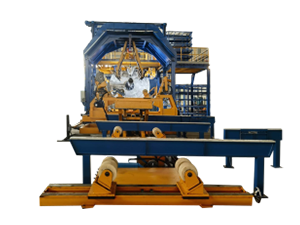
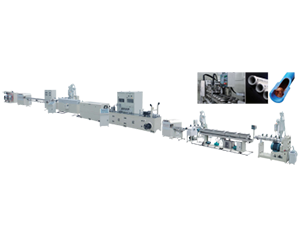
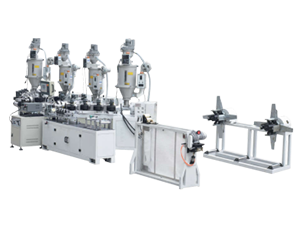
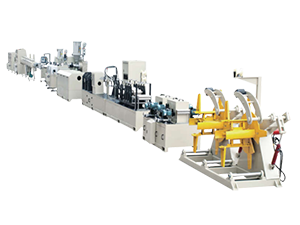
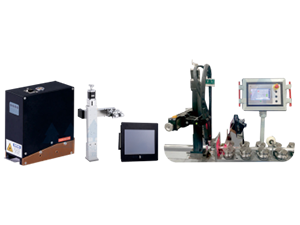
In the manufacturing sector, particularly in the realm of advanced processing machinery, GRP (Glass Reinforced Plastic) production lines have emerged as a pivotal technology. These production lines specialize in creating lightweight yet robust materials that are widely used across various industries, including aerospace, automotive, and construction. Understanding the functionality and advantages of GRP production lines can significantly enhance the decision-making processes within manufacturing operations.
A GRP production line typically consists of several key components, each playing a crucial role in the material fabrication process. The initial stage involves the preparation of raw materials, where glass fibers and resin are combined to create a composite material. This step is critical, as the quality of the resultant product heavily relies on the precise mixing of these components. Advanced mixing technologies ensure that the glass fibers are evenly distributed within the resin, which is essential for achieving the desired mechanical properties.
Once the material is prepared, the next stage in the GRP production line is the molding process. This can be conducted through various methods, such as open molding or closed molding techniques. The choice of method often depends on production volume and the complexity of the components being manufactured. For instance, closed molding techniques are particularly efficient for high-volume production, offering better control over the material thickness and reducing waste.
One of the primary advantages of a GRP production line is its ability to produce highly durable and corrosion-resistant products. GRP materials are known for their exceptional strength-to-weight ratio, making them ideal for applications where both lightweight and strength are paramount. Furthermore, these materials can withstand harsh environmental conditions, making them suitable for outdoor applications.
Efficiency is another critical aspect of GRP production lines. Automation technologies integrated into the production process can greatly reduce labor costs and minimize human error. This not only speeds up production times but also enhances overall product consistency. Additionally, modern GRP production lines often incorporate real-time monitoring systems that allow manufacturers to track production metrics, identify bottlenecks, and implement corrective actions swiftly.
In conclusion, understanding GRP production lines is crucial for manufacturers looking to leverage the advantages of advanced composite materials. From the meticulous preparation of raw materials to the sophisticated molding processes, each step in the GRP production line is designed to optimize efficiency and product quality. For those in the manufacturing sector, investing in or upgrading to a high-quality GRP production line can lead to significant operational improvements and competitive advantages in a rapidly evolving market.
In the manufacturing sector, particularly in the realm of advanced processing machinery, GRP (Glass Reinforced Plastic) production lines have emerged as a pivotal technology. These production lines specialize in creating lightweight yet robust materials that are widely used across various industries, including aerospace, automotive, and construction. Understanding the functionality and advantages of GRP production lines can significantly enhance the decision-making processes within manufacturing operations.
A GRP production line typically consists of several key components, each playing a crucial role in the material fabrication process. The initial stage involves the preparation of raw materials, where glass fibers and resin are combined to create a composite material. This step is critical, as the quality of the resultant product heavily relies on the precise mixing of these components. Advanced mixing technologies ensure that the glass fibers are evenly distributed within the resin, which is essential for achieving the desired mechanical properties.
Once the material is prepared, the next stage in the GRP production line is the molding process. This can be conducted through various methods, such as open molding or closed molding techniques. The choice of method often depends on production volume and the complexity of the components being manufactured. For instance, closed molding techniques are particularly efficient for high-volume production, offering better control over the material thickness and reducing waste.
One of the primary advantages of a GRP production line is its ability to produce highly durable and corrosion-resistant products. GRP materials are known for their exceptional strength-to-weight ratio, making them ideal for applications where both lightweight and strength are paramount. Furthermore, these materials can withstand harsh environmental conditions, making them suitable for outdoor applications.
Efficiency is another critical aspect of GRP production lines. Automation technologies integrated into the production process can greatly reduce labor costs and minimize human error. This not only speeds up production times but also enhances overall product consistency. Additionally, modern GRP production lines often incorporate real-time monitoring systems that allow manufacturers to track production metrics, identify bottlenecks, and implement corrective actions swiftly.
In conclusion, understanding GRP production lines is crucial for manufacturers looking to leverage the advantages of advanced composite materials. From the meticulous preparation of raw materials to the sophisticated molding processes, each step in the GRP production line is designed to optimize efficiency and product quality. For those in the manufacturing sector, investing in or upgrading to a high-quality GRP production line can lead to significant operational improvements and competitive advantages in a rapidly evolving market.
PREVIOUS:
Contact Us
E-mail:
Phone/Wechat/WhatsApp
Address:
A2-1408, Kaichuang Avenue to Tai Plaza, Huangpu District, Guangzhou City, Guangdong Province
Related Posts

No. 20, Jiangjiang Avenue, Huadu District, Guangzhou City, Guangdong Province, China
sales@huacmachine.com


Huachuang Intelligent Technology