

-
PRODCUTS
-
APPLICATION
-
SERVICE
Exploring the Cost-Benefit Analysis of GRP Production Lines: A Comprehensive Guide
Feb 20,2025
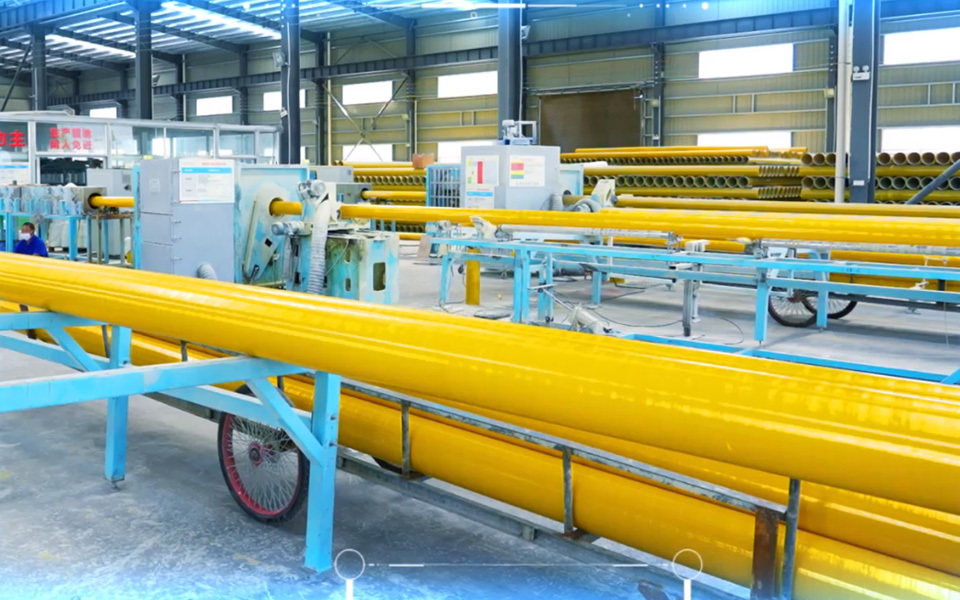
In today's rapidly evolving manufacturing landscape, the selection of production technology significantly impacts efficiency and profitability. Glass Reinforced Plastic (GRP) production lines have gained traction due to their versatility and enhanced performance characteristics. Understanding the cost-benefit spectrum of such production lines is paramount for manufacturers looking to optimize their operations and maintain a competitive edge.
Glass Reinforced Plastic is a composite material made of a polymer matrix reinforced with glass fibers. This combination results in a lightweight, durable material that exhibits superior strength-to-weight ratios compared to traditional materials. GRP's unique properties make it an ideal choice for a variety of industries, including automotive, aerospace, and construction.
A cost-benefit analysis (CBA) is an essential tool in the manufacturing sector, enabling businesses to evaluate the financial implications of adopting new technology. By systematically identifying costs and analyzing potential returns, manufacturers can make strategic decisions that align with their financial goals. This analysis paves the way for informed investment in GRP production lines, ensuring that capital is allocated efficiently.
The initial investment comprises the capital required to purchase machinery, equipment, and technology necessary for GRP production. This upfront cost can be substantial and often includes expenses related to facility modifications and compliance with safety regulations.
Once operational, GRP production lines incur ongoing operating costs such as energy consumption, waste management, and equipment upkeep. Regular maintenance ensures efficiency and longevity of the equipment, contributing to overall production reliability.
GRP offers exceptional performance characteristics, including corrosion resistance and high tensile strength. These attributes enable manufacturers to produce high-quality products that meet stringent industry standards.
While initial costs may be high, the lifecycle cost savings associated with GRP production lines make them attractive options. The durability of GRP materials leads to lower replacement rates and less frequent maintenance, resulting in long-term savings.
The adoption of GRP production lines aligns with sustainable manufacturing practices. GRP is often lighter than traditional materials, leading to reduced energy consumption during transportation and installation. Additionally, the use of recyclable materials can enhance the environmental footprint of production processes.
Examining real-world examples of companies that have successfully implemented GRP production lines can provide valuable insights. For instance, a leading automotive manufacturer reduced vehicle weight by incorporating GRP components, resulting in improved fuel efficiency and lower emissions. Another case highlights a construction firm that utilized GRP for infrastructure projects, leading to faster project completion and cost savings.
In conclusion, the decision to invest in GRP production lines involves a thorough cost-benefit analysis. By evaluating initial and ongoing costs against the multitude of benefits, manufacturers can make strategic choices that align with their operational goals. As the industry continues to evolve, embracing innovative production technologies like GRP can lead to enhanced efficiency, reduced costs, and a sustainable competitive advantage.
Contact Us
E-mail:
Phone/Wechat/WhatsApp
Address:
A2-1408, Kaichuang Avenue to Tai Plaza, Huangpu District, Guangzhou City, Guangdong Province
Related Posts


No. 20, Jiangjiang Avenue, Huadu District, Guangzhou City, Guangdong Province, China
sales@huacmachine.com


Huachuang Intelligent Technology