

-
PRODCUTS
-
APPLICATION
-
SERVICE
Understanding FRP Pipe Machinery: Innovations in Manufacturing Processes
Feb 13,2025
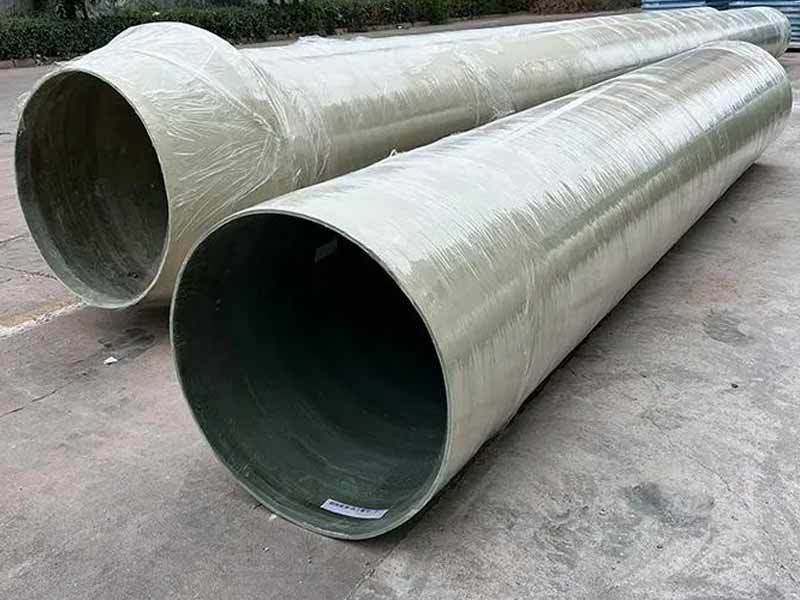
FRP (Fiberglass Reinforced Plastic) pipe machinery plays a pivotal role in the manufacturing of advanced piping solutions that are increasingly favored in various industries due to their exceptional properties. These pipes are well-known for their lightweight nature, corrosion resistance, and high strength-to-weight ratio, making them ideal for applications in water treatment, chemical processing, and construction.
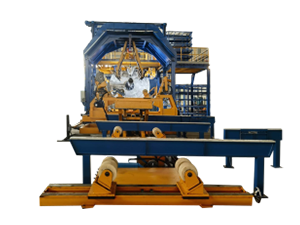
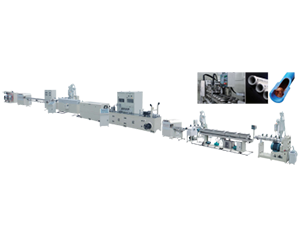
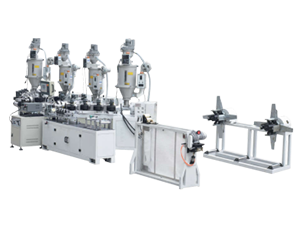
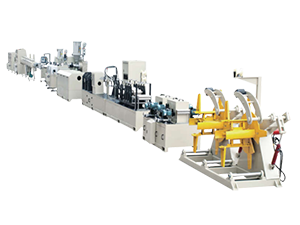
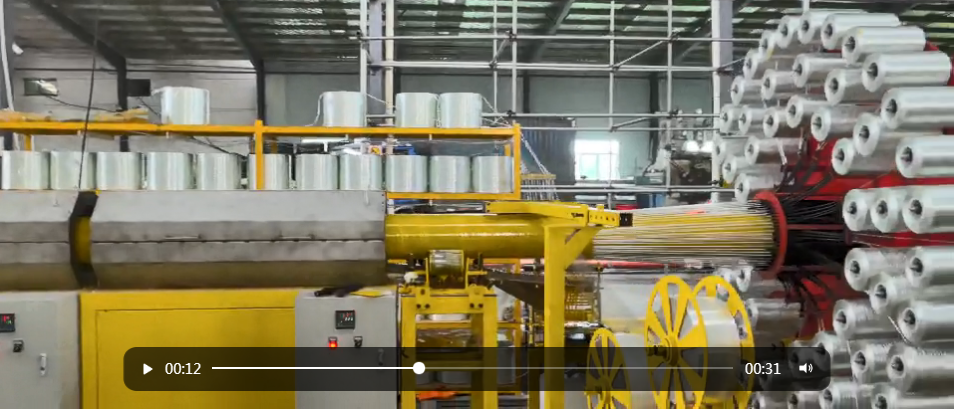
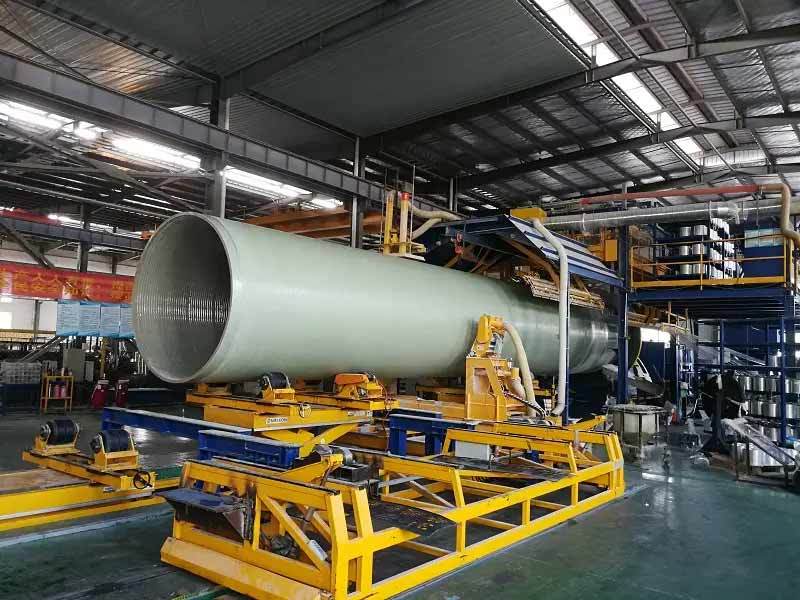
The machinery used in the production of FRP pipes typically includes a range of specialized equipment designed to facilitate the intricate processes involved. Key components often include extrusion machines, winding machines, and curing systems. These machines work in tandem to ensure that the FRP pipes produced meet rigorous quality standards and performance specifications.
One of the primary advantages of utilizing FRP pipe machinery is the efficiency it brings to the manufacturing process. The automated systems reduce labor costs and minimize human error, leading to higher production rates and consistent quality. Moreover, the machinery is often designed with flexibility in mind, allowing manufacturers to produce various pipe diameters and lengths to suit specific project needs.
Another significant benefit of FRP pipe technology is its environmental impact. The use of fiberglass materials can lead to reduced energy consumption during production compared to traditional materials like metal or concrete. Furthermore, FRP pipes can be designed for longevity, which means fewer replacements and less waste over time, contributing to sustainable manufacturing practices.
In addition to environmental considerations, FRP pipe machinery enhances the physical properties of the pipes themselves. The composite materials used in the production process provide excellent resistance to chemicals and extreme temperatures, making them suitable for demanding applications. This versatility opens up opportunities for manufacturers to cater to diverse industries, including oil and gas, telecommunications, and food processing.
Investing in FRP pipe machinery can also lead to significant cost savings in the long run. While initial setup costs may vary, the durability and low maintenance requirements of FRP pipes can lead to reduced operational expenses over time. Manufacturers can benefit from enhanced profit margins by offering superior products that meet the needs of increasingly eco-conscious customers.
In conclusion, understanding the capabilities and advantages of FRP pipe machinery is crucial for industry professionals seeking to stay competitive in the manufacturing sector. As technology continues to evolve, the adoption of advanced machinery will enable manufacturers to optimize their production processes while delivering high-quality, sustainable products. By leveraging these innovations, businesses can position themselves as leaders in the ever-changing landscape of manufacturing.
Contact Us
E-mail:
Phone/Wechat/WhatsApp
Address:
A2-1408, Kaichuang Avenue to Tai Plaza, Huangpu District, Guangzhou City, Guangdong Province
Related Posts


No. 20, Jiangjiang Avenue, Huadu District, Guangzhou City, Guangdong Province, China
sales@huacmachine.com


Huachuang Intelligent Technology