

-
PRODCUTS
-
APPLICATION
-
SERVICE
Maximizing Efficiency with Continuous Fiberglass Winding Machines
Oct 28,2025
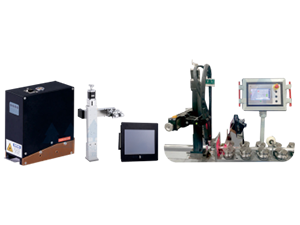
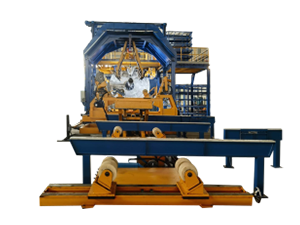
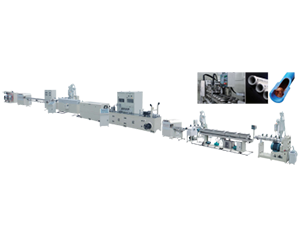
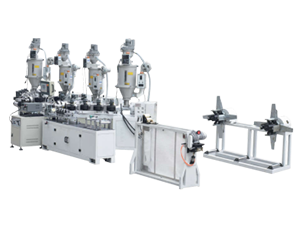
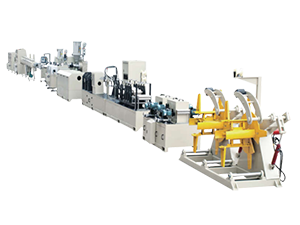
Continuous Fiberglass Winding Machines are essential tools in the manufacturing sector, particularly for industries that require high-strength, lightweight composite materials. These machines utilize a process of winding fiberglass filaments around a mold or core, producing components that boast superior mechanical properties. The continuous nature of the process allows for uninterrupted production, thereby maximizing operational efficiency.
One of the primary advantages of using a Continuous Fiberglass Winding Machine is the precision it offers. The technology enables manufacturers to control variables such as tension, winding angle, and speed, which are critical for ensuring uniform fiber distribution and optimal structural integrity. This level of precision translates to enhanced product quality, as the resulting components exhibit improved strength-to-weight ratios and durability.
Moreover, Continuous Fiberglass Winding Machines are versatile. They can be adapted to create a wide range of products, including pipes, tanks, and automotive components. This adaptability is crucial in today’s fast-paced manufacturing environment, where the ability to rapidly switch between different product lines can provide a significant competitive edge.
Another notable benefit of these machines is their capacity for automation. Many modern Continuous Fiberglass Winding Machines are equipped with advanced software that allows for real-time monitoring and adjustments, facilitating a smarter manufacturing process. This automation not only reduces labor costs but also minimizes the risk of human error, further enhancing product consistency.
In terms of sustainability, Continuous Fiberglass Winding Machines also contribute positively. The efficient use of materials reduces waste, and the prolonged lifespan of the fiberglass products leads to less frequent replacements, thus lowering the overall environmental impact. As industries increasingly prioritize sustainable practices, the adoption of these machines aligns with such goals.
Training and maintenance are pivotal when integrating Continuous Fiberglass Winding Machines into production lines. Operators must be knowledgeable about machine settings and troubleshooting procedures to maximize efficiency and minimize downtime. Regular maintenance schedules should also be established to ensure the machines operate at peak performance, thereby safeguarding investments.
In conclusion, Continuous Fiberglass Winding Machines represent a significant advancement in the manufacturing arena. Their ability to streamline production, enhance product quality, and support sustainable practices makes them a valuable asset for businesses looking to innovate and improve their manufacturing processes. Embracing this technology can not only lead to better products but also to a more efficient and environmentally friendly approach to manufacturing.
One of the primary advantages of using a Continuous Fiberglass Winding Machine is the precision it offers. The technology enables manufacturers to control variables such as tension, winding angle, and speed, which are critical for ensuring uniform fiber distribution and optimal structural integrity. This level of precision translates to enhanced product quality, as the resulting components exhibit improved strength-to-weight ratios and durability.
Moreover, Continuous Fiberglass Winding Machines are versatile. They can be adapted to create a wide range of products, including pipes, tanks, and automotive components. This adaptability is crucial in today’s fast-paced manufacturing environment, where the ability to rapidly switch between different product lines can provide a significant competitive edge.
Another notable benefit of these machines is their capacity for automation. Many modern Continuous Fiberglass Winding Machines are equipped with advanced software that allows for real-time monitoring and adjustments, facilitating a smarter manufacturing process. This automation not only reduces labor costs but also minimizes the risk of human error, further enhancing product consistency.
In terms of sustainability, Continuous Fiberglass Winding Machines also contribute positively. The efficient use of materials reduces waste, and the prolonged lifespan of the fiberglass products leads to less frequent replacements, thus lowering the overall environmental impact. As industries increasingly prioritize sustainable practices, the adoption of these machines aligns with such goals.
Training and maintenance are pivotal when integrating Continuous Fiberglass Winding Machines into production lines. Operators must be knowledgeable about machine settings and troubleshooting procedures to maximize efficiency and minimize downtime. Regular maintenance schedules should also be established to ensure the machines operate at peak performance, thereby safeguarding investments.
In conclusion, Continuous Fiberglass Winding Machines represent a significant advancement in the manufacturing arena. Their ability to streamline production, enhance product quality, and support sustainable practices makes them a valuable asset for businesses looking to innovate and improve their manufacturing processes. Embracing this technology can not only lead to better products but also to a more efficient and environmentally friendly approach to manufacturing.
Contact Us
E-mail:
Phone/Wechat/WhatsApp
Address:
A2-1408, Kaichuang Avenue to Tai Plaza, Huangpu District, Guangzhou City, Guangdong Province
Related Posts


No. 20, Jiangjiang Avenue, Huadu District, Guangzhou City, Guangdong Province, China
sales@huacmachine.com


Huachuang Intelligent Technology