

-
PRODCUTS
-
APPLICATION
-
SERVICE
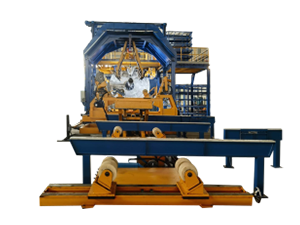
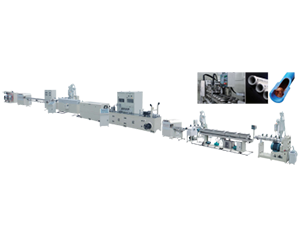
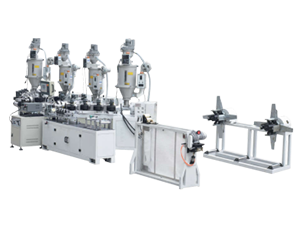
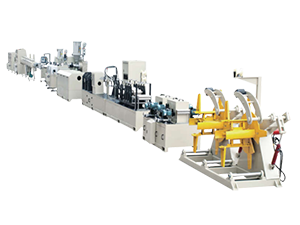
The Crucial Role of Maintenance in Extending the Lifespan of Pipes Production Lines
Nov 04,2025

The Crucial Role of Maintenance in Extending the Lifespan of Pipes Production Lines
Table of Contents
- 1. Introduction to Pipes Production Lines
- 2. Importance of Maintenance in Pipes Production Lines
- 3. Types of Maintenance Practices for Pipes Production Lines
- 4. Best Practices for Maintaining Pipes Production Lines
- 5. Impact of Maintenance on Productivity and Efficiency
- 6. Case Studies: Successful Maintenance Strategies
- 7. Challenges in Maintenance of Pipes Production Lines
- 8. Future Trends in Maintenance for Pipes Production Lines
- 9. Conclusion
- 10. FAQs about Maintenance in Pipes Production Lines
1. Introduction to Pipes Production Lines
Pipes production lines represent the backbone of the piping industry, facilitating the manufacturing of various pipes used across multiple sectors including construction, plumbing, and oil and gas. As these production lines involve complex machinery and technology, effective maintenance is essential not only for operational longevity but also for the overall efficiency and productivity of the production process.
2. Importance of Maintenance in Pipes Production Lines
The importance of maintenance in pipes production lines cannot be overstated. Regular maintenance ensures that machinery operates at peak performance, reducing the likelihood of unplanned downtime. In industries where time is money, such unexpected breaks can lead to significant financial losses. Moreover, proper maintenance practices extend the lifespan of equipment, which in turn reduces the need for costly replacements.
3. Types of Maintenance Practices for Pipes Production Lines
Understanding the different types of maintenance practices is crucial for optimizing the upkeep of pipes production lines.
3.1 Preventive Maintenance
Preventive maintenance involves scheduled maintenance tasks designed to prevent equipment failures before they occur. This can include routine inspections, lubrication of moving parts, and replacement of components based on a predetermined schedule. By adhering to a preventive maintenance plan, companies can drastically reduce the likelihood of sudden breakdowns, thus enhancing productivity.
3.2 Predictive Maintenance
Predictive maintenance leverages data and analytics to predict when equipment failures might occur. By utilizing sensors and monitoring tools, companies can assess the condition of their machinery and determine the optimal time for maintenance. This proactive approach minimizes unnecessary maintenance activities and extends equipment life.
3.3 Corrective Maintenance
Corrective maintenance is performed after a piece of equipment has failed. While this reactive approach is sometimes unavoidable, relying solely on corrective maintenance can lead to increased downtime and higher costs. It is often viewed as the least desirable maintenance strategy and should be supplemented with preventive and predictive measures to ensure overall efficiency.
4. Best Practices for Maintaining Pipes Production Lines
Implementing best practices in maintenance can lead to significant improvements in the longevity and efficiency of pipes production lines.
4.1 Regular Inspections
Conducting regular inspections of machinery can help identify potential problems before they escalate. Inspections should focus on key components such as pumps, valves, and sensors, ensuring that any wear and tear is addressed promptly.
4.2 Training Staff
Investing in training for staff is essential. Employees should be well-versed in operating machinery safely and effectively, as well as in recognizing signs of potential issues. A knowledgeable workforce is far more capable of maintaining equipment properly, leading to enhanced operational longevity.
4.3 Using Quality Parts
Utilizing high-quality replacement parts is crucial for maintaining machinery performance. Cheaper alternatives may save money initially, but they often lead to more frequent breakdowns and repairs. Investing in quality components ensures reliability and extends the lifespan of equipment.
5. Impact of Maintenance on Productivity and Efficiency
Regular maintenance directly impacts the productivity and efficiency of pipes production lines. Well-maintained machinery operates more smoothly and reliably, allowing for higher production rates. Additionally, reduced unplanned downtime means that production schedules can be adhered to more closely, enhancing overall operational efficiency.
6. Case Studies: Successful Maintenance Strategies
Examining successful case studies can provide valuable insights into effective maintenance strategies. For instance, a leading pipes manufacturer implemented a predictive maintenance program that resulted in a 30% decrease in unplanned downtime over two years. By utilizing data analytics, they were able to schedule maintenance more effectively and optimize the performance of their production lines.
7. Challenges in Maintenance of Pipes Production Lines
Despite the numerous benefits of maintenance, challenges still exist. Some companies may struggle with limited budgets for maintenance programs, while others may face difficulties in training staff or accessing quality parts. Addressing these challenges requires a strategic approach, balancing immediate operational needs with long-term maintenance goals.
8. Future Trends in Maintenance for Pipes Production Lines
The future of maintenance in pipes production lines is likely to be heavily influenced by advancements in technology. Innovations such as the Internet of Things (IoT) and artificial intelligence (AI) are set to revolutionize maintenance practices. These technologies enable real-time monitoring and analysis, significantly improving predictive maintenance capabilities and allowing for more informed decision-making regarding maintenance schedules.
9. Conclusion
The role of maintenance in the longevity of pipes production lines is pivotal. By embracing a variety of maintenance strategies, including preventive, predictive, and corrective measures, companies can significantly extend the lifespan of their equipment. Implementing best practices—such as regular inspections, thorough staff training, and using quality parts—ensures that pipes production lines operate efficiently and effectively. As industries continue to evolve, staying ahead of maintenance trends will be essential for maintaining competitive advantage.
10. FAQs about Maintenance in Pipes Production Lines
1. What is the best type of maintenance for pipes production lines?
The best type of maintenance often combines preventive and predictive strategies, allowing for proactive issue identification and resolution before failures occur.
2. How often should pipes production lines be inspected?
Inspections should be conducted regularly, typically monthly or quarterly, depending on the usage and operating conditions of the equipment.
3. What are some common maintenance tasks for pipes production lines?
Common maintenance tasks include lubrication of moving parts, replacing worn-out components, and cleaning machinery to prevent buildup that could impair performance.
4. How can training improve maintenance practices?
Training equips staff with the knowledge and skills needed to operate machinery safely and efficiently, allowing them to identify potential issues early and maintain equipment effectively.
5. How does maintenance impact production cost?
Effective maintenance reduces unplanned downtime, leading to increased productivity and lower operational costs over time. Investing in maintenance ultimately saves money by preventing expensive repairs and replacements.
Contact Us
E-mail:
Phone/Wechat/WhatsApp
Address:
A2-1408, Kaichuang Avenue to Tai Plaza, Huangpu District, Guangzhou City, Guangdong Province
Related Posts


No. 20, Jiangjiang Avenue, Huadu District, Guangzhou City, Guangdong Province, China
sales@huacmachine.com


Huachuang Intelligent Technology