

-
PRODCUTS
-
APPLICATION
-
SERVICE
Understanding Continuous Fiberglass Winding Machines: Innovations in Manufacturing
Nov 23,2024
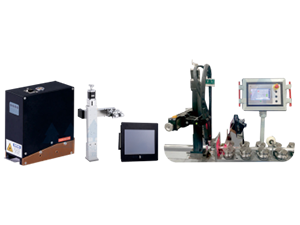
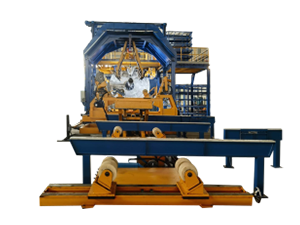
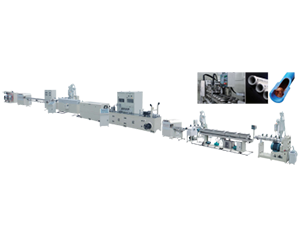
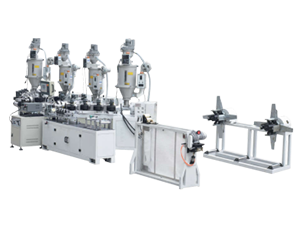
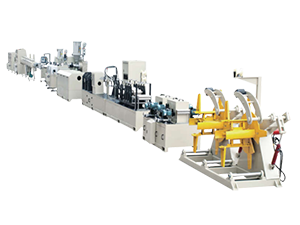
Continuous fiberglass winding machines represent a significant advancement in the field of manufacturing machinery, specifically for industries engaged in the production of composite materials. These machines are designed to automate the process of winding fiberglass around a mold or core, creating strong and lightweight structures that are essential in various applications, from aerospace to automotive and beyond.
The technology behind continuous fiberglass winding machines typically involves the use of programmable logic controllers (PLCs) and advanced robotics to ensure precise control of the winding process. This automation not only increases the speed of production but also enhances the consistency and quality of the final product. By allowing for the precise layering of fiberglass, manufacturers can achieve optimal material properties, such as increased strength and reduced weight, which are crucial in industries where performance and durability are paramount.
One of the primary advantages of using continuous fiberglass winding machines is the significant reduction in labor costs. Since the winding process can be automated, the need for manual labor is minimized, allowing companies to reallocate their workforce to other critical areas of production. Additionally, the consistent quality achieved through automation reduces the chances of defects, which can lead to costly rework or scrap, ultimately improving overall operational efficiency.
Furthermore, continuous fiberglass winding machines are highly versatile. They can be configured to produce various shapes and sizes, making them suitable for a wide range of applications. This adaptability is essential for manufacturers who require flexibility in their production processes to meet diverse customer demands. Whether producing pipes, tanks, or structural components, these machines can be tailored to suit specific project requirements.
The implementation of continuous fiberglass winding technology also promotes sustainability in manufacturing. By optimizing material usage and minimizing waste, companies can enhance their eco-friendliness while also achieving cost savings. The lightweight nature of fiberglass products leads to reduced energy consumption during transportation and use, aligning with global initiatives aimed at reducing carbon footprints.
In conclusion, continuous fiberglass winding machines serve as a pivotal element in modern manufacturing processes. Their ability to enhance productivity, improve product quality, and reduce operational costs makes them an invaluable investment for manufacturers across various sectors. As industries continue to evolve, the integration of advanced technologies like continuous fiberglass winding will undoubtedly play a crucial role in shaping the future of manufacturing.
PREVIOUS:
Contact Us
E-mail:
Phone/Wechat/WhatsApp
Address:
A2-1408, Kaichuang Avenue to Tai Plaza, Huangpu District, Guangzhou City, Guangdong Province
Related Posts


No. 20, Jiangjiang Avenue, Huadu District, Guangzhou City, Guangdong Province, China
sales@huacmachine.com


Huachuang Intelligent Technology