

-
PRODCUTS
-
APPLICATION
-
SERVICE
Unlocking Innovation: Advantages of Using Continuous Fiberglass Winding Technology
Nov 18,2024
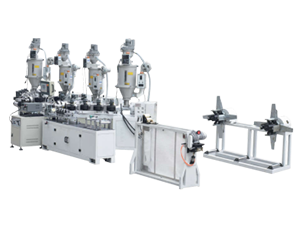
Continuous Fiberglass Winding Technology represents a significant advancement in the realm of manufacturing processes. This innovative method involves the precise placement of fiberglass fibers around a mandrel, creating strong, lightweight, and durable composite structures. As industries strive for better efficiency, reduced costs, and enhanced product performance, the adoption of this technology has gained immense popularity. In this article, we will delve into the myriad advantages of utilizing Continuous Fiberglass Winding Technology, providing insights into its workings, applications, and future potential.
What is Continuous Fiberglass Winding?
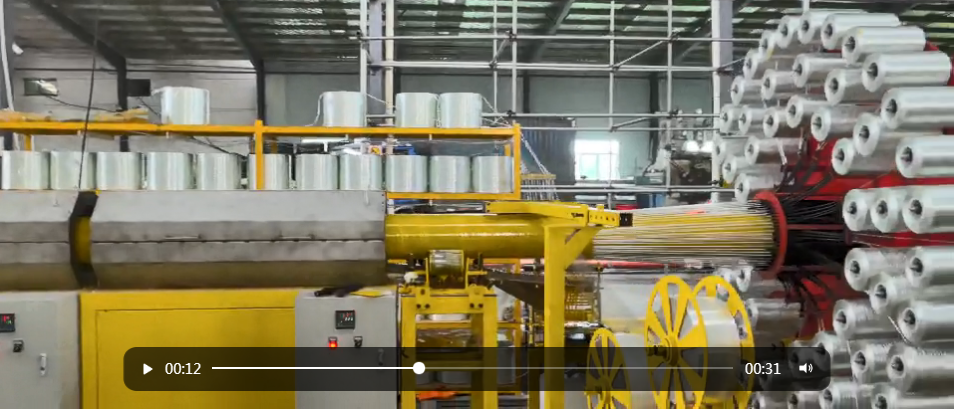
Continuous Fiberglass Winding is a manufacturing process that utilizes fiberglass strands to create composite materials. These strands are continuously fed and wound around a rotating mandrel, forming layers that adhere together to create a final product. This technique allows for the production of complex shapes and sizes, making it suitable for a wide range of applications, from pipes and tanks to structural components in aerospace and automotive industries.
The process typically involves the use of advanced machinery that controls the tension, speed, and angle of the fiberglass strands, ensuring consistent quality and performance. The end result is a product that boasts high strength-to-weight ratios, corrosion resistance, and thermal stability.
Key Advantages of Continuous Fiberglass Winding Technology
The advantages of Continuous Fiberglass Winding Technology are numerous, making it a preferred choice in various manufacturing sectors. Below are some of the key benefits:
1. Enhanced Strength and Durability
One of the most significant advantages of Continuous Fiberglass Winding is its ability to produce materials with superior strength and durability. The tightly wound fiberglass layers result in a composite structure that can withstand extreme conditions, including high pressure and corrosive environments. This durability translates into longer product lifespans and reduced maintenance costs.
2. Lightweight Properties
Products manufactured using Continuous Fiberglass Winding Technology are considerably lighter than traditional materials like steel or aluminum. This lightweight characteristic is crucial, particularly in industries such as aerospace and automotive, where weight reduction can lead to significant fuel savings and improved performance.
3. Cost-Effectiveness
While the initial investment in Continuous Fiberglass Winding machinery can be substantial, the long-term cost savings are compelling. The efficiency of the process, coupled with the reduced need for maintenance and repairs, culminates in lower operational costs. Additionally, the lightweight nature of the products can lead to reduced shipping and handling expenses.
4. Versatile Applications
Continuous Fiberglass Winding Technology is highly versatile, find applications in various sectors such as construction, aerospace, automotive, and energy. This adaptability makes it an invaluable asset for manufacturers seeking to innovate and expand their product offerings.
5. Sustainable Manufacturing Practices
With growing concerns about environmental sustainability, Continuous Fiberglass Winding Technology aligns well with eco-friendly manufacturing practices. The use of fiberglass reduces reliance on traditional materials that may have a higher environmental footprint. Furthermore, the process generates minimal waste, contributing to greener production methods.
Applications of Continuous Fiberglass Winding in Various Industries
The versatility of Continuous Fiberglass Winding Technology allows it to be employed across a multitude of industries, each benefiting from its unique properties.
1. Aerospace
In the aerospace sector, weight is a critical factor. Continuous Fiberglass Winding produces components that are both lightweight and strong, making them ideal for aircraft structures, fuel tanks, and other essential elements. The technology aids in enhancing fuel efficiency and overall performance.
2. Automotive
The automotive industry has embraced Continuous Fiberglass Winding for producing lightweight parts, including body panels, chassis components, and fuel tanks. These parts not only reduce overall vehicle weight but also improve safety and performance.
3. Energy
Renewable energy applications, such as wind turbine blades, benefit significantly from Continuous Fiberglass Winding Technology. The strength-to-weight ratio allows for the creation of larger and more efficient turbines, contributing to enhanced energy production.
4. Construction
In construction, Continuous Fiberglass Winding is utilized to create strong and durable pipes, tanks, and structural components. These products offer excellent resistance to corrosion and environmental degradation, making them suitable for harsh conditions.
5. Marine
Marine applications also leverage Continuous Fiberglass Winding, particularly in producing boat hulls and other structures that require lightweight yet robust materials. The resistance to water and chemicals makes fiberglass an ideal choice for marine environments.
How Continuous Fiberglass Winding Works
Understanding the process of Continuous Fiberglass Winding is crucial to appreciating its advantages. The process can be broken down into several key steps:
1. Preparation of the Mandrel
The manufacturing process begins with the preparation of a mandrel, which serves as the core around which the fiberglass is wound. The mandrel is typically made of a material that can withstand the winding process and is designed in the shape of the intended final product.
2. Feeding of Fiberglass Strands
Fiberglass strands are fed into the winding machine, which is equipped with mechanisms to control the tension and speed of the strands. This control is crucial for ensuring the structural integrity of the final product.
3. Winding Process
The machine rotates the mandrel while simultaneously winding the fiberglass strands around it. The angle of the winding can be adjusted to create different patterns, enhancing the strength of the composite material.
4. Curing and Finishing
Once the desired thickness is achieved, the fiberglass is cured using heat or chemical processes, solidifying the structure. After curing, finishing processes such as sanding, painting, or coating can be applied to achieve the desired surface quality.
Environmental Impact of Continuous Fiberglass Winding Technology
The environmental impact of manufacturing processes is an increasingly important consideration for businesses and consumers alike. Continuous Fiberglass Winding Technology offers several environmentally friendly advantages:
1. Reduced Material Waste
The precise nature of the winding process minimizes material waste compared to traditional manufacturing methods. This efficiency not only lowers costs but also reduces the environmental footprint of production.
2. Recyclability of Fiberglass
Fiberglass materials can often be recycled, further contributing to sustainable manufacturing practices. The ability to repurpose materials at the end of a product's life cycle aligns with the principles of a circular economy.
3. Energy Efficiency
The energy required for the Continuous Fiberglass Winding process is generally lower than that needed for traditional processes, such as metal forming. This reduced energy consumption contributes to lower carbon emissions and a smaller overall environmental impact.
The Future of Continuous Fiberglass Winding Technology
As industries continue to evolve, Continuous Fiberglass Winding Technology is poised for significant growth and innovation. Several trends are shaping its future:
1. Advancements in Materials
Research and development in composite materials are likely to lead to even stronger and more lightweight fiberglass options. This advancement will enhance the performance of products across various applications.
2. Automation and Smart Manufacturing
The integration of automation and smart technologies into the Continuous Fiberglass Winding process is expected to improve efficiency and reduce costs. Enhanced monitoring and control systems will enable manufacturers to optimize production in real-time.
3. Increased Sustainability Efforts
With a growing emphasis on sustainability, Continuous Fiberglass Winding is well-positioned to meet the demand for eco-friendly manufacturing solutions. Innovations aimed at reducing environmental impact will continue to drive interest in this technology.
FAQs about Continuous Fiberglass Winding Technology
1. What are the primary materials used in Continuous Fiberglass Winding?
The primary material used in this process is fiberglass, which can be combined with resins to enhance properties such as strength, thermal stability, and corrosion resistance.
2. Can Continuous Fiberglass Winding be used for small-scale production?
Yes, Continuous Fiberglass Winding can be adapted for both large-scale and small-scale production, making it suitable for a variety of manufacturing needs.
3. What industries benefit most from Continuous Fiberglass Winding Technology?
Key industries benefiting from this technology include aerospace, automotive, energy, construction, and marine, among others.
4. How does Continuous Fiberglass Winding compare to traditional manufacturing methods?
Continuous Fiberglass Winding offers advantages such as improved strength-to-weight ratios, reduced material waste, and lower long-term costs compared to traditional methods.
5. What is the environmental impact of Continuous Fiberglass Winding?
The process is designed to minimize material waste, reduce energy consumption, and promote recyclability, making it a more sustainable option than many traditional manufacturing techniques.
Conclusion
Continuous Fiberglass Winding Technology stands at the forefront of innovation in manufacturing. Its advantages—ranging from enhanced strength and lightweight properties to cost-effectiveness and sustainability—make it an attractive option for various industries. As we look to the future, advancements in materials and automation promise to further elevate the capabilities of this technology. By embracing Continuous Fiberglass Winding, manufacturers can unlock new opportunities for growth, efficiency, and sustainable practices in a rapidly changing industrial landscape.
Contact Us
E-mail:
Phone/Wechat/WhatsApp
Address:
A2-1408, Kaichuang Avenue to Tai Plaza, Huangpu District, Guangzhou City, Guangdong Province
Related Posts


No. 20, Jiangjiang Avenue, Huadu District, Guangzhou City, Guangdong Province, China
sales@huacmachine.com


Huachuang Intelligent Technology