

-
PRODCUTS
-
APPLICATION
-
SERVICE
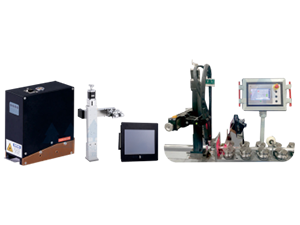
Optimizing Your Pipes Production Line: Key Considerations for Efficiency and Quality
Dec 03,2024

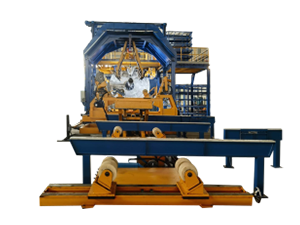
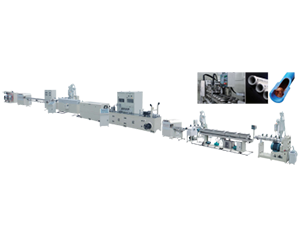
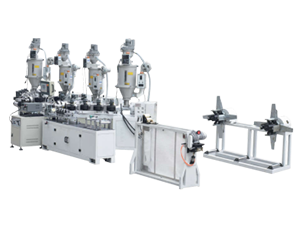
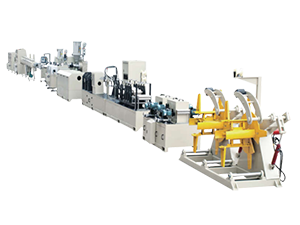
In the manufacturing sector, particularly in the realm of industrial assembly lines and production lines, the Pipes Production Line plays a crucial role in ensuring that high-quality piping products are produced efficiently. This article will delve into the critical components and considerations that can help businesses optimize their Pipes Production Line for better productivity and quality.
One of the first steps in establishing an efficient Pipes Production Line is understanding the various stages involved in pipe manufacturing. Typically, this process includes material selection, cutting, bending, welding, and finishing. Each of these stages must be carefully monitored and optimized. For instance, utilizing automated cutting systems can significantly reduce waste and improve precision in the initial material handling stage.
Another important aspect is the choice of machinery. Investing in modern, high-performance equipment can make a substantial difference in the overall efficiency of the Pipes Production Line. Machines such as CNC pipe benders and automated welding systems not only enhance productivity but also ensure consistent quality in the final product. Regular maintenance and upgrades of this equipment are essential to minimize downtime and maintain operational efficiency.
Quality control is another critical factor in optimizing your Pipes Production Line. Implementing strict quality assurance protocols at each stage of production helps identify defects early in the process, reducing the risk of costly rework or waste. Employing advanced inspection technologies, such as non-destructive testing methods, can enhance the reliability of your quality control efforts.
In addition to machinery and quality control, workforce training is paramount. A skilled workforce capable of operating and maintaining the advanced machinery will directly influence the productivity and efficiency of the Pipes Production Line. Regular training sessions can keep employees updated on the latest technologies and best practices, fostering a culture of continuous improvement.
Moreover, the layout of the production line should facilitate smooth workflow and minimize bottlenecks. A well-designed Pipes Production Line can enhance the overall efficiency of the manufacturing process. Consideration should be given to the arrangement of machines, the flow of materials, and the ergonomic needs of workers to create an optimal working environment.
Finally, it’s essential to continuously assess and analyze production data. Utilizing data analytics can provide insights into production trends, identify inefficiencies, and inform decision-making. This proactive approach will enable manufacturers to make informed adjustments to their Pipes Production Line, enhancing productivity and ensuring quality standards are met consistently.
In conclusion, optimizing a Pipes Production Line involves a multifaceted approach that includes advanced machinery, rigorous quality control, effective workforce training, and a well-thought-out production layout. By focusing on these key elements, manufacturers can ensure they meet the demands of the market while maintaining high standards of quality and efficiency.
Contact Us
E-mail:
Phone/Wechat/WhatsApp
Address:
A2-1408, Kaichuang Avenue to Tai Plaza, Huangpu District, Guangzhou City, Guangdong Province
Related Posts


No. 20, Jiangjiang Avenue, Huadu District, Guangzhou City, Guangdong Province, China
sales@huacmachine.com


Huachuang Intelligent Technology