

-
PRODCUTS
-
APPLICATION
-
SERVICE
How to Effectively Train Your Team for a Pipes Production Line Environment
Dec 08,2024
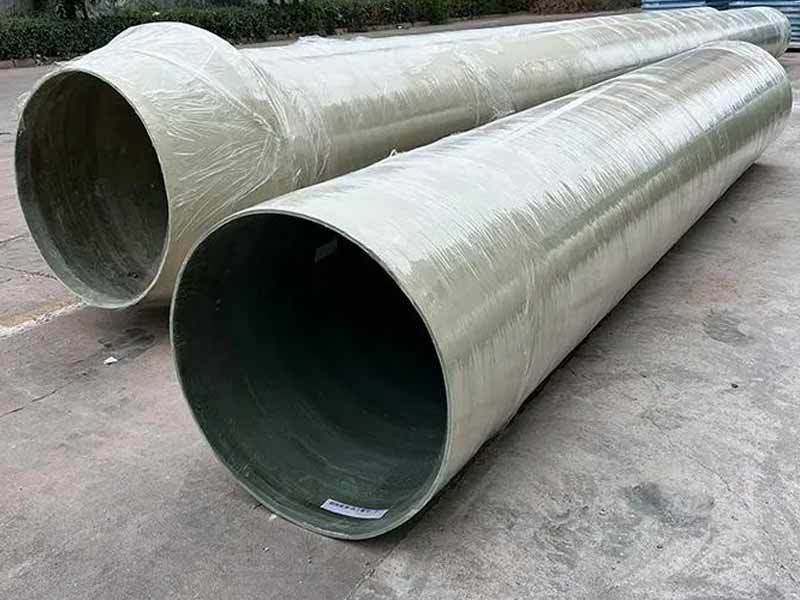
Training a team for a pipes production line environment is critical for ensuring efficiency, quality, and safety. In an industry where precision and speed are paramount, having a well-trained team can significantly impact productivity and output quality. This article provides an in-depth exploration of the essential components involved in training your team, from understanding the environment to implementing effective training programs.
Before we embark on the training journey, it is essential to understand the intricacies of a pipes production line environment. This environment typically involves various processes, including raw material handling, manufacturing, assembly, and quality control. It is crucial that team members grasp how their roles fit into the larger production workflow.
One of the first steps in training is to provide a comprehensive orientation that covers the entire production line process. This orientation should include a walkthrough of the facilities, an introduction to equipment, and an overview of safety protocols.
Creating a structured training program is essential for the successful onboarding of new employees. A well-defined program should include both theoretical and practical components.
Setting clear training goals is vital for measuring progress. These goals should align with the overall objectives of the production line and address specific skill gaps identified during the initial assessment.
A detailed training schedule should outline the various topics covered, the duration of each session, and the methods of instruction. This schedule should be flexible enough to accommodate different learning paces and styles.
Utilizing simulation-based training can provide employees with a risk-free environment to practice their skills. This method allows them to familiarize themselves with equipment and processes without the pressure of real-time production.
Pairing new employees with experienced mentors can enhance the learning experience. Mentorship programs facilitate knowledge sharing and provide new hires with a support system as they acclimate to their roles.
Safety should always be a top priority in any industrial setting. In a pipes production line, where heavy machinery and hazardous materials are present, comprehensive safety training is non-negotiable.
Training should include detailed instructions on safety protocols, including the proper use of personal protective equipment (PPE), emergency procedures, and hazard communication.
Conducting regular safety drills ensures that employees are prepared for potential emergencies. These drills should simulate various scenarios, allowing workers to practice their response in a controlled environment.
Training should not be a one-time event but rather an ongoing process. Continuous education helps keep the team updated on new technologies, production methods, and safety regulations.
Regular performance evaluations can help identify areas for improvement and ensure that employees are meeting the established training goals. Feedback should be constructive and aimed at fostering growth.
As team members become more proficient in their roles, providing opportunities for advanced training can help them develop specialized skills. These could include advanced machinery operation or leadership training for potential supervisors.
Establishing channels for open communication allows team members to share ideas, ask questions, and address concerns. Regular team meetings can facilitate this exchange and strengthen team dynamics.
Incorporating team-building activities into the training program can enhance relationships among team members. These activities can range from problem-solving exercises to social events, fostering a sense of unity and collaboration.
Effectively training your team for a pipes production line environment is essential for maximizing productivity, ensuring quality, and maintaining safety standards. By understanding the unique aspects of the production line, developing a comprehensive training program, and fostering a culture of teamwork and communication, organizations can equip their workers with the necessary skills to excel in their roles. Investing in training not only enhances individual performance but also contributes to the overall success of the production line.
Contact Us
E-mail:
Phone/Wechat/WhatsApp
Address:
A2-1408, Kaichuang Avenue to Tai Plaza, Huangpu District, Guangzhou City, Guangdong Province
Related Posts


No. 20, Jiangjiang Avenue, Huadu District, Guangzhou City, Guangdong Province, China
sales@huacmachine.com


Huachuang Intelligent Technology