

-
PRODCUTS
-
APPLICATION
-
SERVICE
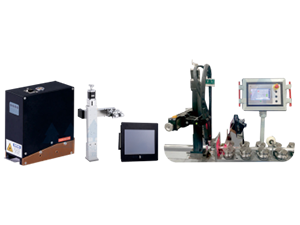
Pipes Production Line: Optimizing Efficiency in Manufacturing
Dec 13,2024
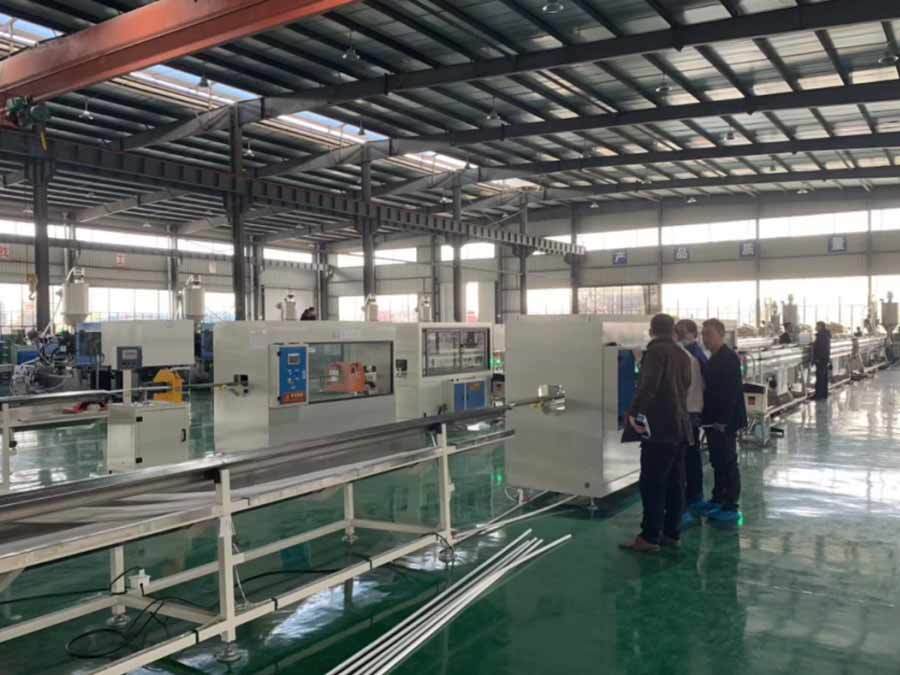
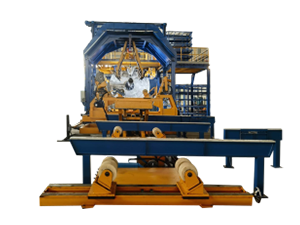
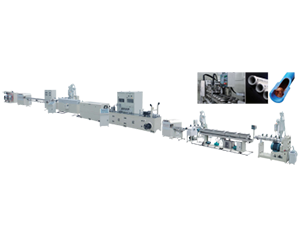
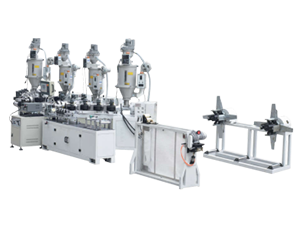
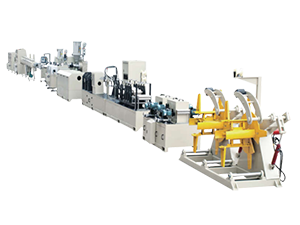
The Pipes Production Line is an essential assembly line in the manufacturing sector, particularly in the production of various types of pipes used across industries such as construction, automotive, and plumbing. Understanding how to effectively implement and optimize a Pipes Production Line can significantly enhance productivity, reduce waste, and streamline operational processes.
At the core of a Pipes Production Line is the machinery designed for the efficient manufacture of pipes made from materials like plastic, metal, or composite substances. These lines typically incorporate processes such as extrusion, molding, and cutting, tailored to meet specific production requirements. The design of a production line should be aligned with the intended product specifications, ensuring that the machinery used can adapt to varying sizes, shapes, and materials.
One of the key considerations in the operation of a Pipes Production Line is the integration of automation. Modern production lines increasingly utilize automated systems to enhance precision and speed while minimizing human error. Techniques such as computer numerical control (CNC) allow for precise machining of pipes, ensuring consistent quality across batches. Additionally, automated inspection systems can quickly identify defects in the production process, allowing for immediate adjustments and reducing the likelihood of costly errors.
Another important aspect is the maintenance of the production line. Regular maintenance schedules must be adhered to, ensuring that machinery operates smoothly and efficiently. Predictive maintenance technologies can also be employed, utilizing sensors to monitor equipment conditions in real-time, thus minimizing downtime and extending the lifespan of expensive machinery.
Moreover, optimizing the layout of the Pipes Production Line is crucial. A well-designed layout minimizes the movement of materials, reduces cycle times, and maximizes efficiency. Lean manufacturing principles can be applied to eliminate waste, streamline workflows, and enhance overall productivity. By reviewing the production flow and making necessary adjustments to the layout, manufacturers can achieve significant improvements in both speed and quality.
Training and development of personnel are equally vital. Workers should be well-versed in operating the equipment and understanding the production process to identify and solve issues as they arise. Continuous training programs can foster a culture of improvement and innovation, leading to better outcomes on the production line.
In conclusion, the Pipes Production Line plays a pivotal role in the manufacturing of pipes across various industries. By focusing on automation, maintenance, layout optimization, and workforce training, manufacturers can achieve a more efficient and effective production process. This not only enhances output but also contributes to sustainable practices by reducing waste and improving resource utilization. Embracing these strategies will position a manufacturing operation for success in a competitive landscape.
Contact Us
E-mail:
Phone/Wechat/WhatsApp
Address:
A2-1408, Kaichuang Avenue to Tai Plaza, Huangpu District, Guangzhou City, Guangdong Province
Related Posts


No. 20, Jiangjiang Avenue, Huadu District, Guangzhou City, Guangdong Province, China
sales@huacmachine.com


Huachuang Intelligent Technology