

-
PRODCUTS
-
APPLICATION
-
SERVICE
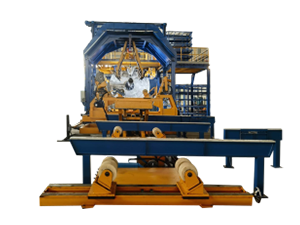
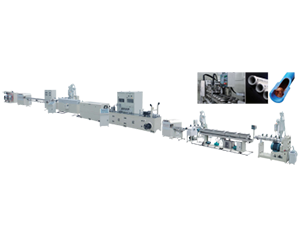
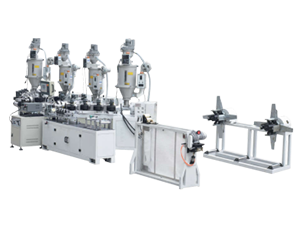
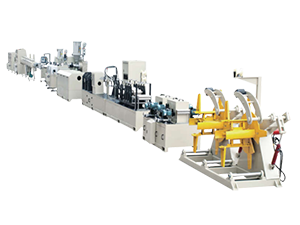
The Future of Composite Manufacturing: Innovations in Filament Winding Technology
Dec 18,2024
Composite manufacturing has revolutionized the way industries approach material production and application. With the growing demand for lightweight, durable, and high-performance materials, composites have become indispensable across various sectors including aerospace, automotive, and marine industries. One of the most innovative techniques within this realm is filament winding, which has emerged as a leading method for producing composite components.
In this article, we will delve deep into the advancements in filament winding technology, exploring its implications for the future of composite manufacturing.
Sustainability is a paramount concern in manufacturing today. Filament winding technology contributes to sustainable practices by minimizing material waste. The precise nature of the winding process allows for the efficient use of raw materials, which is particularly vital in industries where material costs are high.
Moreover, advanced curing methods, such as out-of-autoclave (OoA) systems, can significantly reduce energy consumption during the curing phase. This innovation not only lowers operational costs but also decreases the overall carbon footprint of composite manufacturing.
An emerging trend in the composite industry is the development of recyclable composites. Innovations in filament winding technology have led to the creation of materials that can be efficiently recycled at the end of their lifecycle. This aligns with global efforts to promote a circular economy, where materials are reused and repurposed rather than discarded.
The aerospace sector is a primary beneficiary of advancements in filament winding technology. Components such as fuel tanks, rocket casings, and structural components are increasingly being produced using this method. The lightweight nature of filament-wound composites contributes to fuel efficiency and performance improvements in aircraft and spacecraft.
As the automotive industry shifts towards electric vehicles (EVs), the need for lightweight materials has intensified. Filament winding technology plays a crucial role in the production of battery enclosures and structural components that enhance vehicle performance and range.
In the marine sector, filament winding is utilized to manufacture strong, lightweight hulls and components that withstand harsh environments. Innovations in this technology enable the production of customized solutions tailored to specific marine applications.
While filament winding technology presents numerous advantages, there are challenges that must be addressed. Issues such as material compatibility, curing times, and costs associated with advanced materials can impact production efficiency. Ongoing research and development efforts are crucial to overcoming these barriers and unlocking the full potential of filament winding.
Looking ahead, the future of filament winding technology appears promising. Continued advancements in materials science, automation, and digital integration will drive innovation within the composite manufacturing sector. Moreover, as industries increasingly prioritize sustainability, filament winding technology is expected to play a vital role in the development of eco-friendly solutions.
The future of composite manufacturing is undoubtedly intertwined with innovations in filament winding technology. As industries continue to push the boundaries of performance and sustainability, this advanced manufacturing technique will serve as a cornerstone for achieving those goals. With ongoing advancements in materials, automation, and digital integration, filament winding is set to transform the landscape of composite manufacturing, leading to new possibilities and opportunities for growth across various sectors. Embracing these innovations will not only enhance manufacturing efficiency but also contribute to a more sustainable future.
Contact Us
E-mail:
Phone/Wechat/WhatsApp
Address:
A2-1408, Kaichuang Avenue to Tai Plaza, Huangpu District, Guangzhou City, Guangdong Province
Related Posts


No. 20, Jiangjiang Avenue, Huadu District, Guangzhou City, Guangdong Province, China
sales@huacmachine.com


Huachuang Intelligent Technology